










THE PINNACLE OF TOKYO LUXURY AND THE MICHELIN "KEY" THAT UNLOCKS THE FUTURE: THE UNTOLD VALUE OF STAY AT THE IMPERIAL PALACE FOREST
In 2025, the second Michelin Key announcement elevated the discourse surrounding Tokyo hotels to a new level - or rather, several levels higher. For travelers, it serves as a reliable guide to discerning the finest options, and for those in the hotel industry, it is a powerful signifier of where the focus of competition is now shifting.
HOTERES, Japan's industry-leading hotel and dining publication with top-tier data and overseas coverage provides insights into the current landscape surrounding hotels in Tokyo.


March 2026
The Imperial Palace: An Open Space for Wellness in the City Center
When viewing the three Michelin Keys: Palace Hotel Tokyo, Bvlgari Hotel Tokyo, and Four Seasons Hotel Tokyo at Otemachi on a map, one inevitably notices a certain fact: each is adjacent to or in close proximity to the Imperial Palace. This closeness is no coincidence. The stone walls dating back to the Edo period (1603-1867), the still surface of the water, and the profound tranquility created by the vast forest nurtured over generations form an irreplaceable, ultimate breathing space within the concrete jungle that is Tokyo.
What modern travelers seek is not flashy spectacle, but rejuvenation. The more congested daily life becomes, filled with constant updates and decisions, the more an environment where one can "regain their own rhythm" becomes highly valued. The scenery of the Imperial Palace functions to support this recovery: the unchanging stone walls, the depth of the forest, and the vast, unobstructed sky. This unchanging landscape is precisely the basis of Tokyo's luxury.
What sets the three hotels apart is that they don't treat the Imperial Palace as a mere scenic backdrop. The angle of morning light streaming into guest rooms, the contemplative time spent in the lounge, and the depth of darkness viewed from the bar at night, are all ways that the hotels seamlessly integrate the landscape with the rhythm of the stay itself. Perfectly designed to center the guest's spirits, they allow for deep, profound rest despite being in the city center. Resolving this contradiction is the challenge facing Tokyo's hotels today, and it is also the essence of the 3 Keys.
Now, we will examine the specific "answers" to luxury presented by each of the 3 Keys.
01. Palace Hotel Tokyo
The Restraint of "1-1-1" (a prime central Tokyo address in Marunouchi, the heart of the city's business and cultural district) and the Dedication of Independent Domestic Brands
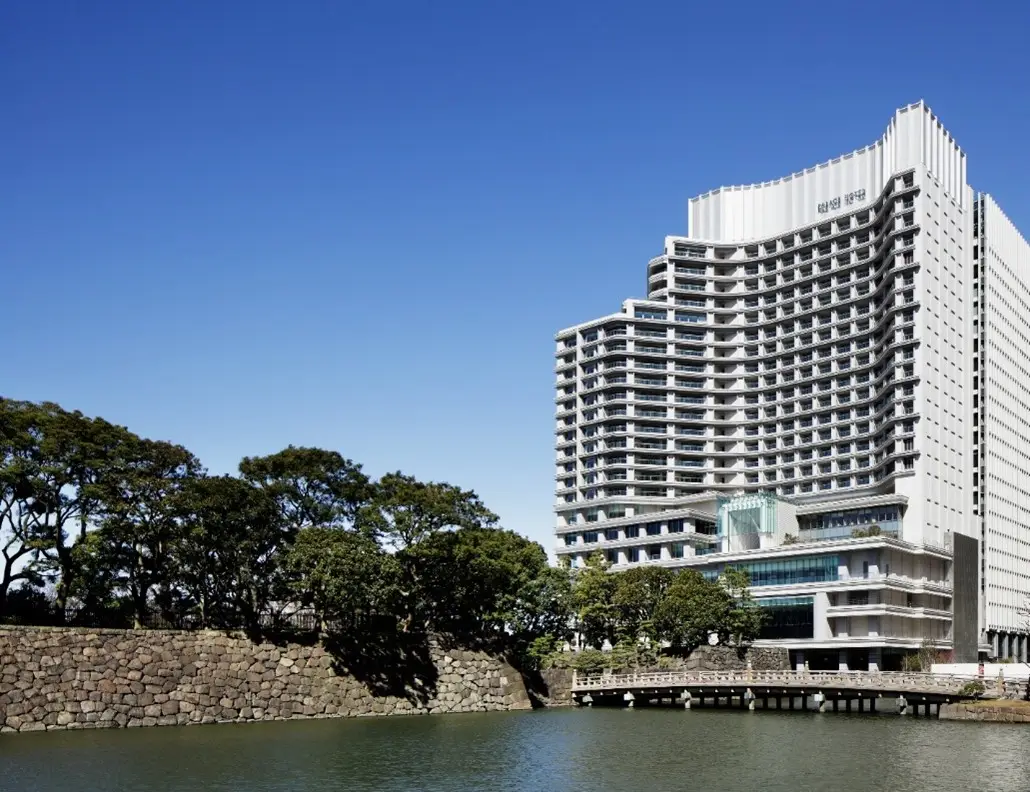
Among the 3 Keys, the answer presented by Palace Hotel Tokyo is clear: to present the heart of the city through restraint and tranquility. This stance is particularly meaningful for guests who value the quality of time over ostentation.
The Pinnacle of Japan's Independent Hotels
While foreign mega-brands strengthen their domestic presence backed by global networks, Palace Hotel Tokyo has steadfastly upheld its dedication as a domestic, independent establishment. What is valued here is not merely its Japanese ownership. Its independence fosters swift decision-making and consistency, which crystallizes into an unwavering sense of stability during stays. Staff are meticulous, yet they never seem to be trying to appear so. Information arrives when needed, and excessive words never disrupt the rhythm of your stay. This mastery of timing and space is the very essence of hospitality that Japan proudly presents to the world.
Design Philosophy: Reclaiming Breath in the City
The balcony in guest rooms embodies Palace Hotel Tokyo's defining detail. In an era during which sealing windows and creating self-contained artificial environments is the rational choice for skyscraper hotels, Palace Hotel Tokyo deliberately chooses to invite the outside air in.
Guests are encouraged to step out onto the balcony in the early morning to enjoy the scent of earth and greenery rising from the Imperial Palace garden that flows in with the cool air. Rather than a display of luxury, this is an extremely sincere design philosophy prioritizing the ease of breathing that humans inherently seek in urban life. The historic stone walls and moats that remain on the former grounds of Edo Castle hold the wisdom of centuries, offering relief from trivial anxieties.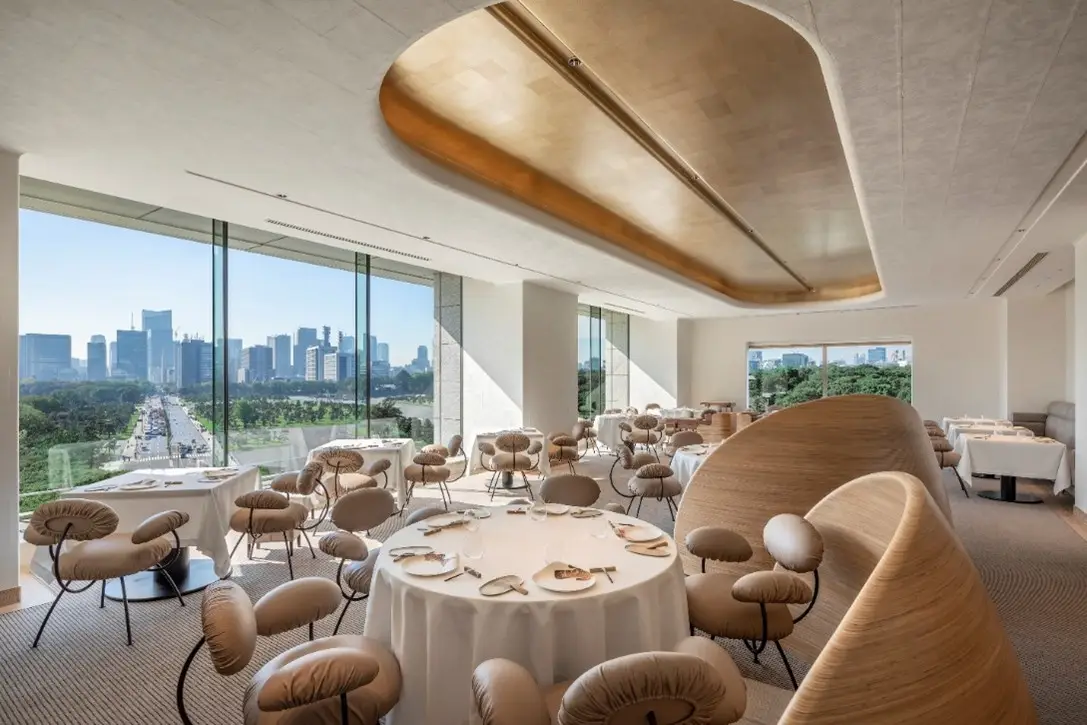
The Merging of Gastronomy and Terroir
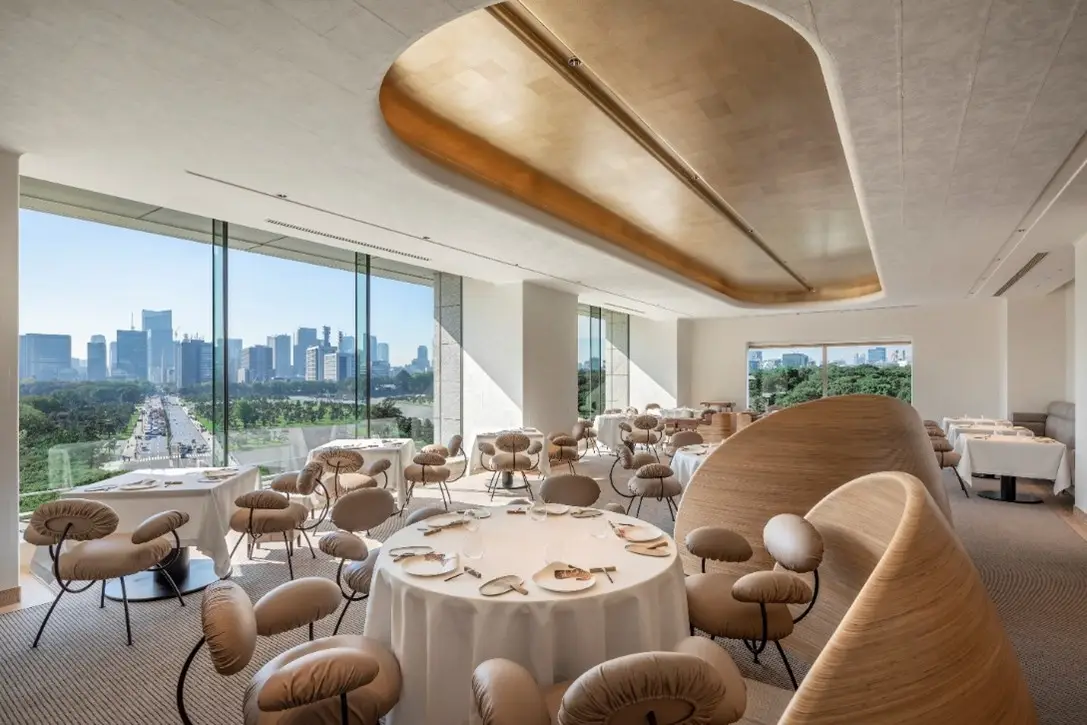
The culinary experience also deeply resonates with the hotel's philosophy. The philosophy of "naturalité" (natural essence) championed by chef Alain Ducasse runs through the fine dining restaurant of Palace Hotel Tokyo, Esterre by Alain Ducasse. This is not about chasing culinary trends or taste, but rather about reconstructing Japan's rich terroir (environment) on the plate. The sincere commitment to the stories behind ingredients and their traceability fosters deep trust among discerning guests in a time when local sourcing and environmental consideration are no longer mere expressions of goodwill but are practiced as the very essence of luxury.
02. Bvlgari Hotel Tokyo
The Ultimate Sense of Ownership from a High Jeweler, and an Immersive Spatial Experience
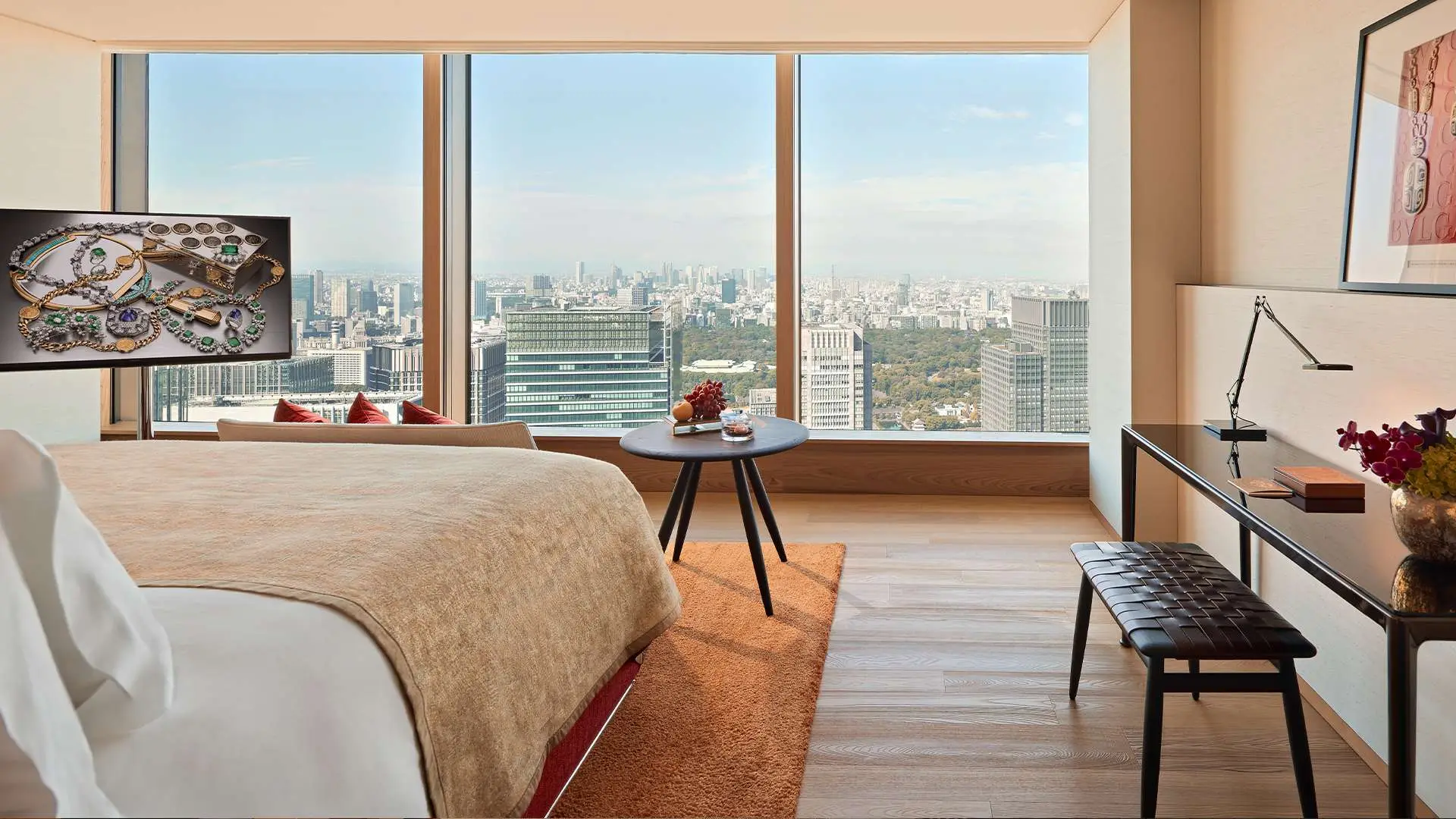
If the Palace Hotel Tokyo is a place that refines the city with restraint and tranquility, the answer to luxury presented by Bvlgari Hotel Tokyo is a sense of ownership and texture. Here, luxury focuses less on quiet recovery time and more on the space itself, elevating guests' spirits and sustaining their elation throughout their stay.
"Habitable Jewelry" that Only a High Jeweler Can Achieve
Bvlgari's strength lies not merely in its hotel management skills, but in the breadth of its aesthetic sensibility, honed over 140 years. Just as cutting, polishing, and setting gemstones illustrates their value, Bvlgari Hotel Tokyo expands this concept to the scale of architecture and interiors.
Guests receive more than mere comfort during their stay, experiencing that unique sense of elation and privilege, identical to wearing Bvlgari jewelry. The feeling of being completely enveloped by the brand's aesthetic sensibility directly translates into a satisfaction akin to ownership.
Unified Texture Creates Memories that Last
What leaves a lasting impression inside the hotel is closer to tactile sensation than sight. The interiors, crafted by a renowned Italian architectural firm, feature generously used, meticulously selected materials: black granite, Vicenza stone, and Nishijin-ori silk.
Experiencing the warmth, weight, and subtle textures of these materials is unforgettable. Bvlgari firmly anchors the memory of the stay within the guest's body through the thorough unification of these textures, setting it apart from others. This is a design that conveys the brand ethos through physical sensation rather than words, something not easily replicated by other brands.
The Pinnacle of Exclusivity
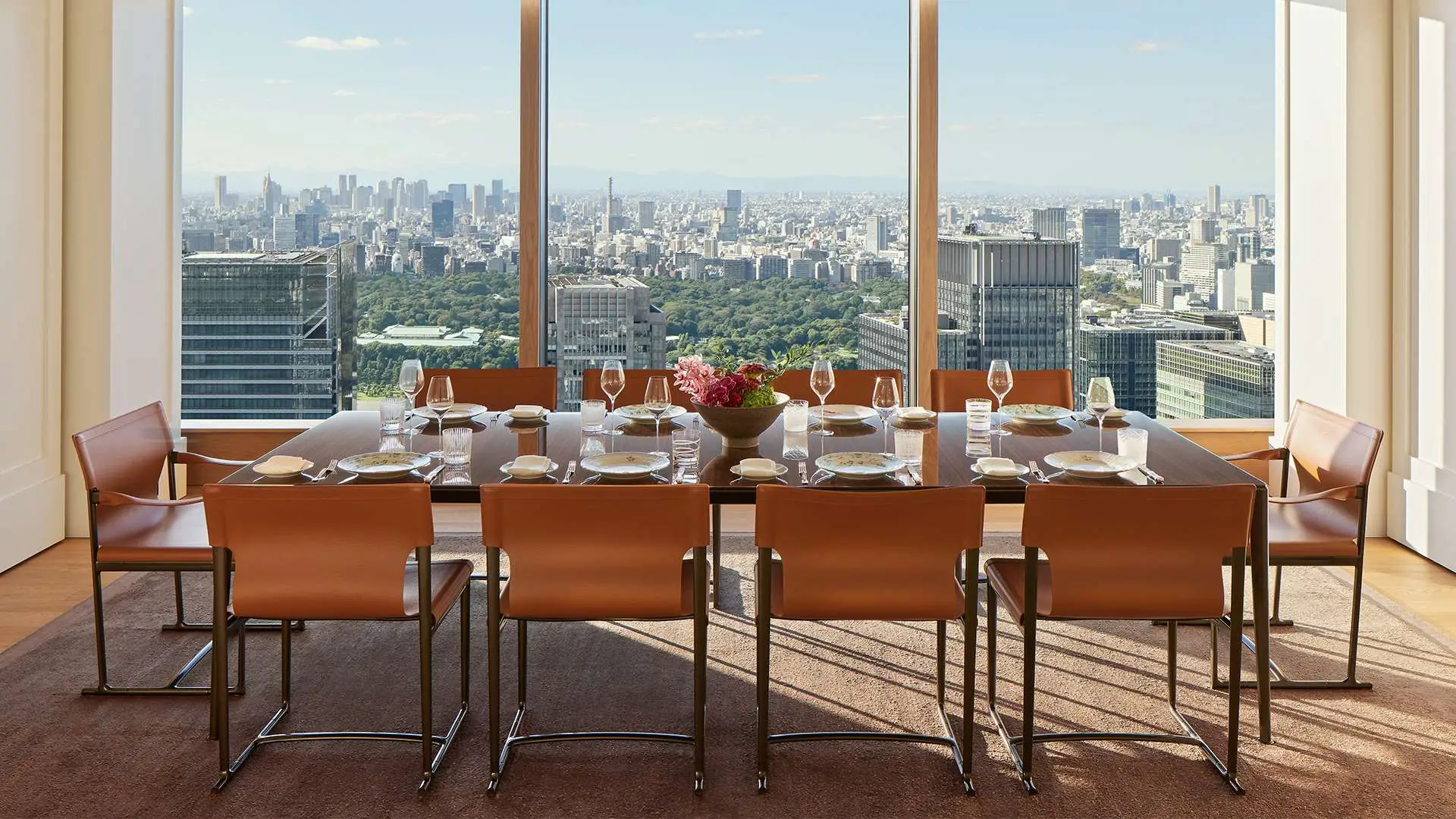
Here, hospitality does not feel overly intimate. Rather, space is treated generously, preserving guests' freedom while being perfectly supported by staff. Its status as a "sanctuary" enjoyed by a select few guests is notable, allowing visitors to be fully aware of where they are at that moment, a feeling that directly connects to a sense of contentment.
Looking out from the top-floor "The Bvlgari Bar," one can see how the shimmering nightscape conceals the shadows of the Imperial Palace. It offers a captivating view of Tokyo's urban expression at its most beautiful, filtered through the jeweled lens of Bvlgari. What the 3 Keys demonstrate is the fact that Tokyo has perfected its form as a world-class city of exhilaration.
03. Four Seasons Hotel Tokyo at Otemachi
Jean-Michel Gathy's Social Hub in the Skyline
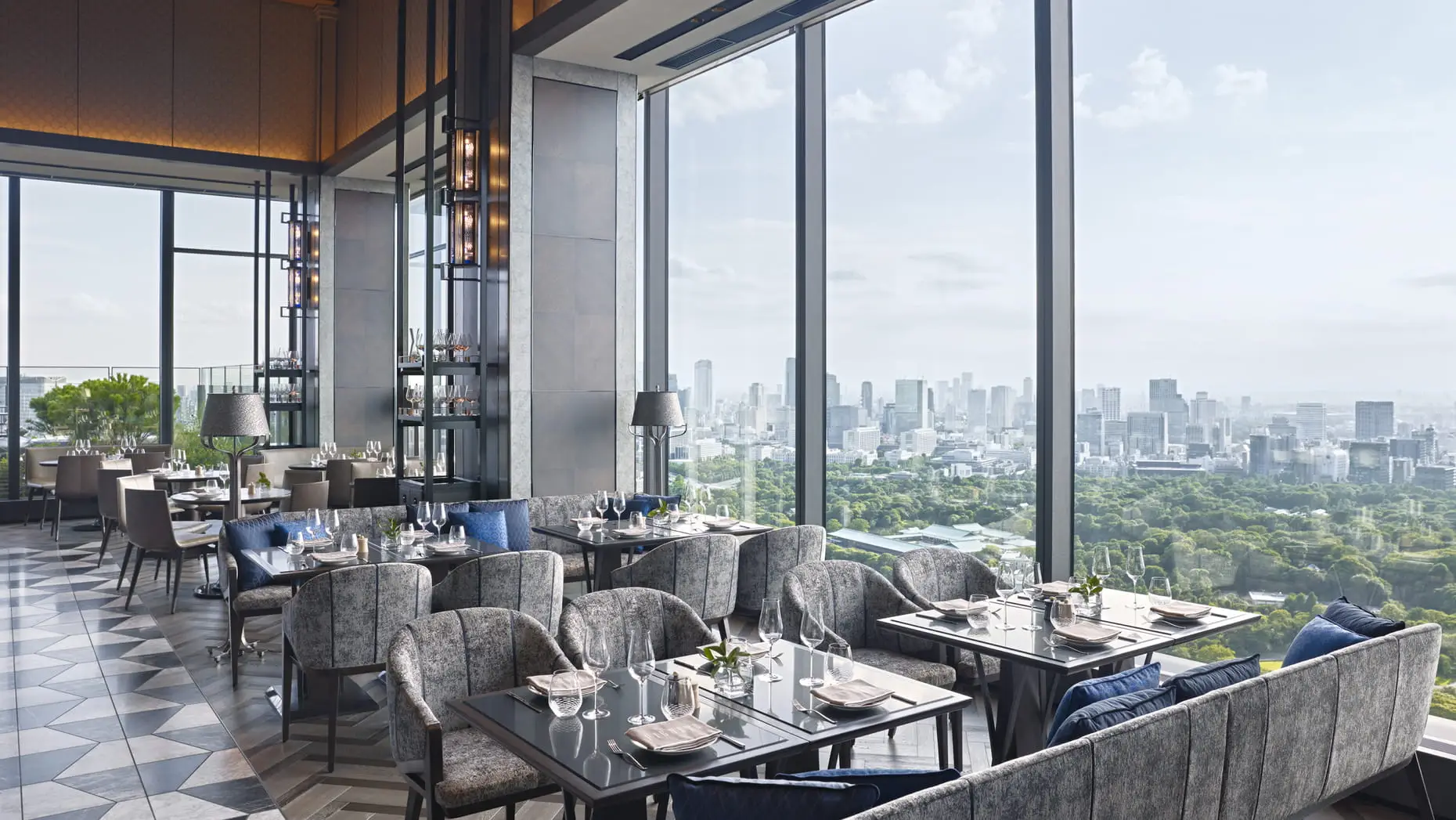
The third answer, presented by the Four Seasons Hotel Tokyo at Otemachi, is to transform the city's energy into vitality.
A "Palace on the Water" by the Magician of Space
The essence of this hotel lies in its bold yet meticulously crafted spatial design by world-renowned architect Jean-Michel Gathy. The moment you enter the lobby, your gaze is drawn through a water feature motif toward the greenery of the Imperial Palace - a carefully calculated composition, woven together by symmetry and dramatic presentation, that instantly transports visitors into the extraordinary.
Water and light. The immersive experience created by the interplay of these elements serves as an exquisitely refined stage for spiritual wellness, where today's busiest guests can rediscover their authentic selves.
The Energy of Social Interaction and "Affirmation of the City"
The true essence of the Four Seasons lies in its unparalleled curation that transforms the hotel into a social hub. The Italian dining venue "PIGNETO" has become a vibrant addition to Tokyo's luxury scene, infusing it with a sense of openness and glamour.
Feel the breeze and let conversation flow with the sunset in the background. The exchanges started here don't end within the hotel walls; they flow seamlessly into the next action and idea. The Four Seasons offers a restful stay, but more than that, a dynamism that echoes the pulse of Tokyo itself, transforming energy into the very allure of the stay.
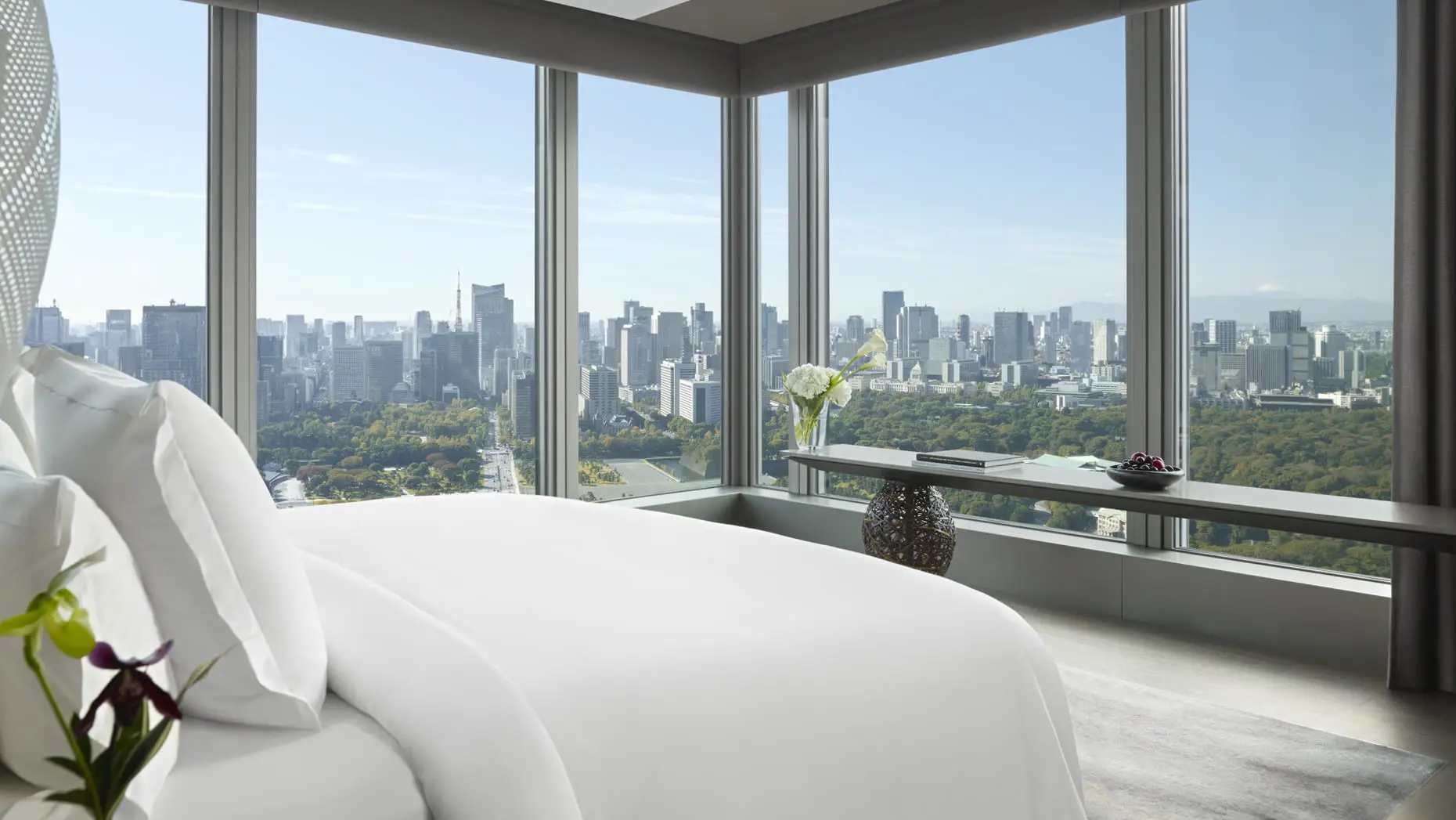
Service as a Supporting Role: Improvisation and Judgment
When it comes to service, technology remains in a supporting role. What is required here, more than precision and textbook responses, is the improvisation and judgment of on-site staff. They must offer subtle yet memorable suggestions in response to sudden schedule changes or shifts in preferences. This deeply human, personalized touch is the true strength underpinning the trust in this global brand, solidifying its 3 Keys honor.
Summary: The Power of the Keys Revealed by Tokyo - Space, Individuality, and Translation
Finally, while surveying this industry often bound by past successes, a clarification of the true meaning revealed by the Michelin Guide becomes necessary.
First, moving forward, the greatest asset for the luxury sector is "space." How can the tranquility of the Imperial Palace in the heart of the city be transformed into value for a fantastic stay? The hotel that answers this question will lead the next generation of hotels.
Second, luxury has shifted toward embracing the individual. Some guests seek tranquility, others seek exhilaration. Just as the 3 Key locations offered distinct answers, Tokyo has evolved into a mature city capable of simultaneously accommodating diverse desires.
Third, the most crucial element is whether hotels can "translate" their value. This can mean reinterpreting tradition within a contemporary context, blending foreign sophistication with Japanese restraint, and mastering technology while dedicating every moment to those uniquely human interactions. This on-site "translation" is a powerful way in which Japanese hospitality engages with the world.
Additionally, sustainability and traceability are no longer mere slogans, but the very essence of the integrity of luxury. Where ingredients come from, how they coexist with local communities - having answers to these questions builds true trust with guests.
In 2025, Tokyo's hotels came to life. Three keys unlock three distinct doors. When you plan your next journey, hotels should be more than simply lodging - they should be the finest "editing points" that define the quality of your life's moments.
KEYWORD