










WHERE HISTORY LIVES ON: TOURING TOKYO'S HISTORIC ARCHITECTURE
As glass skyscrapers rise above centuries-old temples and wooden houses, Tokyo's contradictions are visible everywhere. In the Nihonbashi area, the two sites introduced here are within easy walking distance, and exploring them with an architecture expert offers a clear way to understand the city's logic.


Guided by experts from Takenaka Corporation, one of the Japan's oldest architectural and engineering firms founded in 1610, they will guide you through spaces that reveal how ideas take physical form, revealing ways to understand the thinking behind them. Specifically, you will see how a chief priest's philosophy transitions into concrete and steel at Suitengu Shrine, and how Japanese aesthetics translate into the thickness of a wooden pillar at Hamadaya.
Suitengu Shrine: Modern Solutions for Sacred Spaces
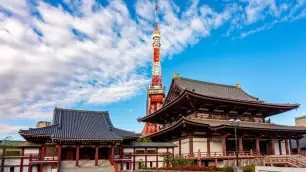
Since the Edo period (1603-1867), Suitengu Shrine has been a spiritual anchor for expectant mothers and families in central Tokyo, widely known throughout Japan as a place to pray for safe childbirth. Sitting in the middle of one of the world's busiest cities, it welcomes thousands of worshippers who are particularly vulnerable members of society like pregnant women, elderly visitors, and children, demanding extra accessible designs that would challenge any architect.
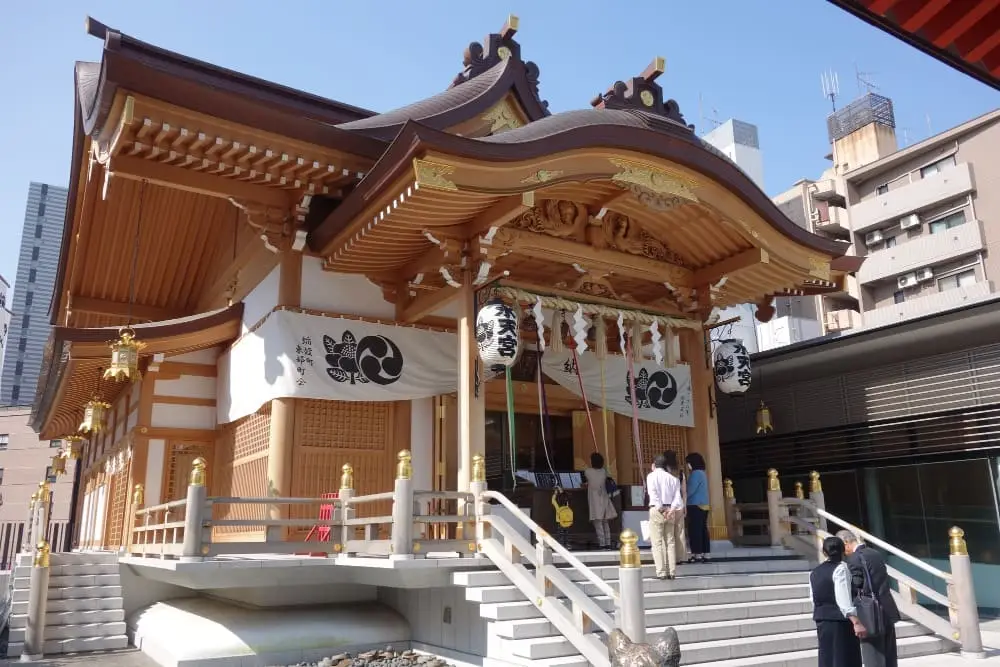
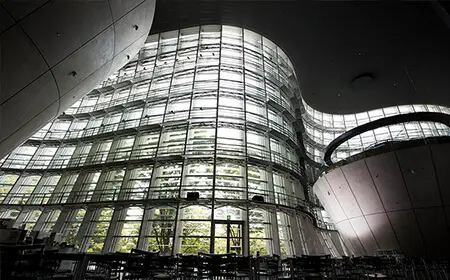
After surviving several disasters, the shrine underwent a comprehensive, strikingly modern renovation in 2016. When you enter the shrine, the expansive interior feels unexpectedly open and secure, a quality made possible by architectural ingenuity you can't see with the naked eye. Indeed, the architects at Takenaka Corporation implemented seismic isolation technology, reinforced concrete construction, and universal design principles, which aren't typical choices for shrine architecture.
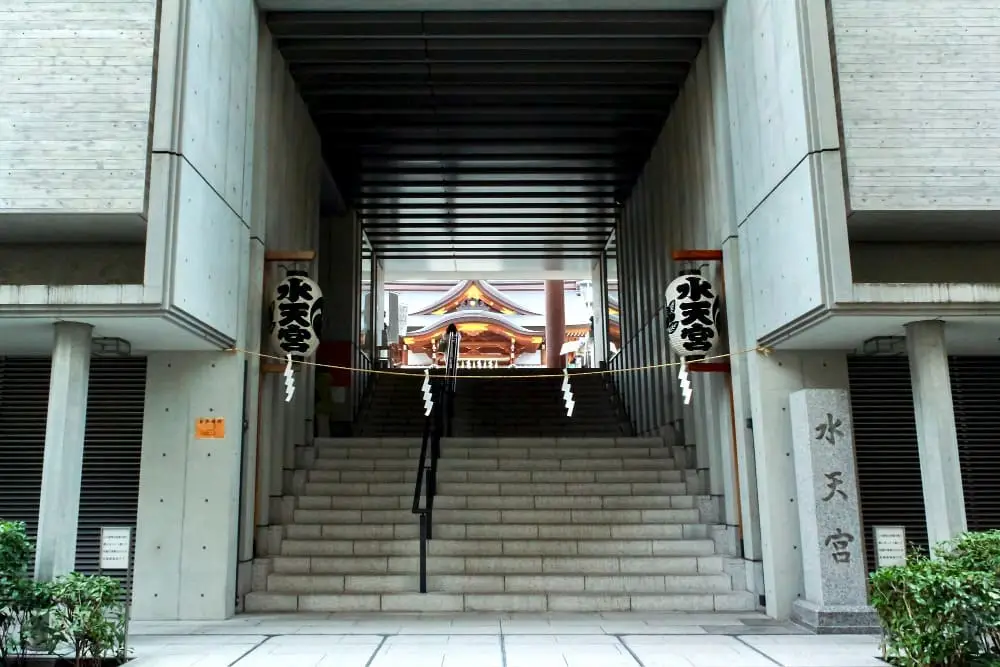
The design came from a single guiding philosophy. As the previous chief priest once outlined, "We want to continue saving as many people as possible." The building needed to withstand a major earthquake, remain standing, and serve as a gathering place for the community during disasters. It is designed to function not only as a religious facility, but also as an emergency urban infrastructure.
What makes this experience unique isn't the completed building; it's about hearing directly from Takenaka's designers about how they translated the chief priest's thoughts into architecture. They explain how modern technology made certain traditional elements possible. For instance, because they could make the rebar thinner with current engineering, the pillars could preserve their wooden outer appearance. The harmony between the concrete structure and the historical shrine comes from structural ingenuity, not compromise.
Hamadaya: The Art of Restrained Beauty
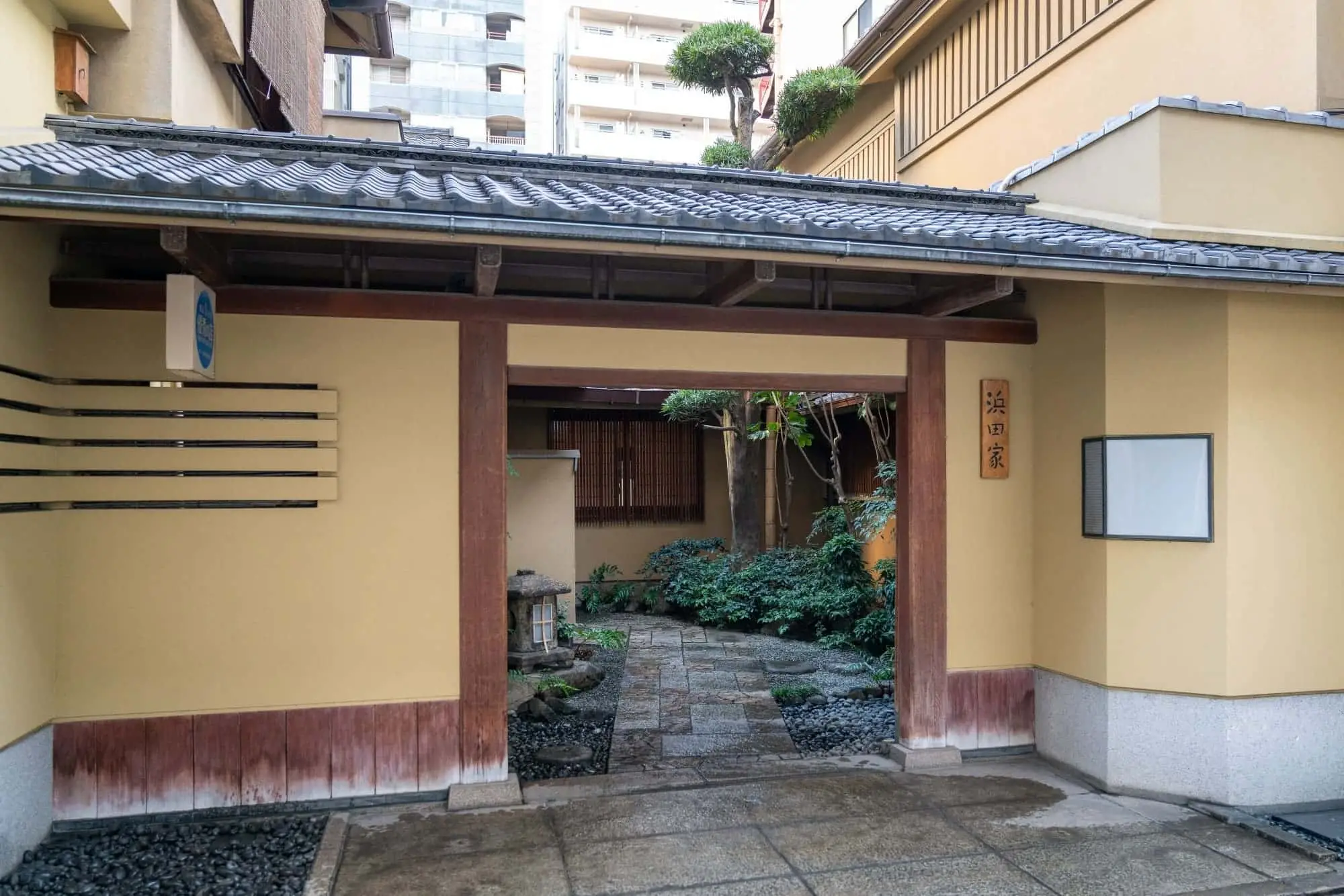
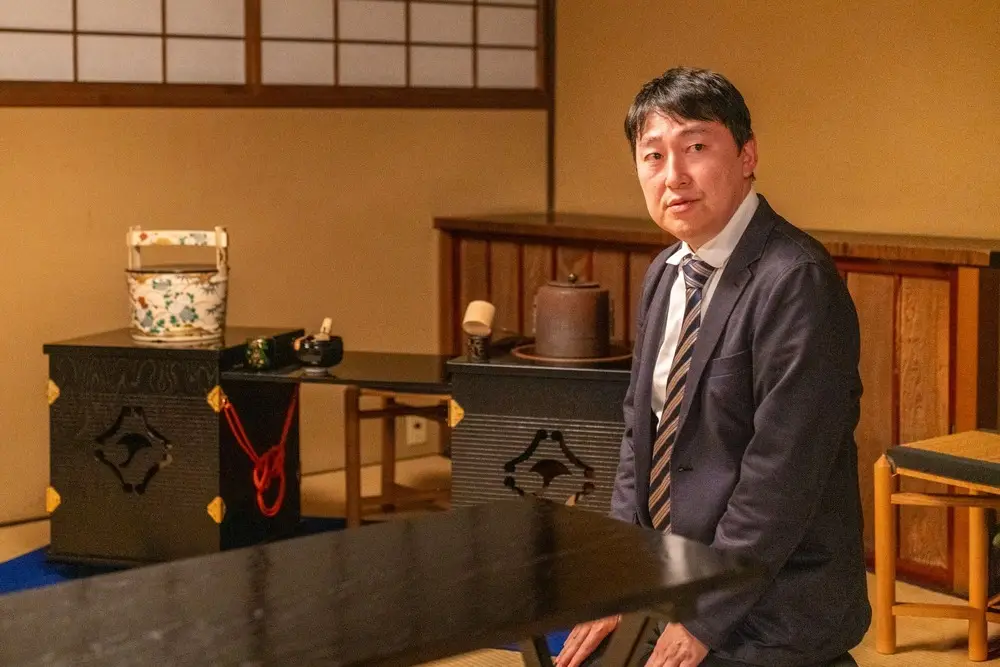
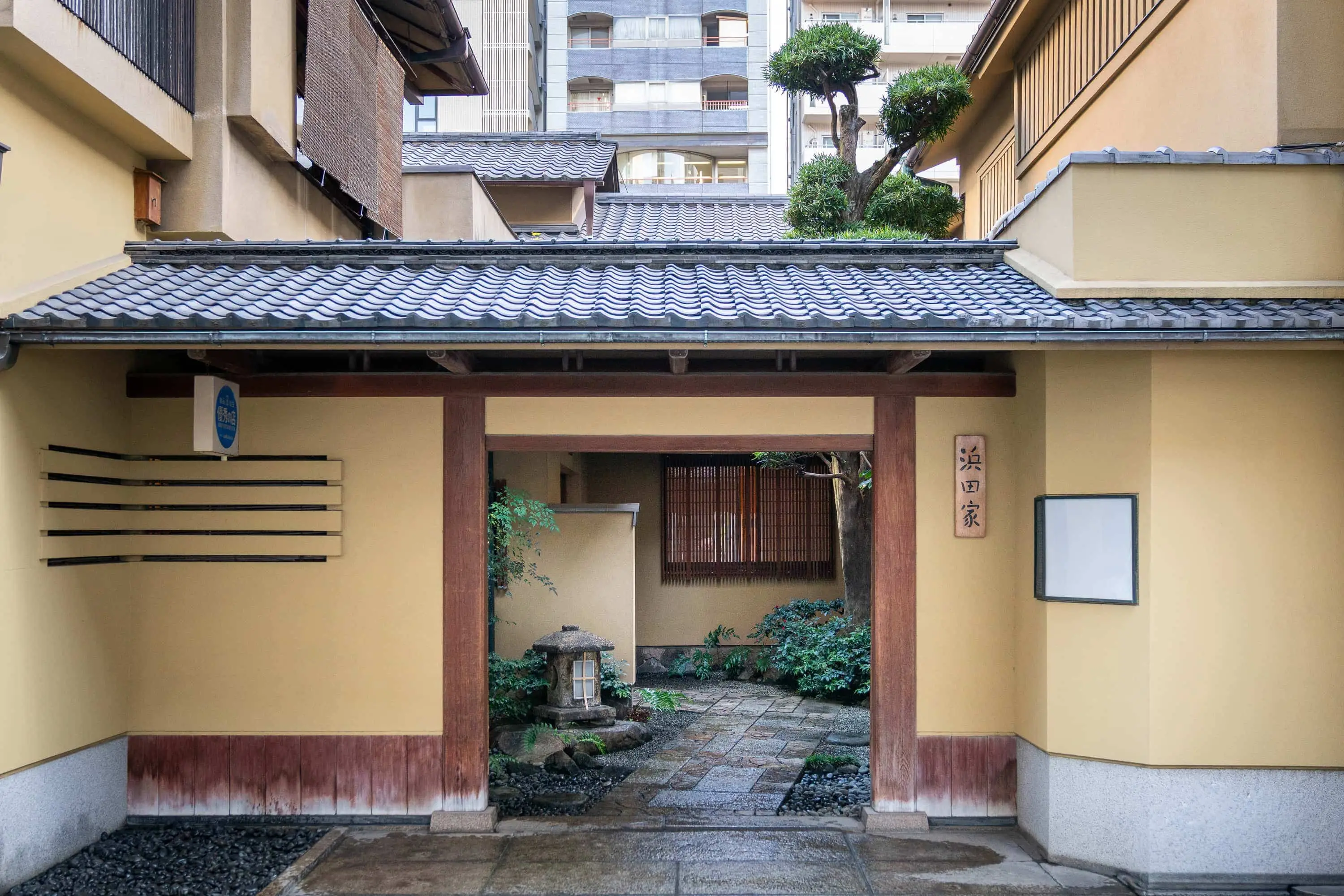
Hamadaya is a traditional Japanese restaurant located in the Nihonbashi district of Tokyo, that has operated since the Taisho era (1912–1926). It serves kaiseki cuisine in one of Tokyo's few remaining sukiya-style buildings—an architectural form that represents the Japanese spirit in its most refined expression. Rebuilt shortly after World War II, the structure itself embodies this quiet elegance. When you step inside, the low ceilings and measured proportions immediately change your awareness of space and movement, with the design reaching its completed form when viewed from a seated position.
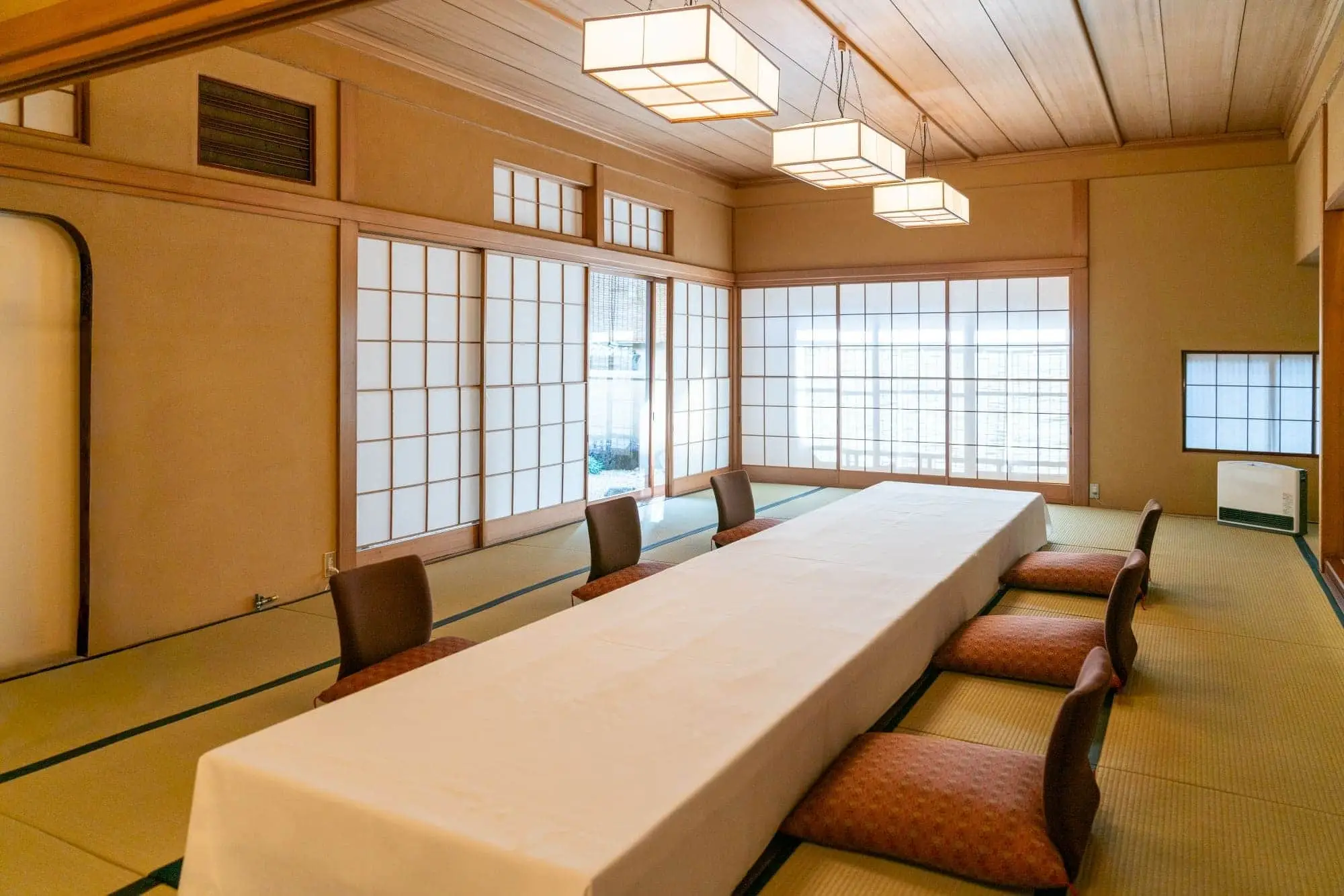
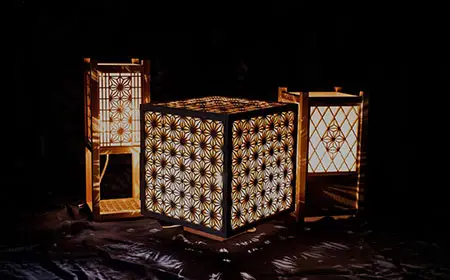
As you travel through the space, a timber construction expert from Takenaka Corporation explains the philosophy and structure behind the building, drawing your attention to subtle design elements that might otherwise go unnoticed and helping you gain a deeper appreciation of this architectural masterpiece. Sukiya-style architecture originated from tea ceremony culture, rejecting ostentation to find beauty in simple forms. The tatami floor also appears most beautiful from a seated position, where you can notice the warmth of wood and the faint scent of tatami filling the room. The 'juraku-style' plaster walls reveal the aesthetic potential of shifting shadows, and the shoji screens and garden draw your gaze naturally outward.
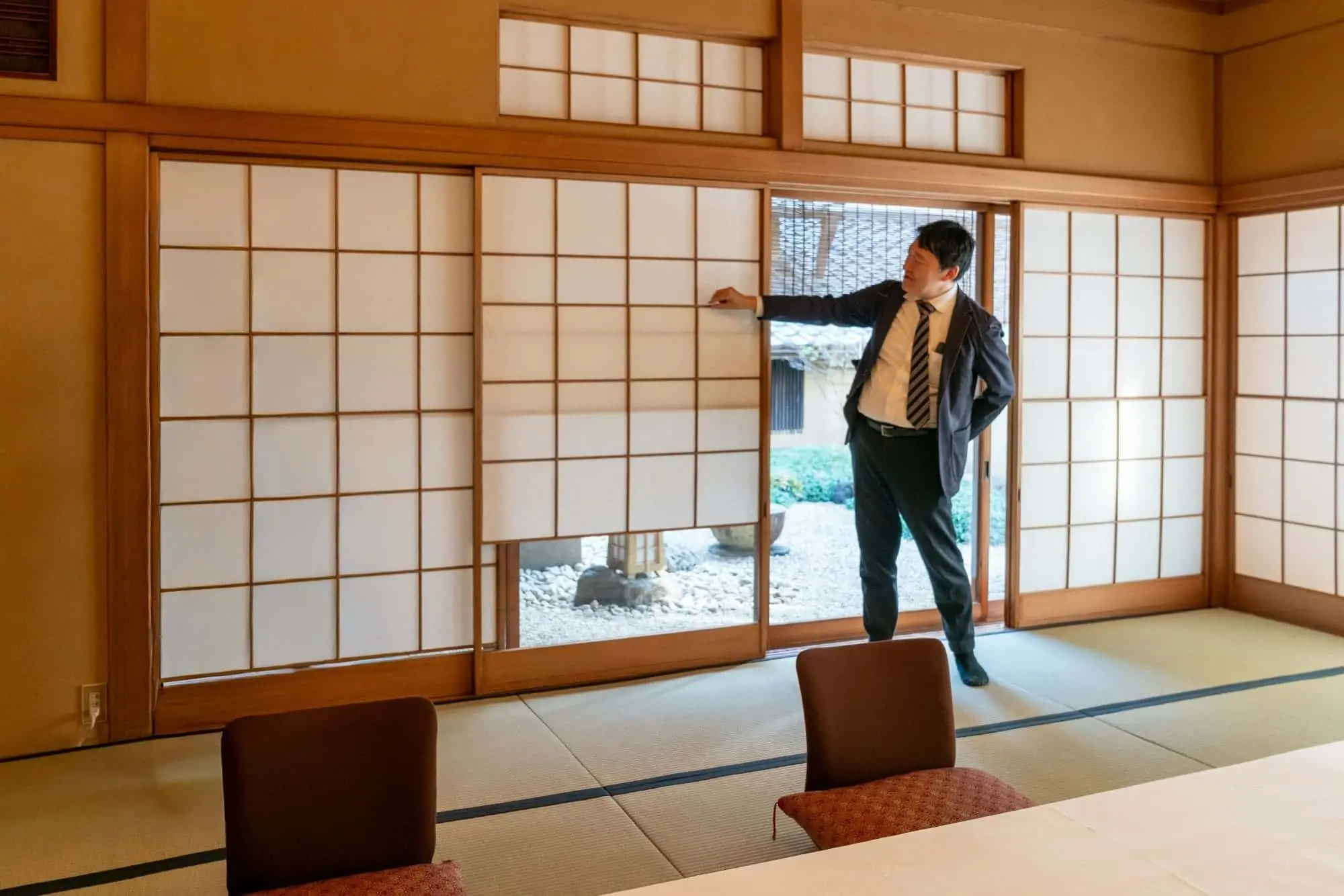
The design choices are intentional: pillars vary slightly in thickness, and wood grain and knots remain visible rather than hidden. This construction method reflects a Japanese aesthetic principle that neither people nor nature need to be perfect, and the architecture accepts imperfection as a part of its beauty.
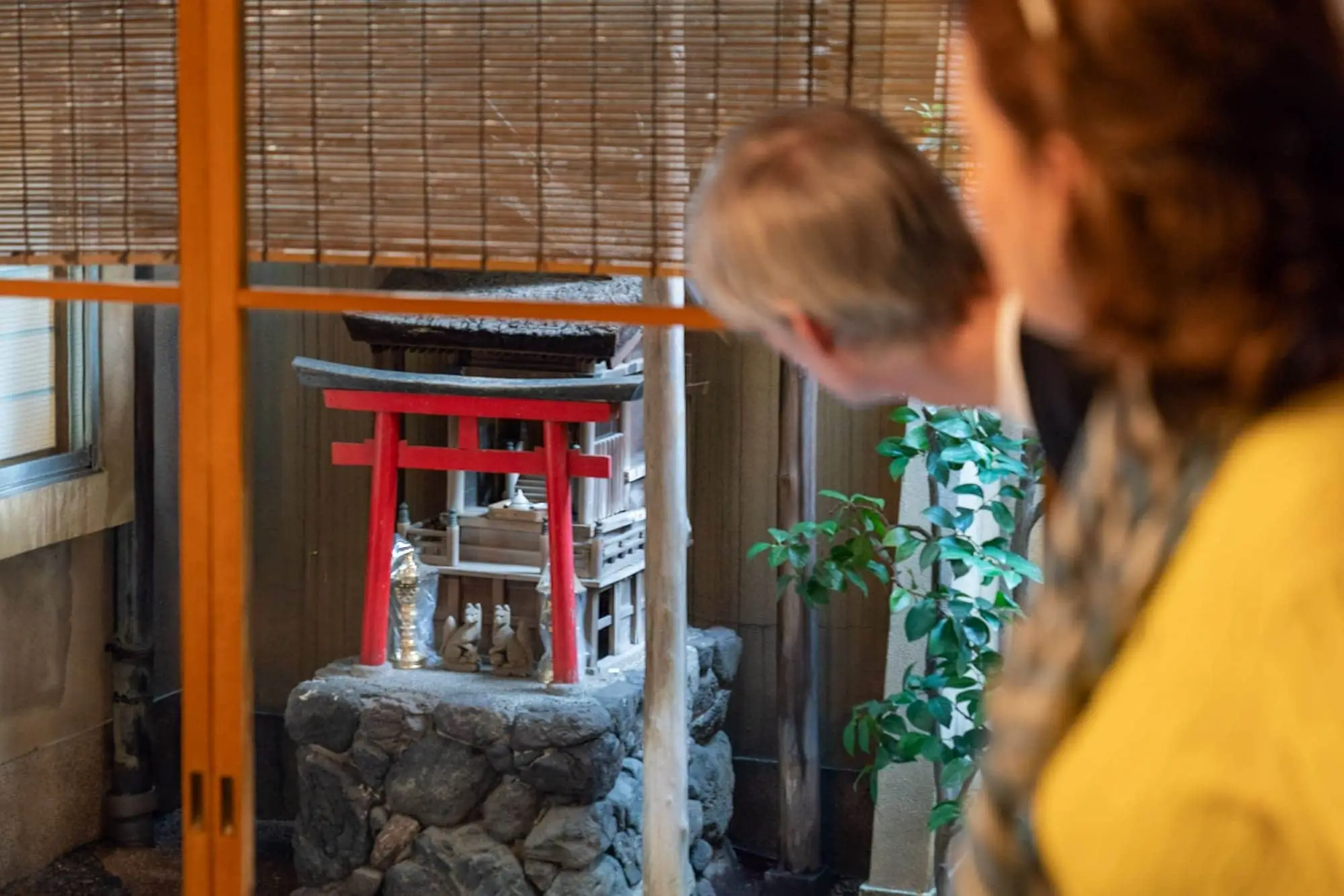
The yukimi-mado, or "snow-viewing windows," sit at seated eye level, framing a portion of the garden and allowing you to enjoy nature in a restrained way. This is 'sui,' the refined taste unique to sukiya-style architecture. As you sit down and feel the stillness, you will notice how the design works at eye level and in the negative space around you, the space itself becoming the focal point.
Understanding Tokyo Through What It Builds
Edo-period Tokyo sustained over 250 years of peace, and the spirit of that era, as well as its emphasis on neatness and sophistication, continues in Tokyo's architecture. A chief priest's wish to protect people materialized as seismic isolation technology buried beneath the shrine, and the Japanese concept of imperfect beauty translated into visible wood grain on the pillars. These were decisions made by architects who transformed ideas into physical form, and on this tour, you can see and understand exactly how it happened.
*The experience introduced in this article is a special arrangement by XPERISUS.
Please contact the email below for more information.
Contact:
XPERISUS Inc.
info@xperisus.com
KEYWORD