





ENTER A WORLD OF CALLIGRAPHY, WRAPPED IN SILENCE
Over two millennia ago, Yang Xiong wrote, "Calligraphy is the painting of the heart", and it remains one of the clearest statements on the expressive nature of writing.
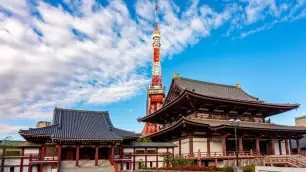
Tokyo pulses with energy. Neon signs illuminate crowded streets, trains arrive with metronomic precision, and the hum of fourteen million lives fills every corner. Yet even here, in one of the world's most dynamic cities, there exists an experience that invites visitors to step out of the relentless forward motion and turn inward.


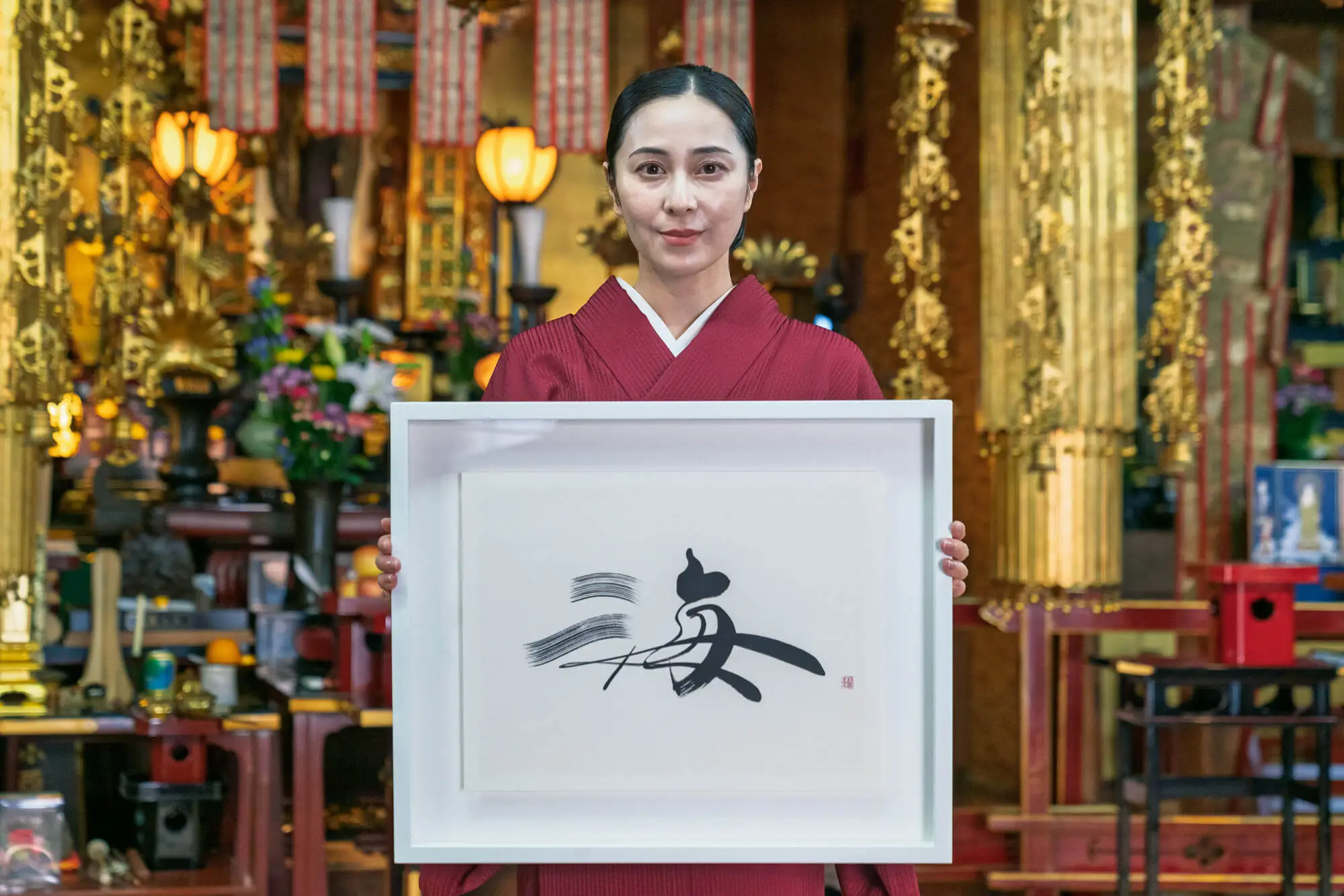
The calligraphy art experience led by Yuna Okanishi begins not with writing, but with silence. Okanishi began studying calligraphy at six years old, and over the decades, she has developed a distinctive approach that honors tradition while pushing into the realm of contemporary art. Alongside traditional scrolls, she also works with canvases and pigments, her focus lying in expressing what she calls the beauty of curved lines, and the emotions that flow through every stroke.
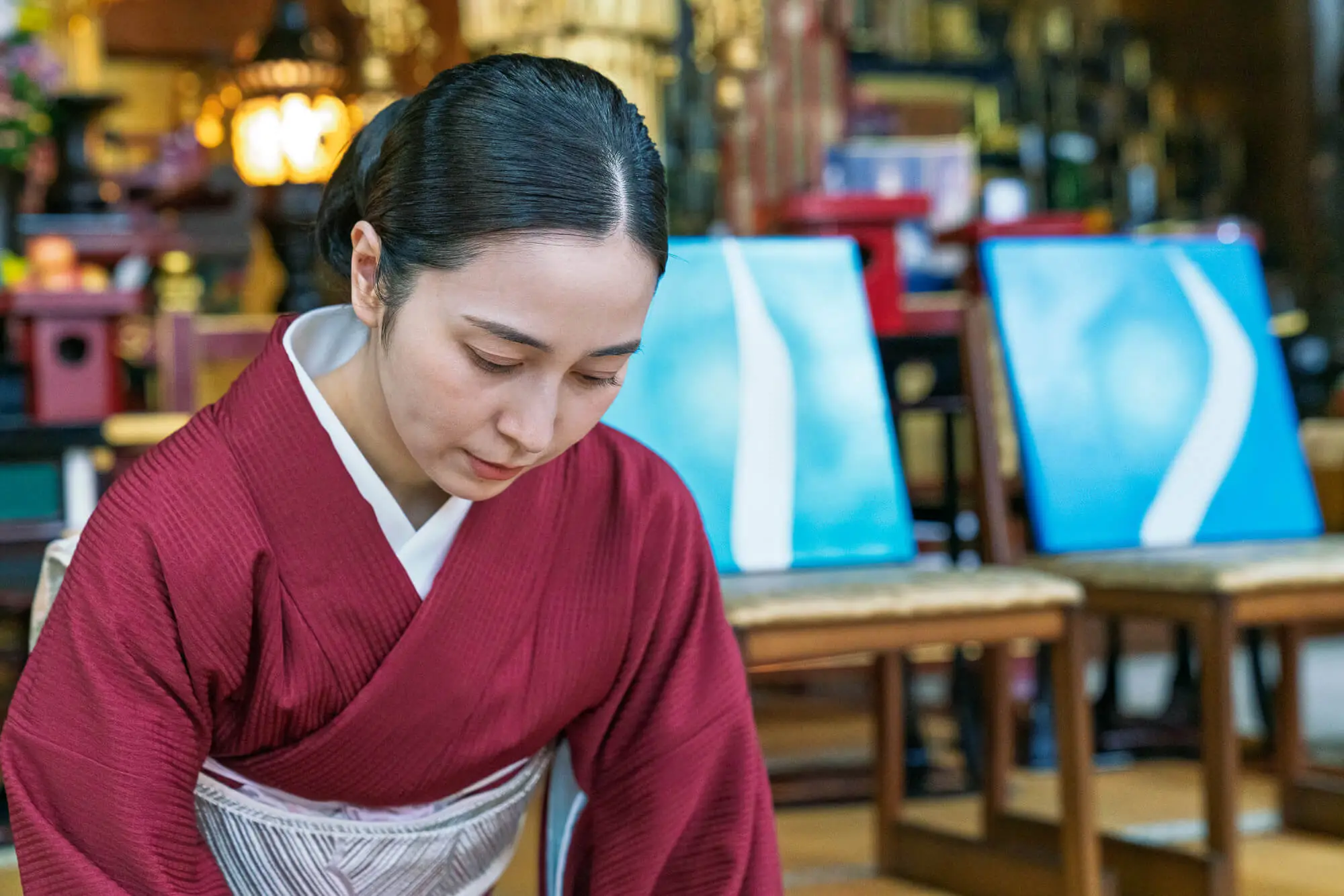
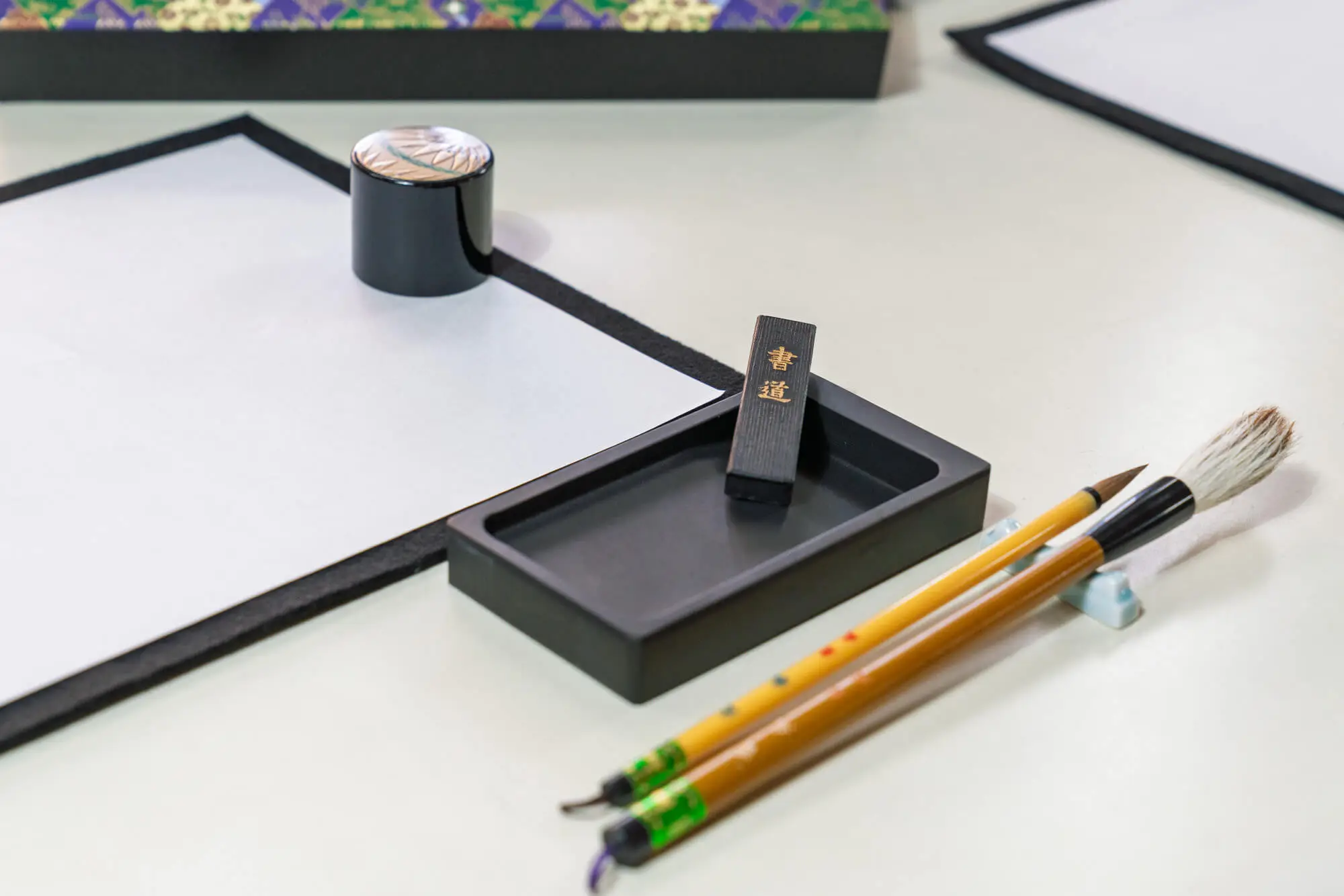
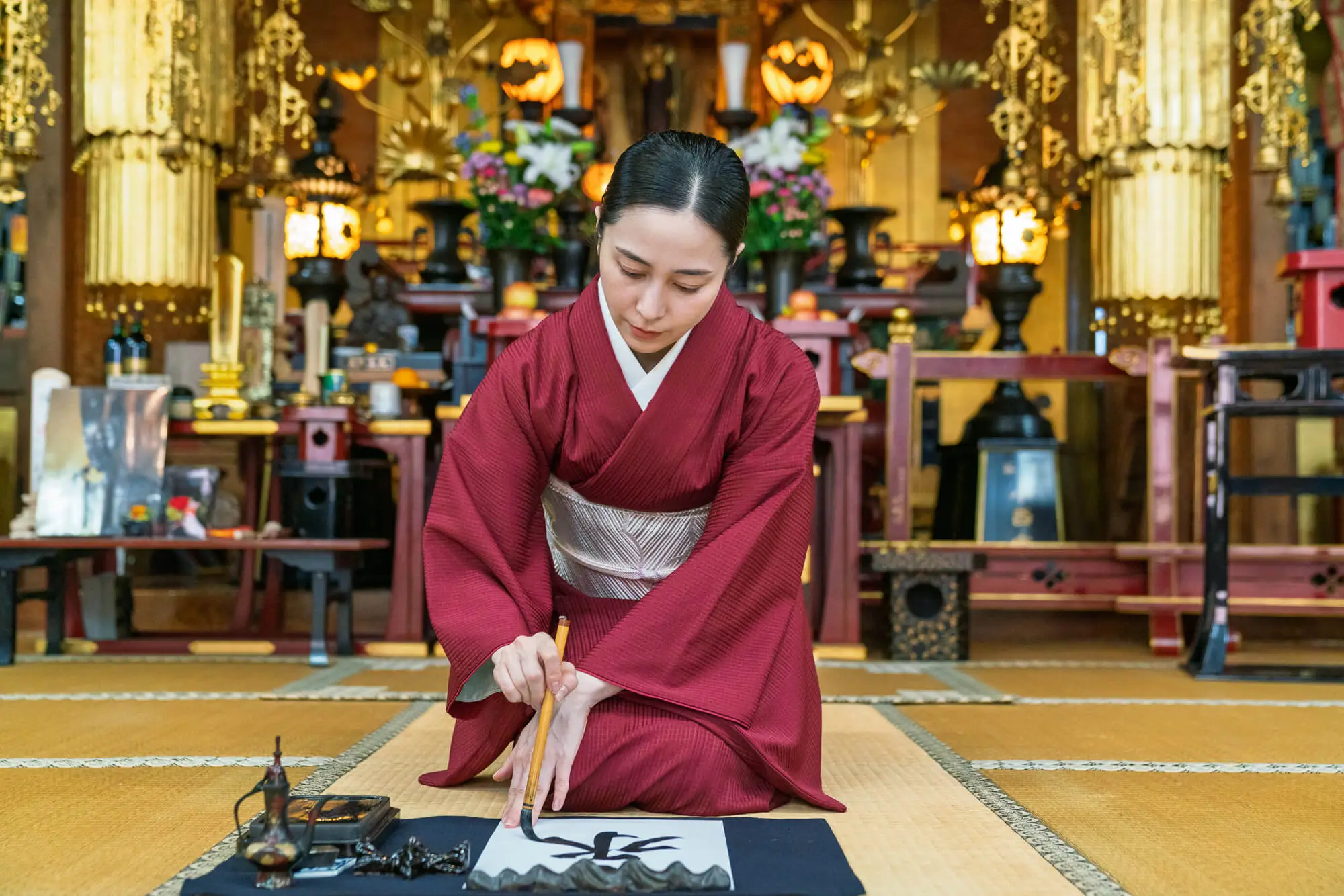
For Okanishi, the most crucial moment happens before the brush ever touches paper. Participants arrive from Tokyo's bustling streets and are guided through a process of mental preparation. The grinding of ink stick against stone produces a meditative sound, low and rhythmic, and Okanishi explains its deeper purpose. "The act of grinding ink itself is the process of focusing the mind," she says. It is the first act of calligraphy, when scattered thoughts begin to settle, and awareness sharpens.
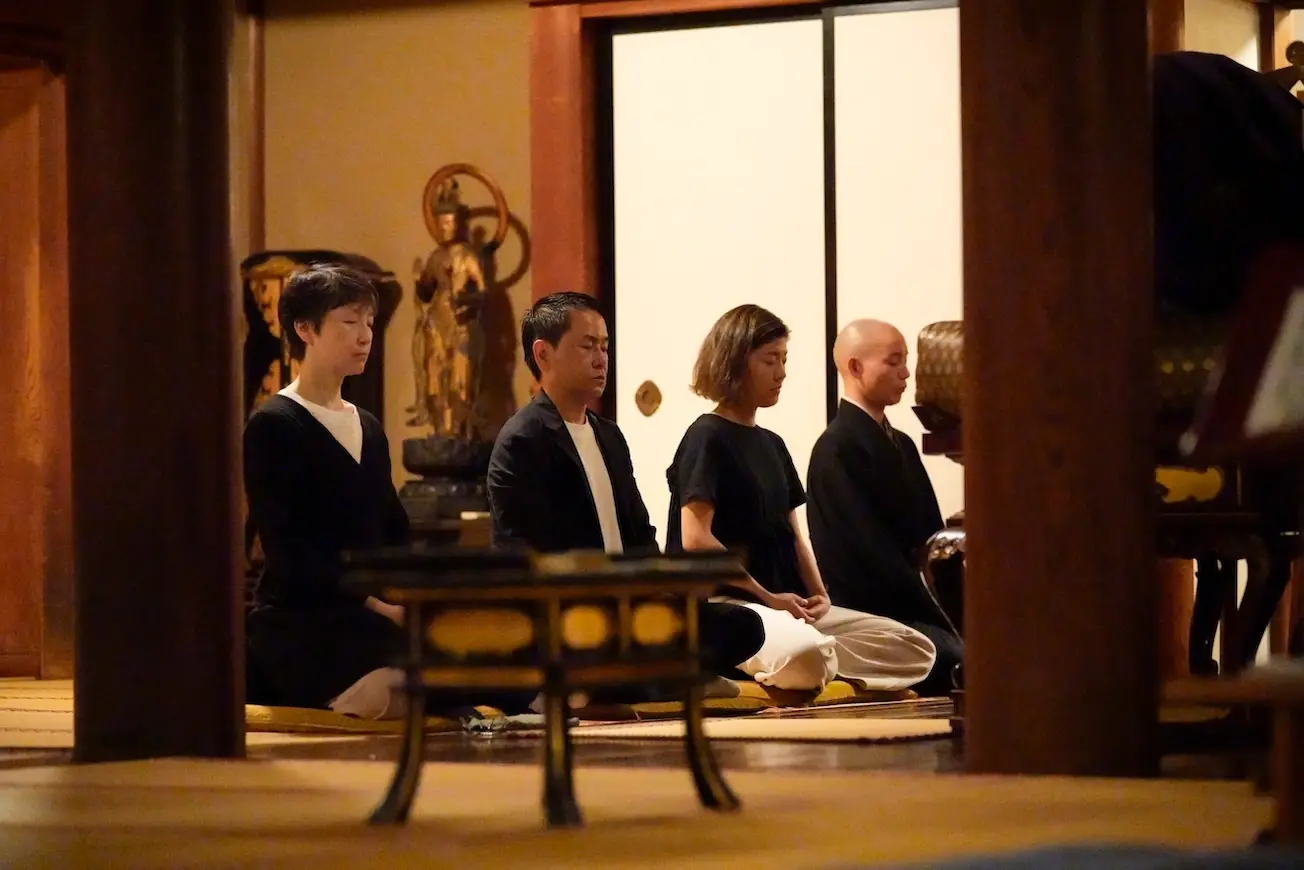
The meditation that follows continues this internal journey. Breath becomes conscious, posture is important, and in a culture that values quiet alertness as readiness, participants find themselves present in an increasingly rare way.
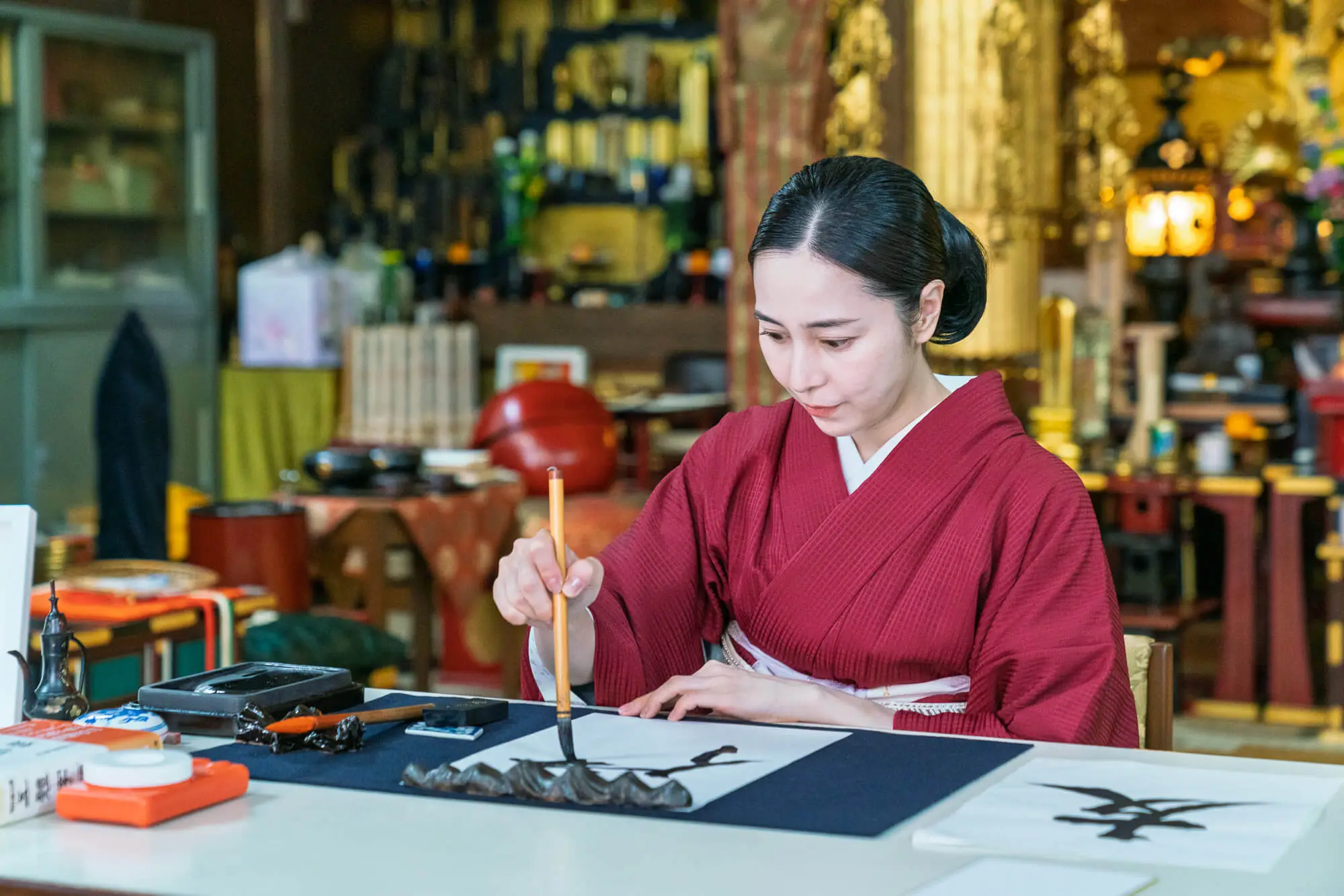
Calligraphy arrived in Japan from China over a thousand years ago. During its journey across the sea, it absorbed a distinctly Japanese aesthetic, one that values negative space, imperfection, and the visible presence of the artist's hand. Okanishi traces the origins of individual characters, explaining how ancient pictographs evolved into today's complex forms, and demonstrating the differences between the three Japanese scripts of hiragana, katakana, and kanji.
Beyond the technical aspects, calligraphy is fundamentally about emotion made visible. The force applied to the brush and the speed of a stroke emerge directly from the calligrapher's state of mind in that exact moment. As Okanishi often tells participants, "Calligraphy is not simply the act of writing characters. It is the art of projecting one's heart and emotions onto paper."
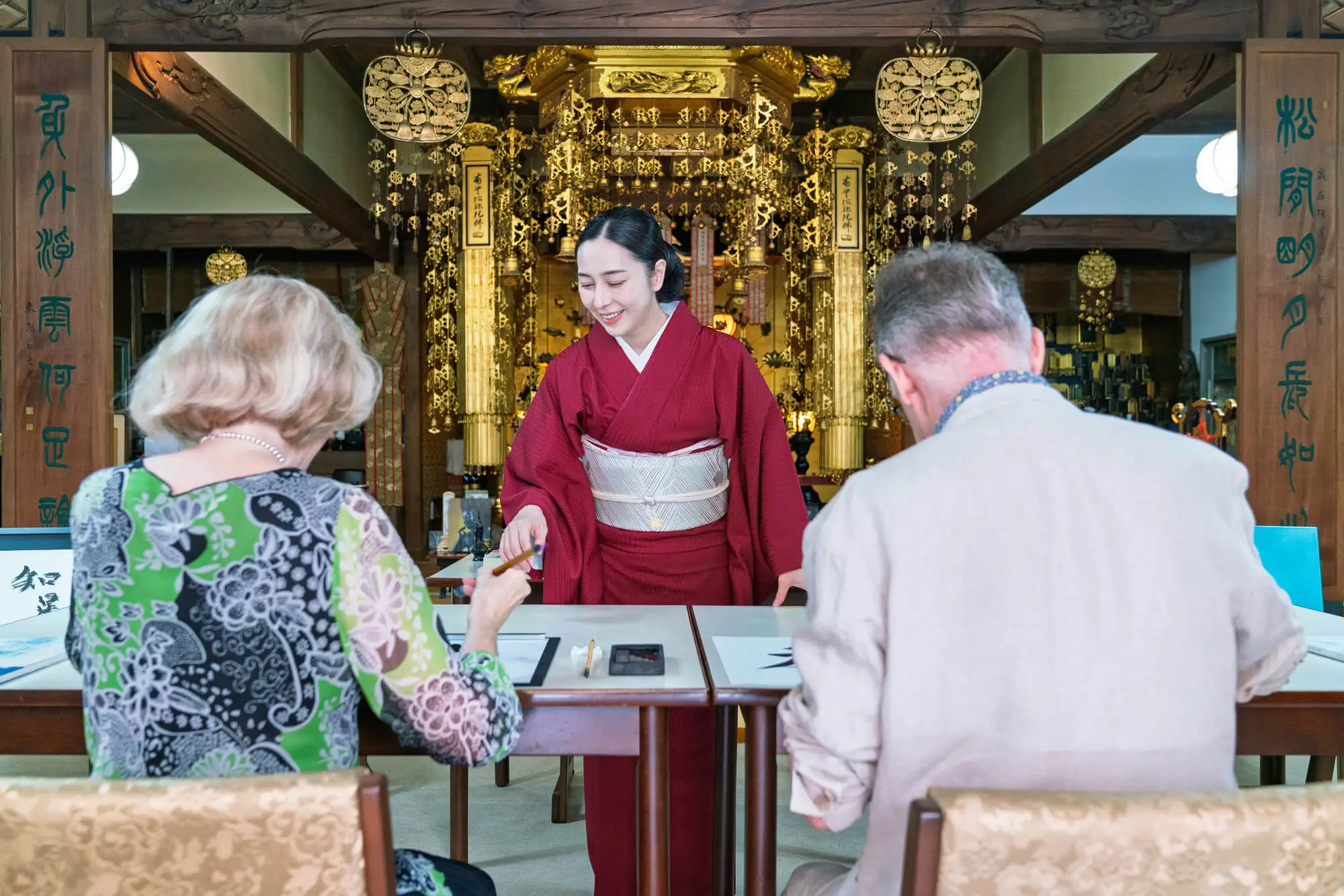
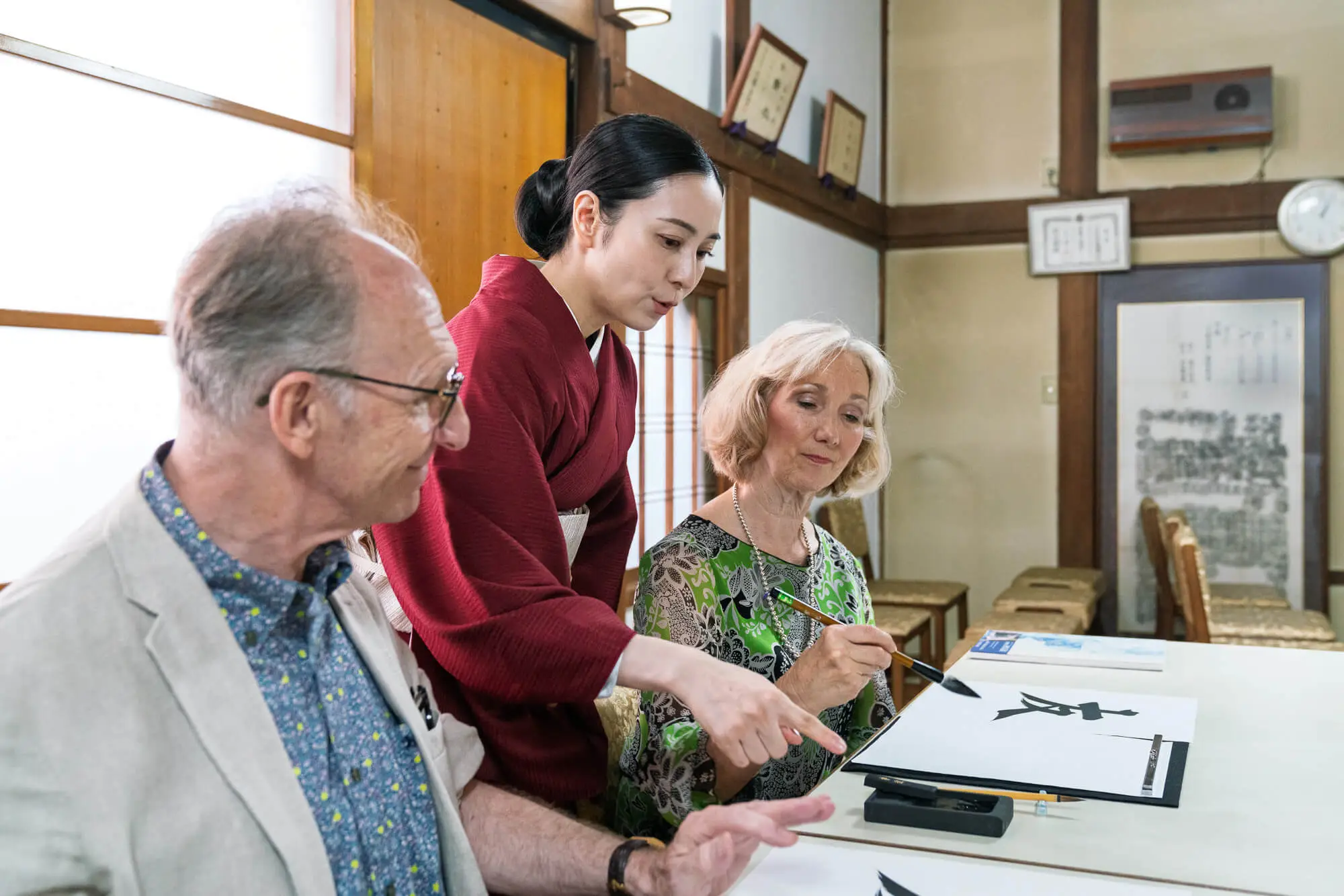
The experience unfolds in carefully considered stages. Participants are first introduced to the materials: the brush with its bamboo handle and animal hair bristles, the dense black ink, and the washi paper with its subtle texture. Okanishi then guides participants through the fundamentals of holding the brush vertically, applying pressure, and the basic strokes that form the foundation of all characters. These basics follow a structure called the "Eight Principles," the fundamental strokes that appear in different combinations throughout written Japanese.
Then comes the practice. Okanishi selects a character for the session, often something seasonal or thematically resonant, such as 友 (friend). As participants practice the character repeatedly, what begins as clumsy imitation gradually becomes more fluid. The mind stops trying to control every movement and begins to trust the hand. Some strokes emerge confident and bold, others tentative and searching, but each reveals something about the person holding the brush.
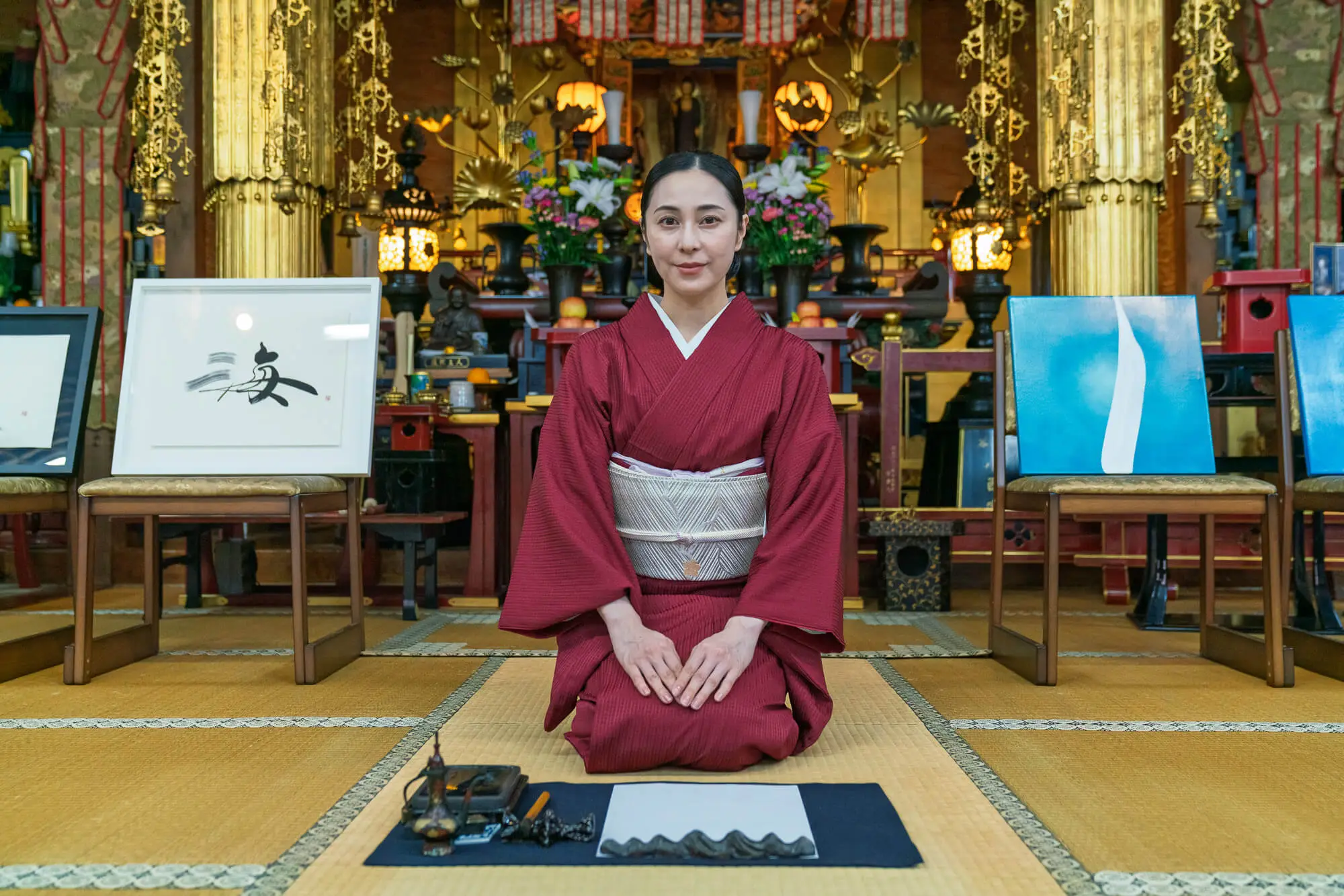
The session concludes with Okanishi demonstrating her own practice through a live performance, working quickly with graceful movements until a complete work emerges on paper or canvas. She then creates a personalized piece for each participant to take home as a reminder of what was discovered during the session.
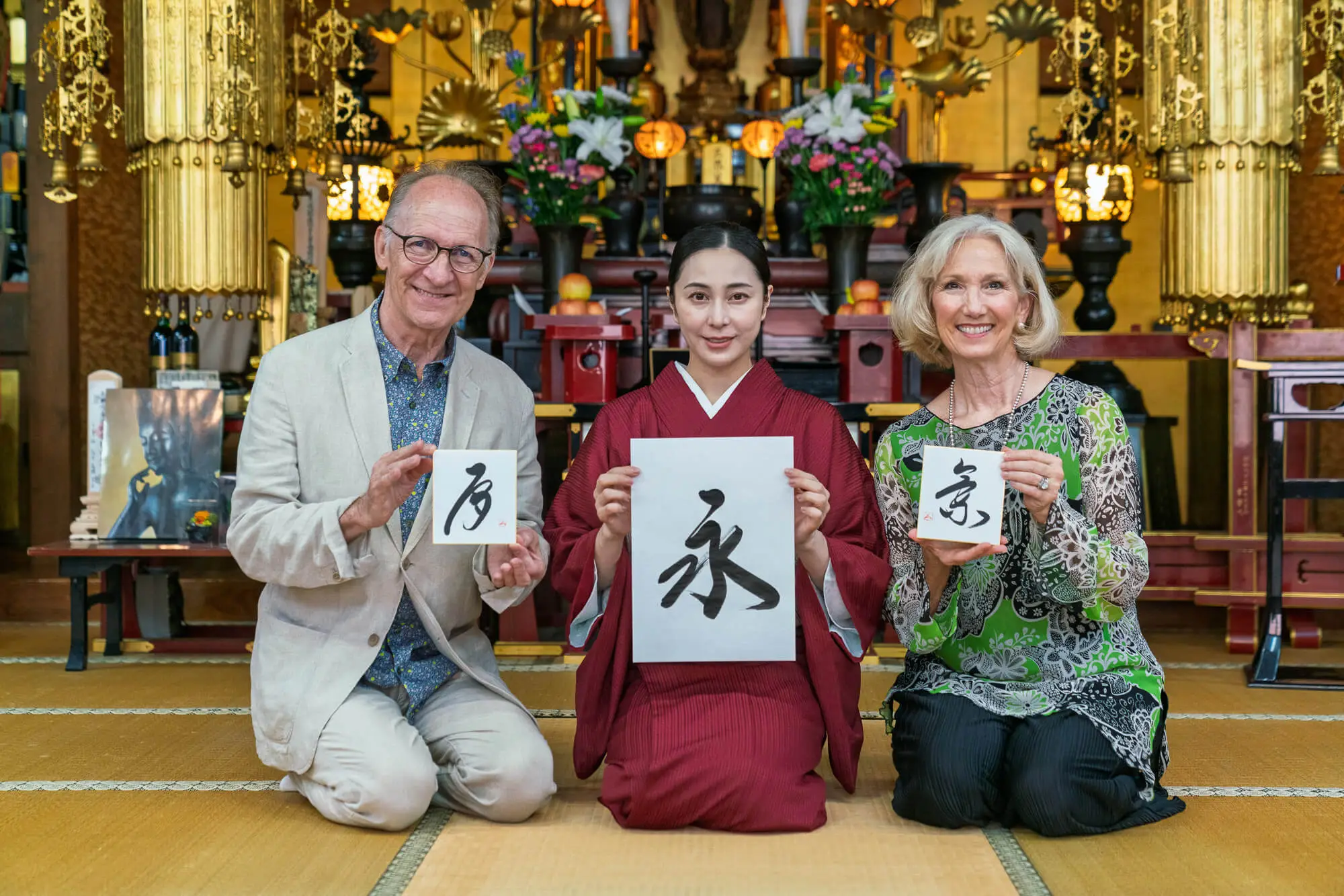
For travelers who have visited Japan multiple times and seek experiences beyond surface-level tourism, this calligraphy session offers depth. It is private, led by a master practitioner who brings both technical excellence and genuine warmth to her teaching. It connects participants to centuries of Japanese aesthetic and spiritual tradition in a way that feels immediately personal rather than academic. For travelers often moving rapidly through cities and experiences, it creates space for reflection.
In an age where travel often means accumulating photographs and likes, Okanishi's calligraphy experience proposes something different. It suggests that the most meaningful encounters might be the ones that slow down time rather than speed it up, and that turn attention inward rather than outward. The bustle of Tokyo waits just outside, ready to resume its relentless pace, but for a few hours with brush and ink, a world of silence and expression opens.
*The experience introduced in this article is a special arrangement by XPERISUS.
Please contact the email below for more information.
Contact:
XPERISUS Inc.
info@xperisus.com
KEYWORD