




THE ESSENCE OF JAPANESE LUXURY
JAXURY is a coined term derived from "Japan's Authentic Luxury". Beyond high-end goods or lavish indulgence, it's the kind of luxury that truly deserves attention: genuine, meaningful experiences that embody what is nothing less than authentic.


January 2026
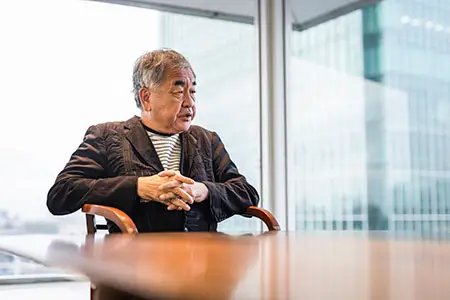
JAXURY evaluates and celebrates the essence of authentic Japanese excellence through ten researched criteria. This year's selections for the annual JAXURY award have been announced, showcasing an emerging sense of "true authenticity" from Tokyo and across Japan, recognized and admired worldwide. Based on academic research conducted at Keio University Graduate School, this work is edited and presented by Executive Producer Kumiko Yoshioka.
1: Ten Perspectives of JAXURY
What is luxury that is typically, essentially, authentically Japanese? To dive deeper into this question, we asked Kumiko Yoshioka. She referred us to the 10 criteria that define Japan's Authentic Luxury, as proposed by a consortium of representatives from Japanese academia, industry and media.
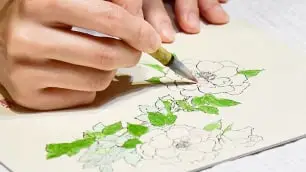
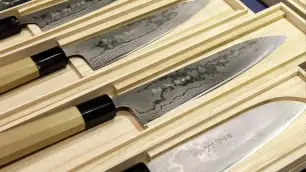
It may come as no surprise that JAXURY begins with – hands-on, finely crafted materials and experiences that express the artisan's skills and integrity in creating something that they truly believe is of high quality and value.
Craftsmanship is followed by Sensitivity and Respect, expressed through appreciation of the product or service, as well as mutual trust between the provider and the recipient. Authenticity is that which brings the recipient closer to their true selves, such as self-image in beauty. One & Only and Aesthetic ensure that the object or experience is valued and perceived as distinctive and movingly beautiful.
Enrichment of Everyday Life brings quality and richness not only to special occasions, but to daily life. Myths & Legends resurface at places that are deeply imbued with history and spirituality. Blessings & Good Fortune can be found in places surrounded by rich nature. Altruism fosters consideration for others in a virtuous cycle of harmony and tranquility.
2: Understated Fashion
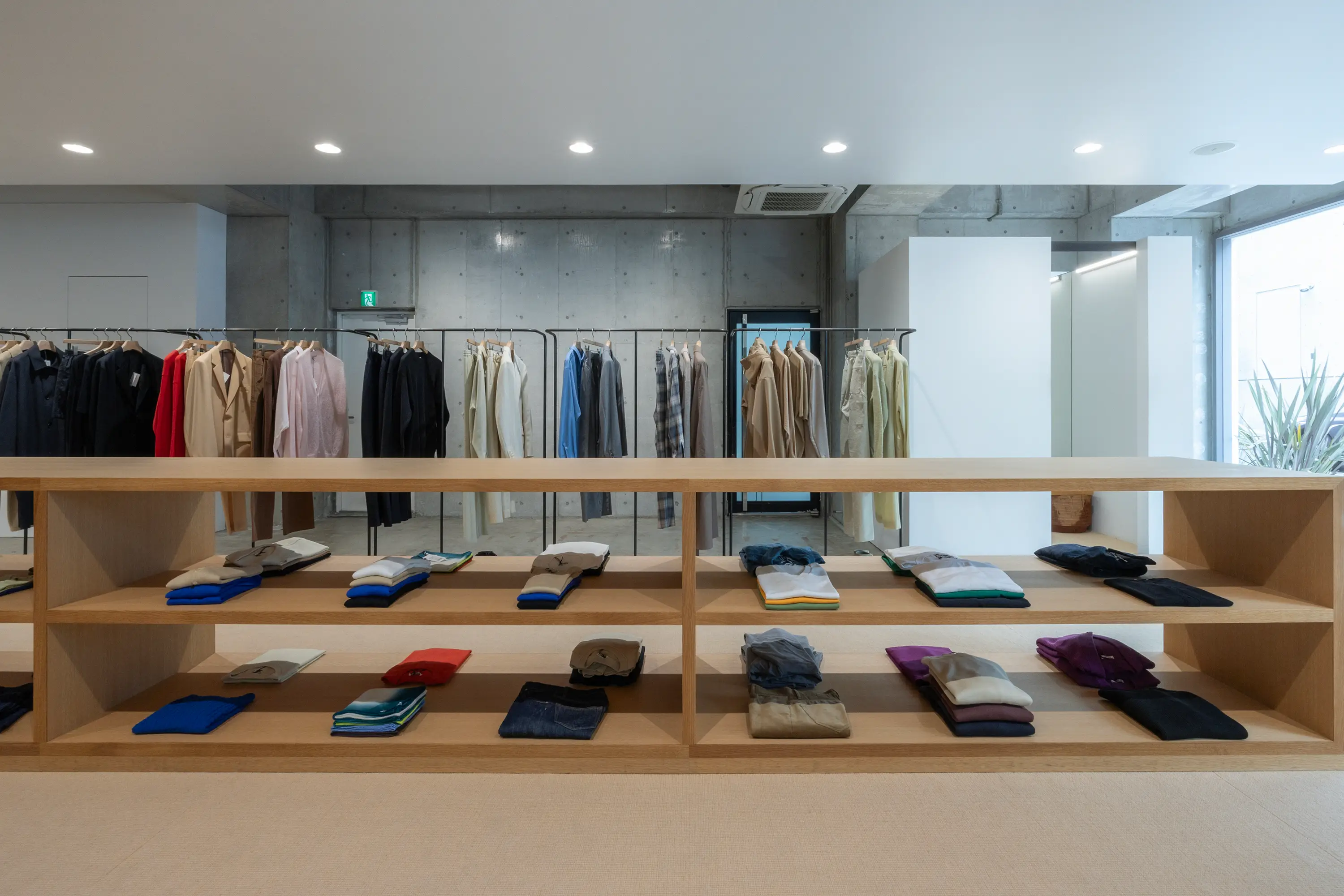
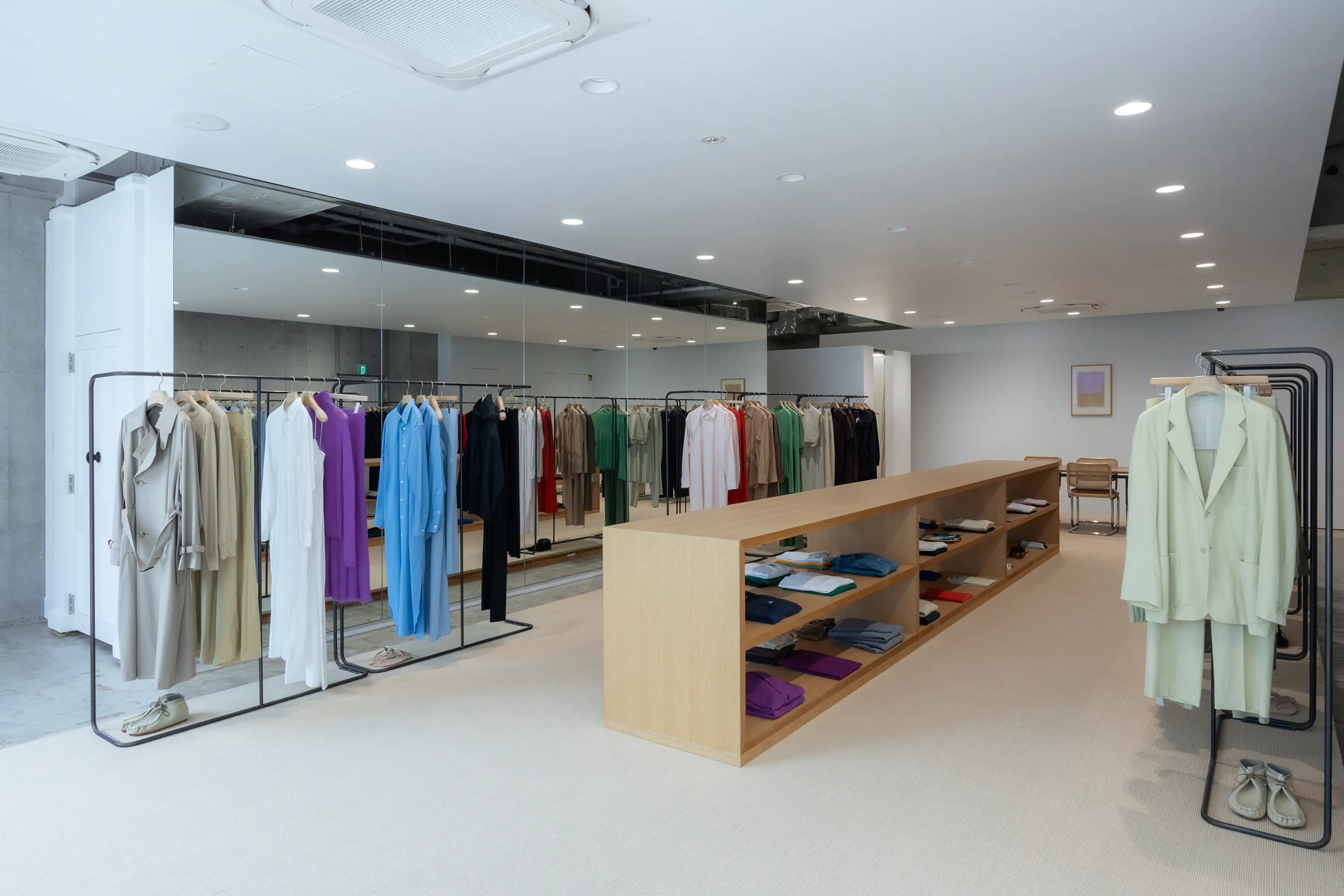
This vision of ineffable Japanese luxury is especially present in Japanese fashion. In particular, two Tokyo-based fashion brands have flagship shops in Minami-Aoyama, where you can experience firsthand this high level of craftsmanship and unwavering dedication to quality.
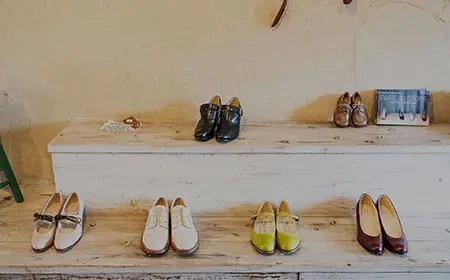
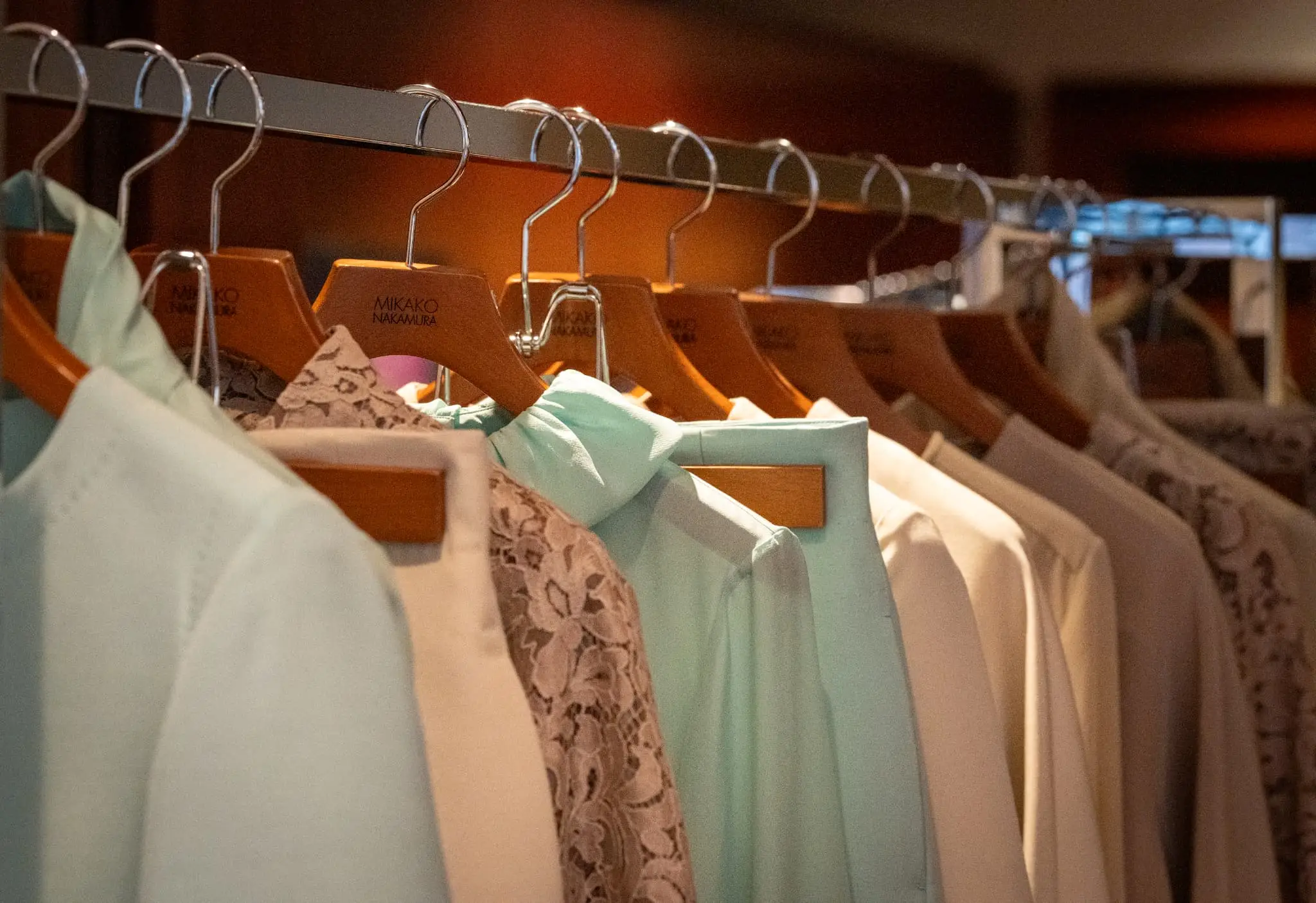
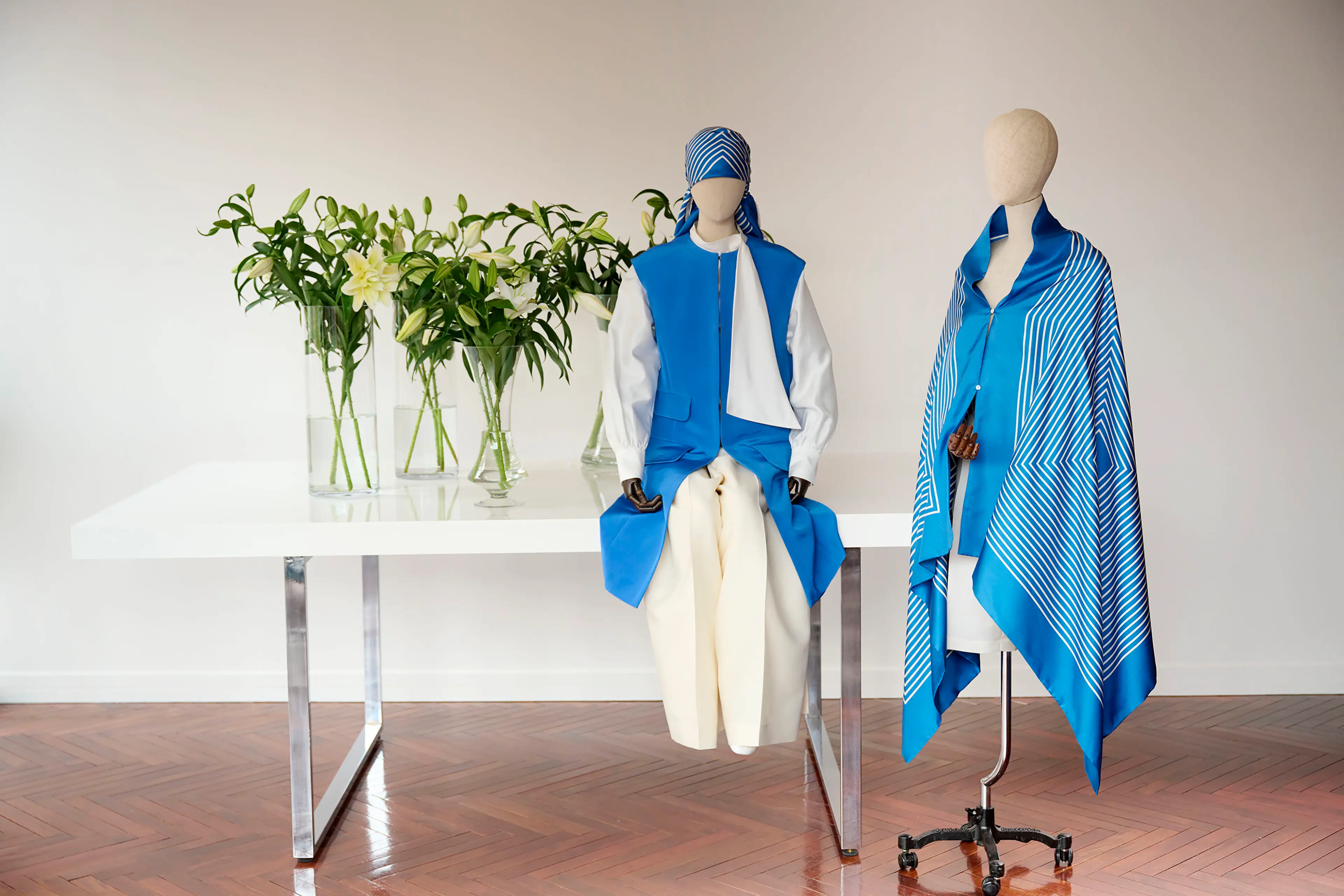
Designer MIKAKO NAKAMURA values the natural beauty in high-quality fabrics and minimal design, leaving the wearer's individual personality to shine through. She compares her apparel to a wholesome meal with fresh ingredients: naturally tasty, with just a hint of seasoning. Unlike mass-produced fast-fashion, each garment is made with care by highly skilled workers at her atelier — timeless styles that she hopes will be associated with special occasions and happy memories, passed down over generations.
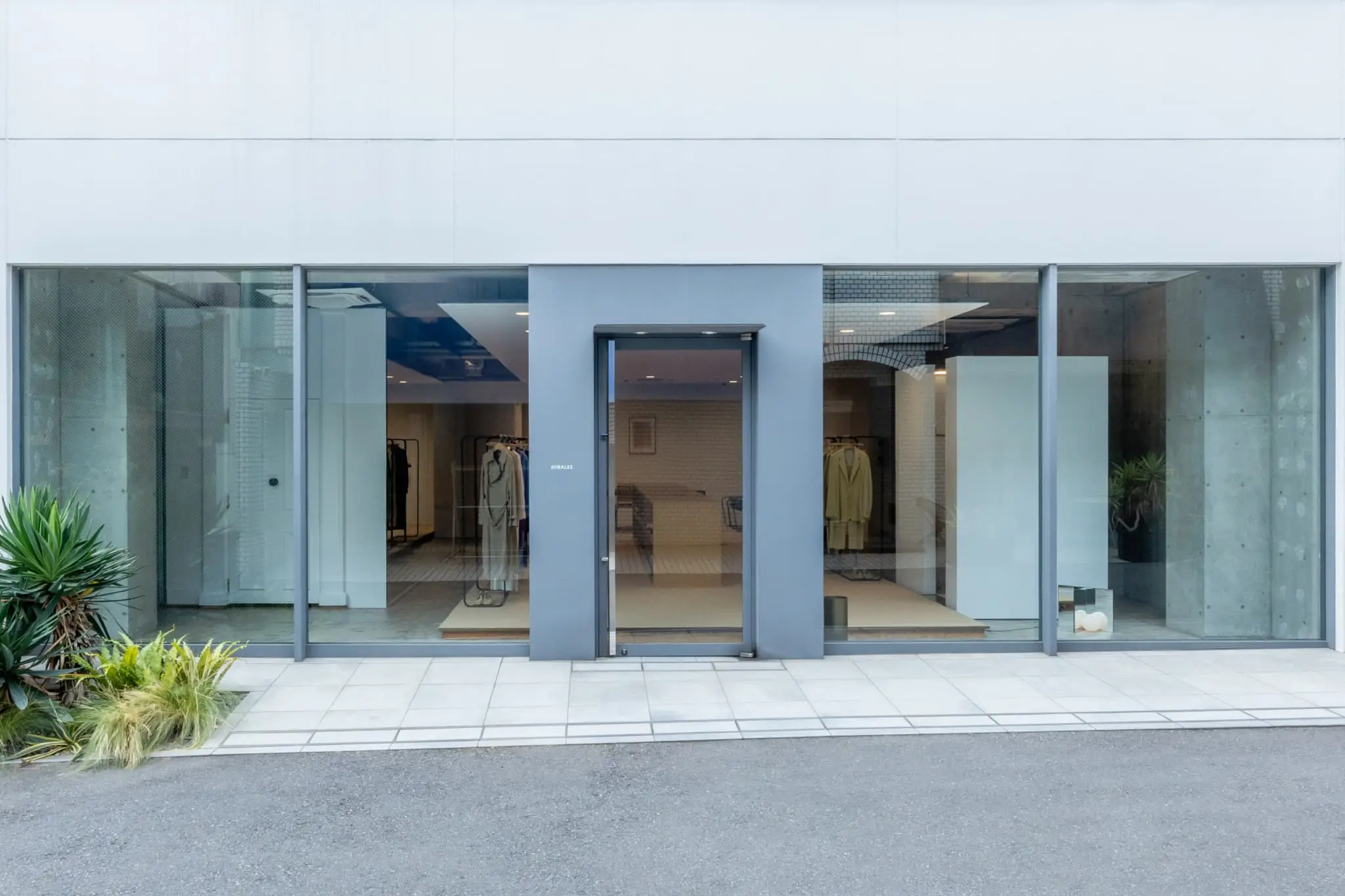
Ryota Iwai, founder of the brand AURALEE, adopts a similar approach when emphasizing authenticity and simple elegance, balancing comfort with sensitive sophistication. He begins each collection by researching the highest-quality raw materials and yarns, even traveling to places such as Mongolia, where nomads raise goats for cashmere. Fine-quality fabrics are used to create long-lasting casualwear that enhances the wearer's individuality, where luxury materials underlie confident yet relaxed simplicity. AURALEE was awarded for the perspective Enrichment of Everyday Life.
3: Harmony in Chaos
"Organized chaos" is how many foreign tourists have described Tokyo upon their first visit to Japan. Perhaps this perception of intention in disorder is best epitomized at Shibuya's famous Scramble Crossing, where pedestrians weave their way through the dense crowd across the intersection without colliding. Here, apparent chaos is transcended by quiet harmony.
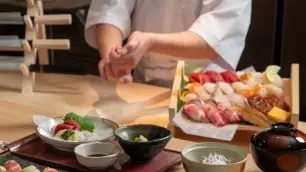
This sense of coexistence, where different tastes, eras and materials share the same space without disruption, can also be seen in Japanese traditional crafts. One location where this harmony exists is Palace Hotel Tokyo, where guests can experience a variety of JAXURY brands. At the hotel's Japanese restaurant Wadakura, the highlight of the kaiseki dinner—the chef's signature hassun platter—is presented through a harmonious ensemble of vessels, where cuisine and craftsmanship come together in perfect balance.
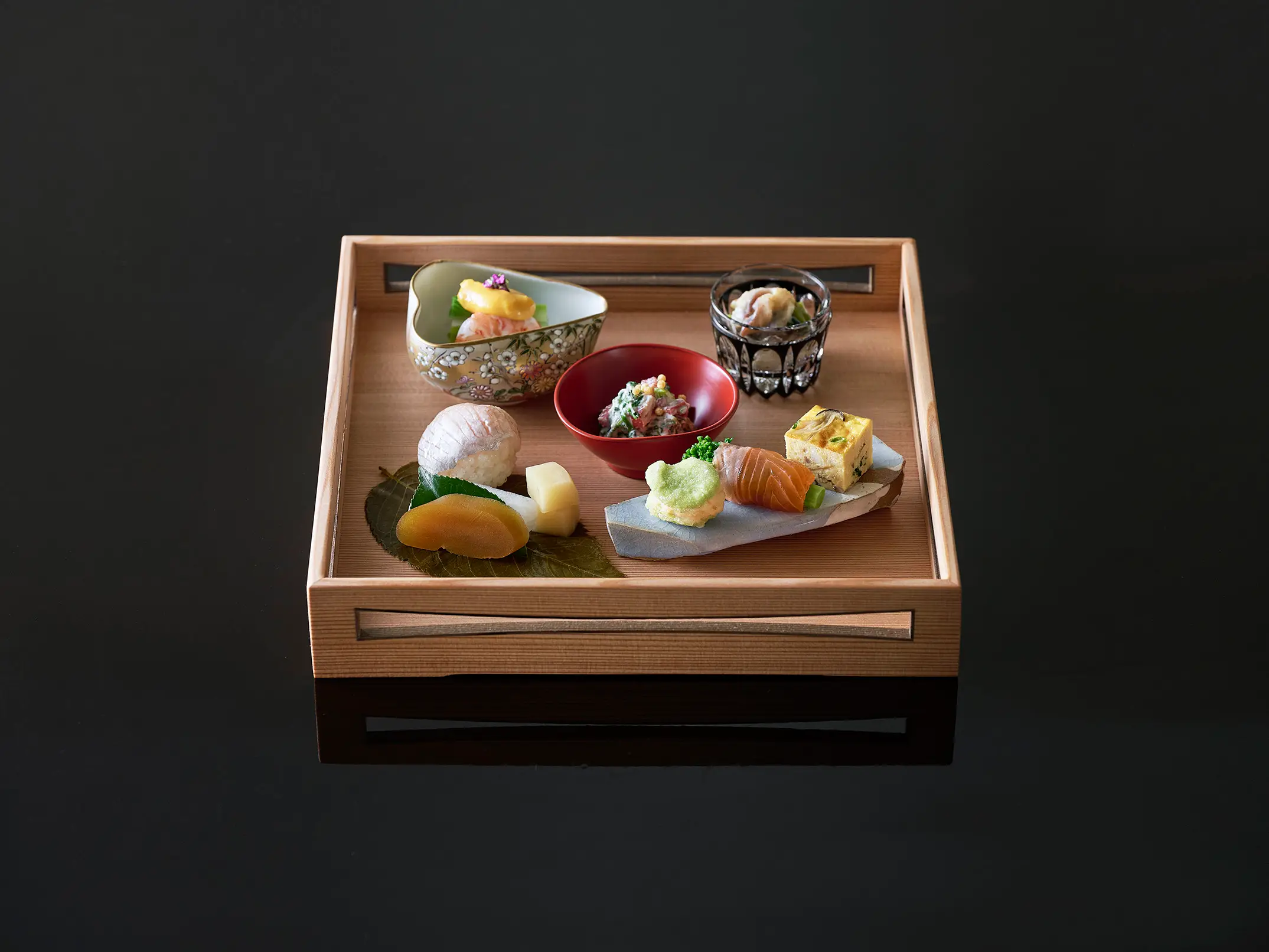
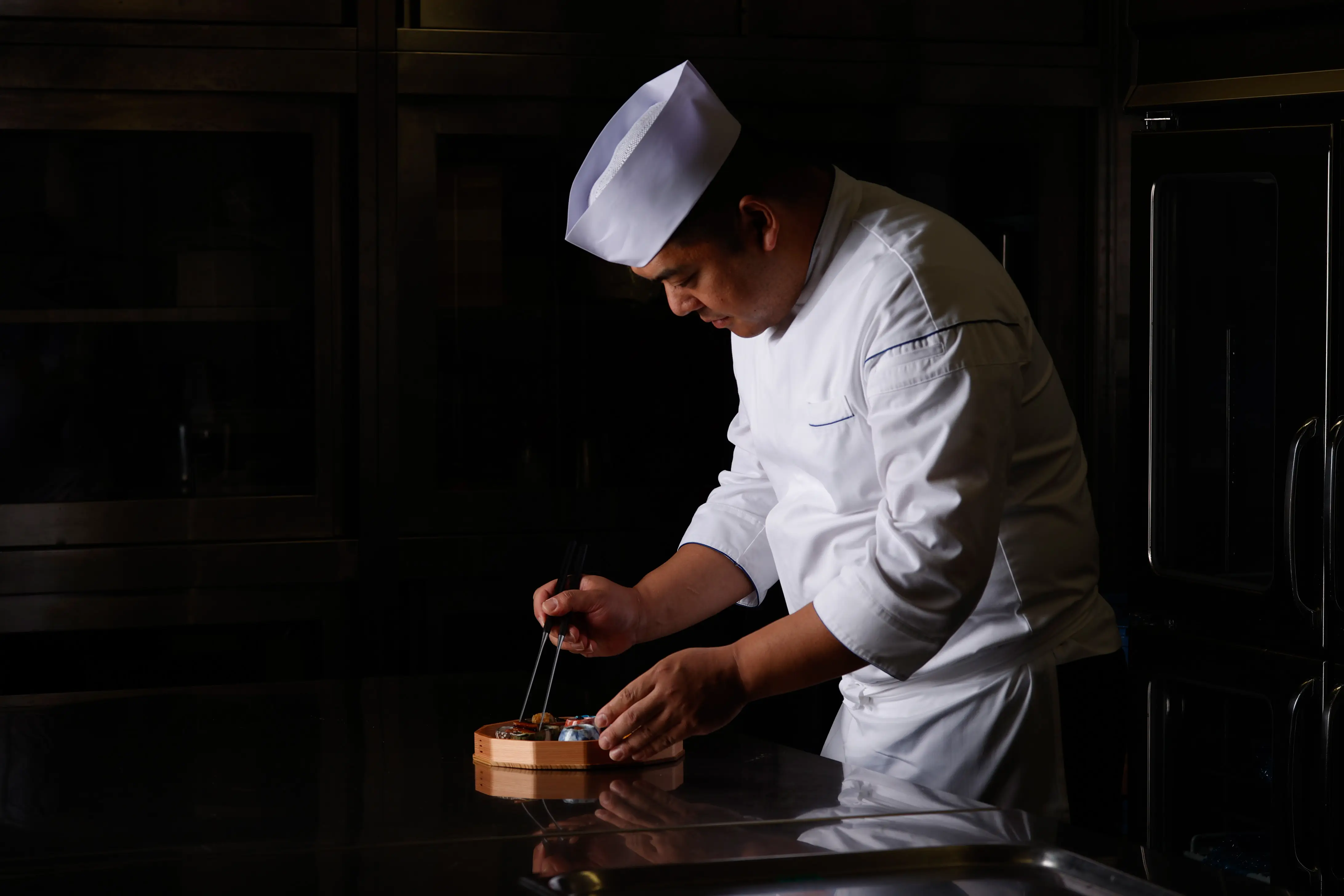
"It's wonderful to see everyone's dishes, which are all completely different in terms of materials, shapes, and techniques, come together to create a kind of chaos," says Chef Izumi. Also, according to Toru Horiguchi, the third-generation craftsman and founder of Horiguchi Kiriko glassware, "This sense of controlled chaos is precisely what suits the hassun."
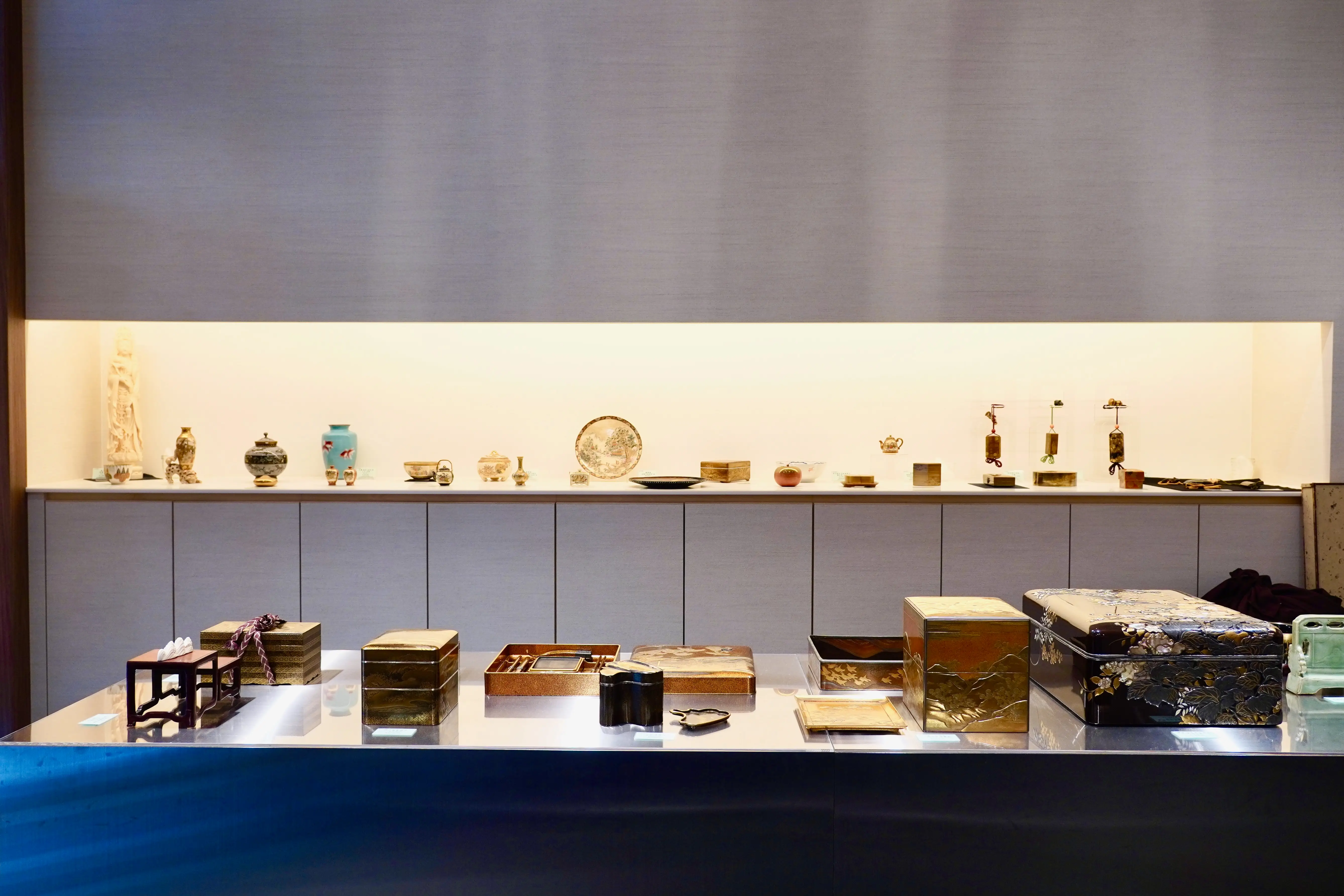
Horiguchi Kiriko is a lineage of Edo Kiriko, a traditional cut-glass craft with a history of around 180 years, distinguished by the contrast of color and intricate patterns. At Wadakura, Horiguchi Kiriko vessels form part of an elegantly eclectic mosaic alongside works by master artisans from across Japan, including woodwork, lacquerware, porcelain, and pottery, coming together to complement a special JAXURY kaiseki course. United as a whole, these diverse and timeless wares create a refined dining experience that further enhances the unique character of each dish.
4: Interior Design from around Japan, Showcased in Tokyo
Over the past few decades, Tokyo has also become a hub for revitalizing traditional crafts that are at risk of disappearing by reinterpreting them through contemporary design and utility so that they can enrich modern lifestyles.
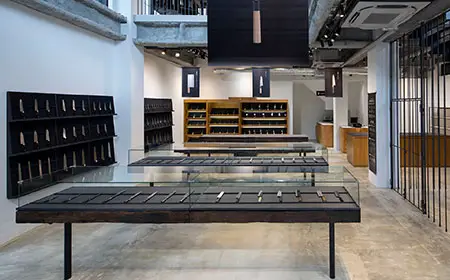
At the center of this movement is Time & Style, a Tokyo-based brand that manufactures contemporary furniture and interior design objects using the tools and techniques of traditional Japanese craftsmanship.
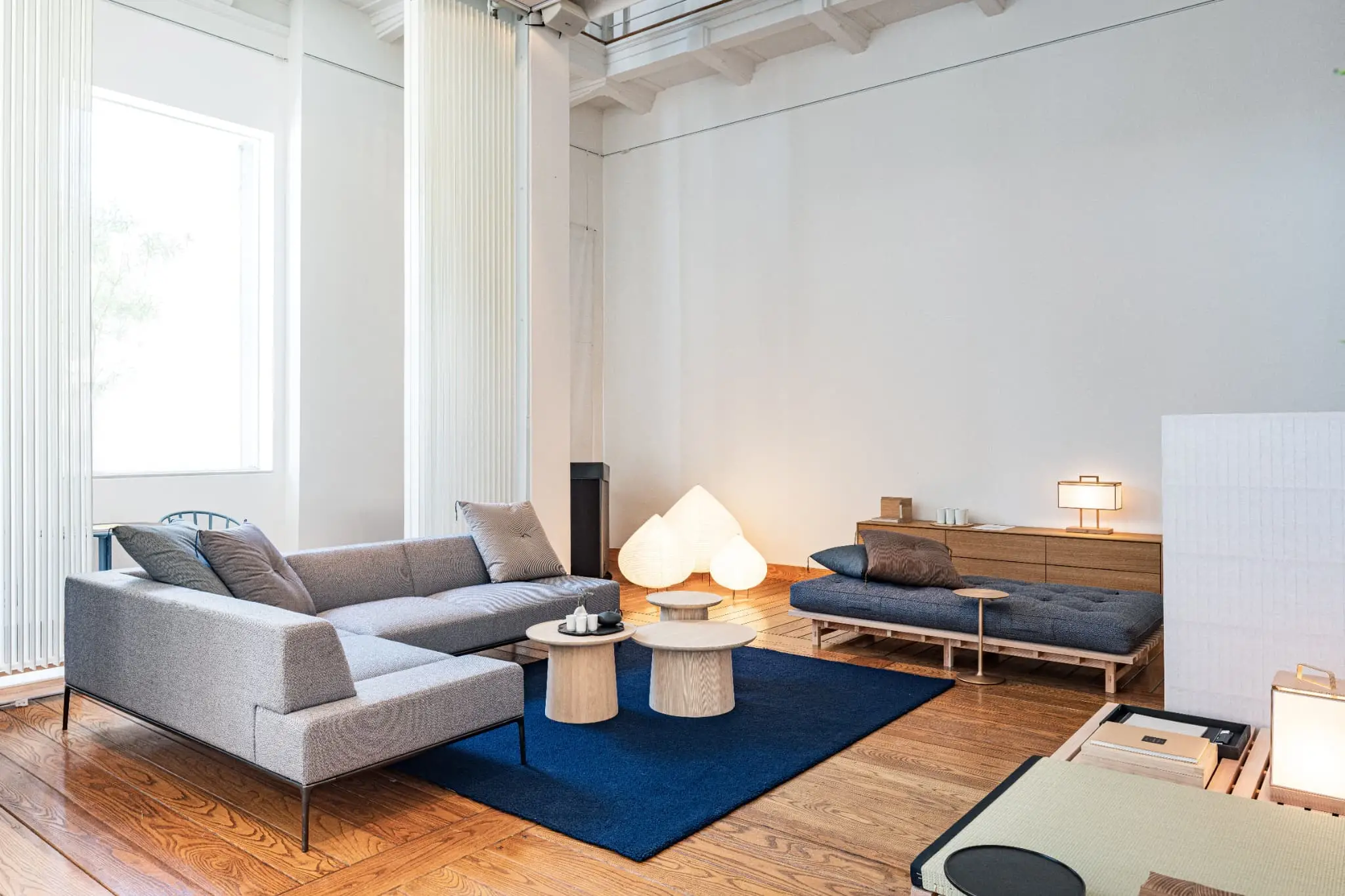
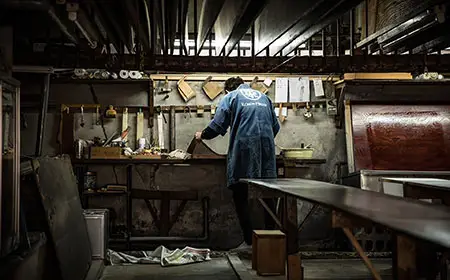
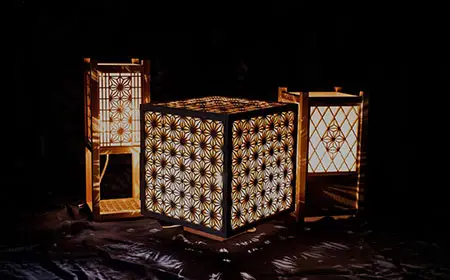
The Time & Style Factory in Higashikawa, Hokkaido, sources local timber from Hokkaido and Tohoku, sawing and drying it in-house, where a team of approximately 30 craftspeople hand-finishes each wooden piece one by one. The company also uses the skilled craftsmanship of artisans in their home environments: washi paper and stoneware made in Shimane, paper lanterns made in Gifu, woodworking joints made in Aichi, bronze casting in Toyama.
In order to distribute these products to international clientele, Time & Style has four flagship showrooms in Tokyo, with items exhibited according to themes such as seasons and lifestyles at Isetan Shinjuku, living spaces in Futakotamagawa, atmospheric interiors in Minami Aoyama, or realistic spaces at Tokyo Midtown. As visitors from around the world begin their journey into JAXURY in the vibrant Japanese capital, Time & Style gives precious visibility and exposure to specialized crafts from more remote areas of Japan.
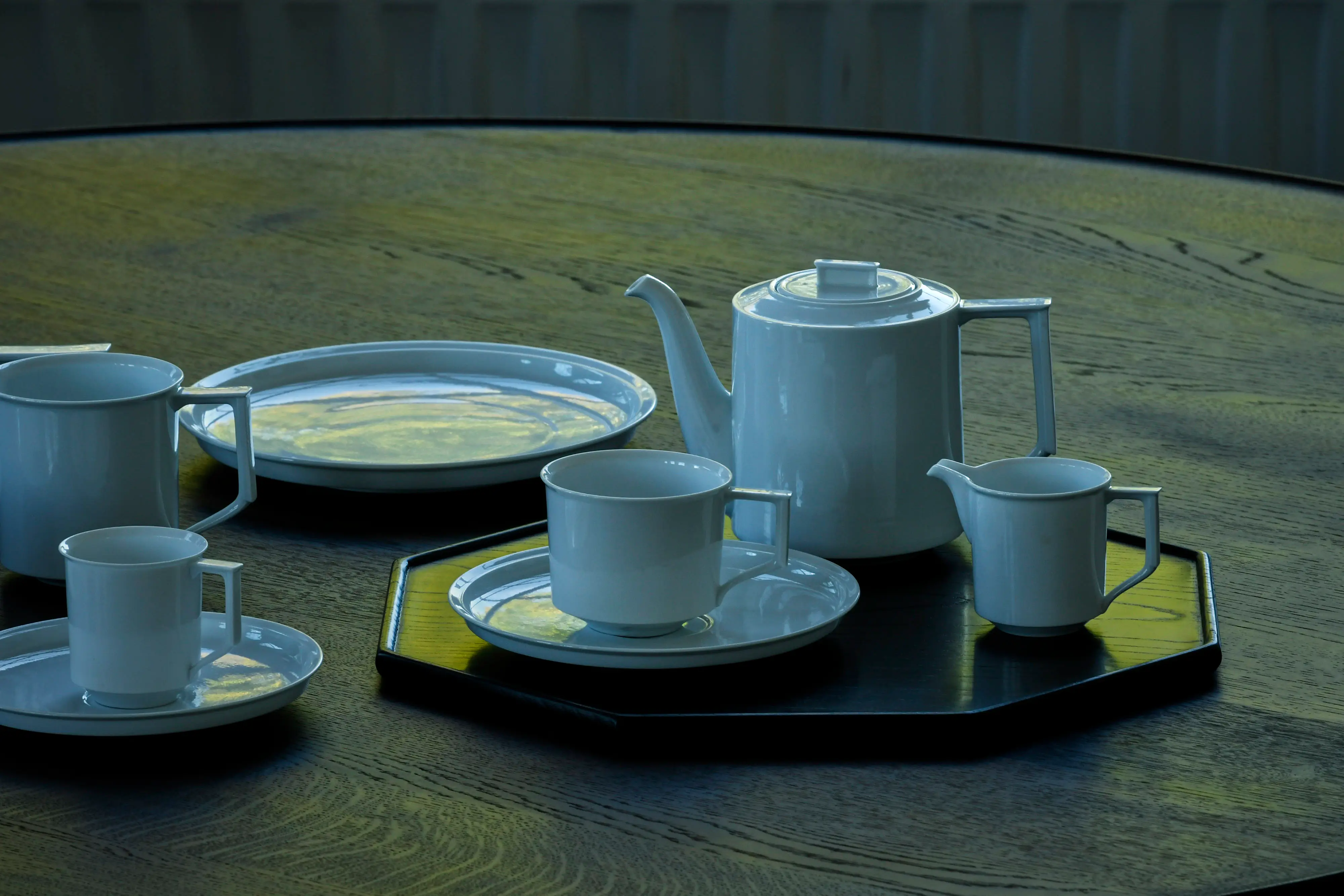
Japan's Authentic Luxury comes in many different forms, from accommodation and apparel to tableware and furniture. JAXURY goes beyond products and services to encompass an essence, a movement, a feeling. Through the leads in this article, we hope that you will experience true authentic luxury – proudly made in Japan and epitomized in Tokyo.
Learn more about JAXURY Official Website
Learn more about MIKAKO NAKAMURA Official Instagram
KEYWORD