








MEDITATION AND A MONASTIC BREAKFAST AT TOKYO'S TEMPLE OF THE 47 RONIN
Explore devotion at Sengakuji Temple, one of Tokyo's most storied Zen sanctuaries and resting place of the legendary 47 Ronin. A visit to this serene corner of cosmopolitan Minato unveils a drama of samurai loyalty, the timeless discipline of bushido, the austere tranquility of Zen meditation – and a mindful breakfast.


Sengakuji in Tokyo's Minato district occupies a special place in the imaginations of the Japanese and non-Japanese alike. In 1703, a band of samurai left masterless when their lord was forced to commit seppuku avenged him in a daring night raid, laid his head to rest at Sengakuji, and its members met their own honorable end. Their story endures as a symbol of loyalty and sacrifice. Yet the temple's peaceful grounds belie this dramatic history. As Head Priest Matsune Daichi reflects, "Visiting the graves makes us consider what life is; what is the purpose of it? Just to attain material things?"
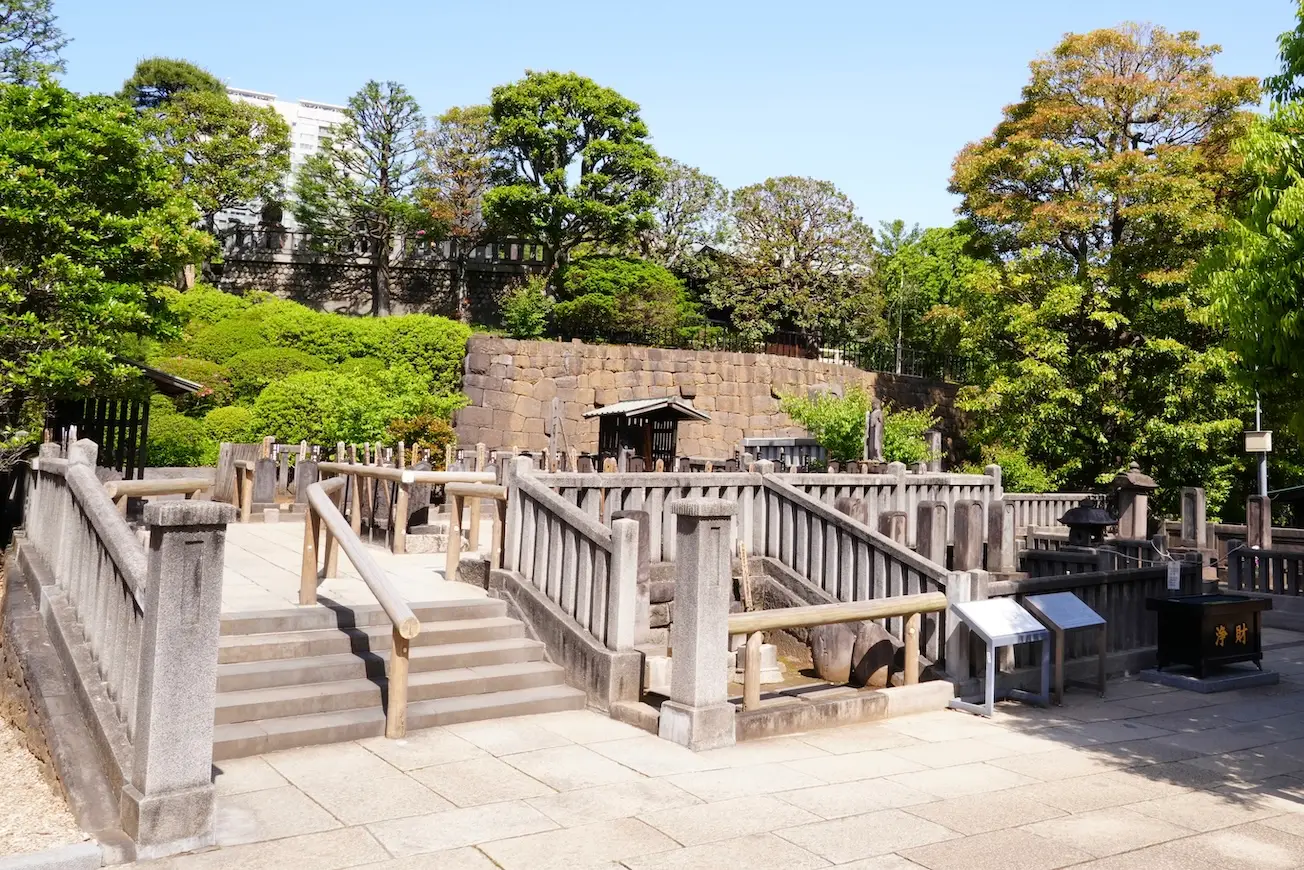
Visitors from all over the world bow at the graves, offering incense and contemplation. The loyalty and discipline still draw pilgrims, and today, 60-80% of the visitors to the Takanawa area — where Sengakuji is situated — are from the US and Europe. Fascination with samurai culture endures, but its combination with Japan's Zen Buddhism gives the temple a rare niche, and it is one that particularly appeals to a western demographic in search of a certain spirituality. While Buddhism remains ever popular, a more recent turn away from the digital life to one that is attentive to the material world and mindful of mental patterns brings these traditions to the forefront for many. And they are visiting Japan in search of just these things: discipline, mindfulness, and the inspiration they find in bushido, "the way of the warrior."
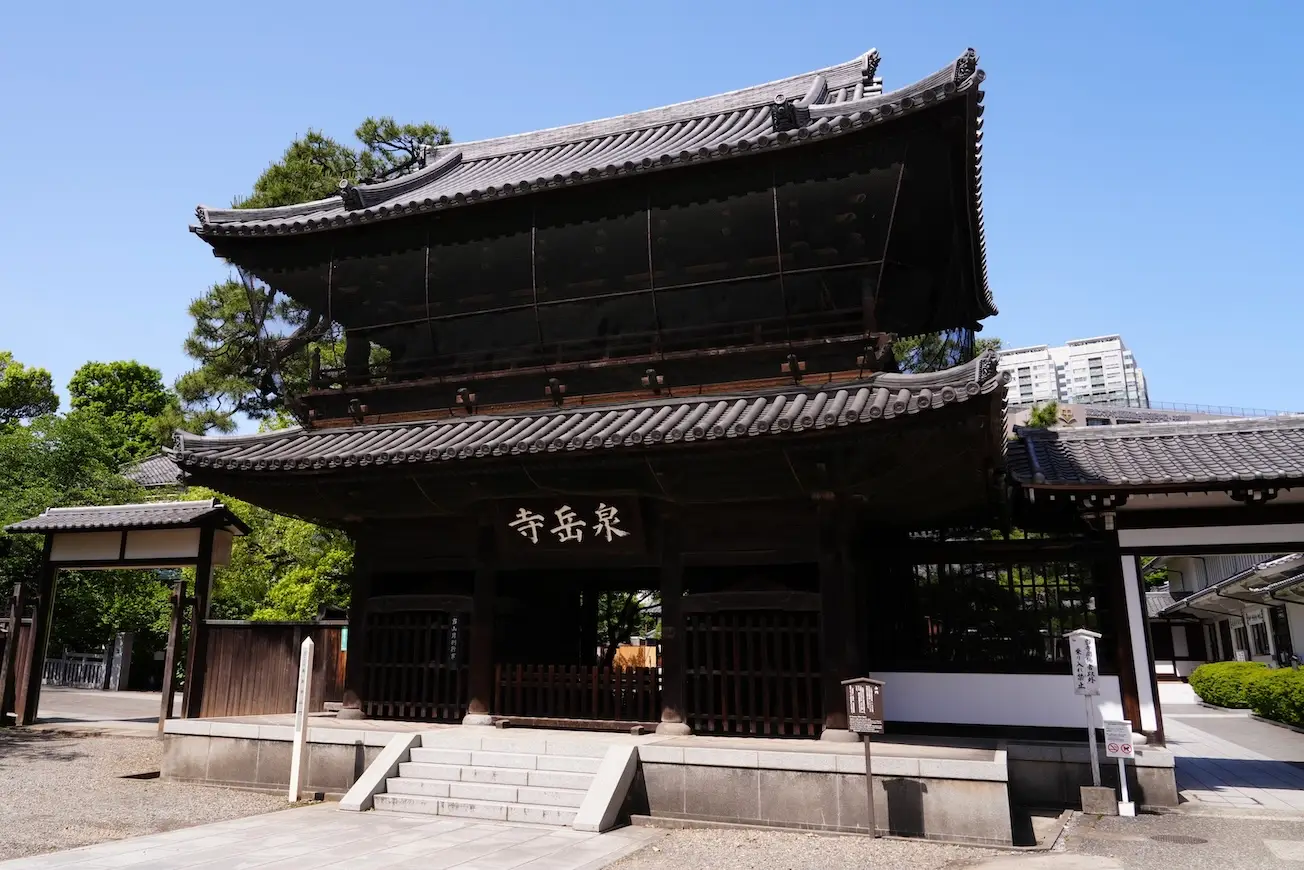
Matsune offers nuance. "Buddhism is a religion of 'believing in your self' – but it is not individualistic. It is the knowledge of a different kind of self." For those who are knowledgeable about the Buddhist concept of the self, this is a provocative and intriguing statement, but it reflects something of modern Japan, and the dilemmas of life beyond Japan too. Matsune shares the phrase kika onza: "Returning home, calmly. Sitting down. It's a lovely phrase. You do zazen, fold your hands and legs in a state where you can't move at all. In that way you look back upon your own body. Yes, not returning to your house but returning to yourself. Treating that as "home," as if you'd come home."
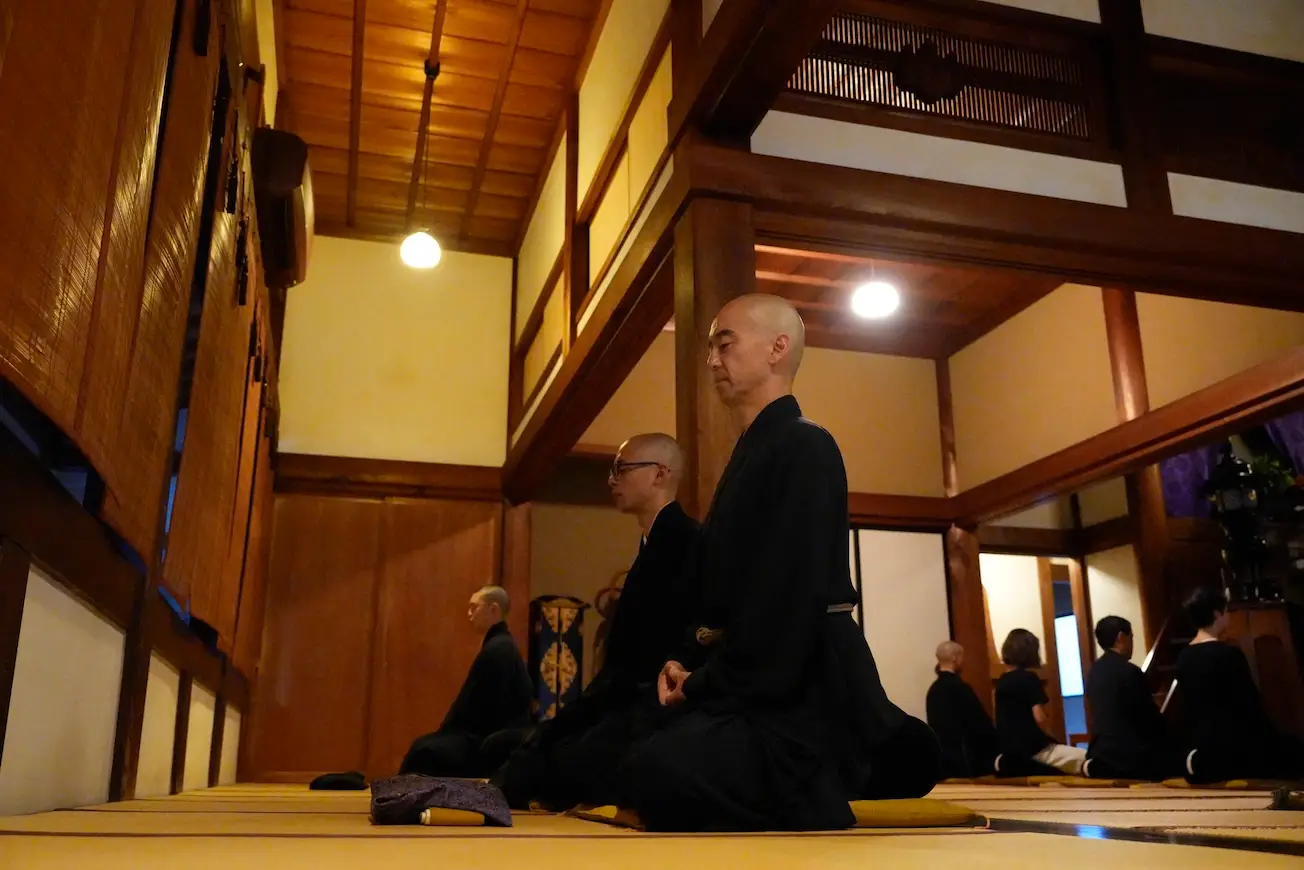
A personal trauma once pulled the priest from casual practice to serious training at Eiheiji Temple, one of the headquarters of Soto Zen Buddhism. "As I sat in meditation, thoughts, memories and recollections were, over time, healed. And what I came to think there was: "this is it – here, now." Nothing is more precious than the fact of being here now – to exist here. And one more thing: as connection, humans are one. We are certainly separate, but originally, I think we are one. That was the moment I resolved to do zazen seriously." And the harshest part of monastic training? "Looking inward takes time, and how much time it takes differs from person to person. Sometimes it's simply hard to find that time at all," he says. That's why, one by one, his cohort left Eiheiji. " Because facing yourself also means facing solitude."
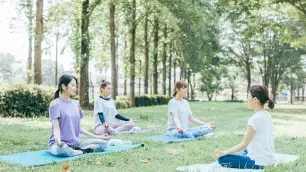
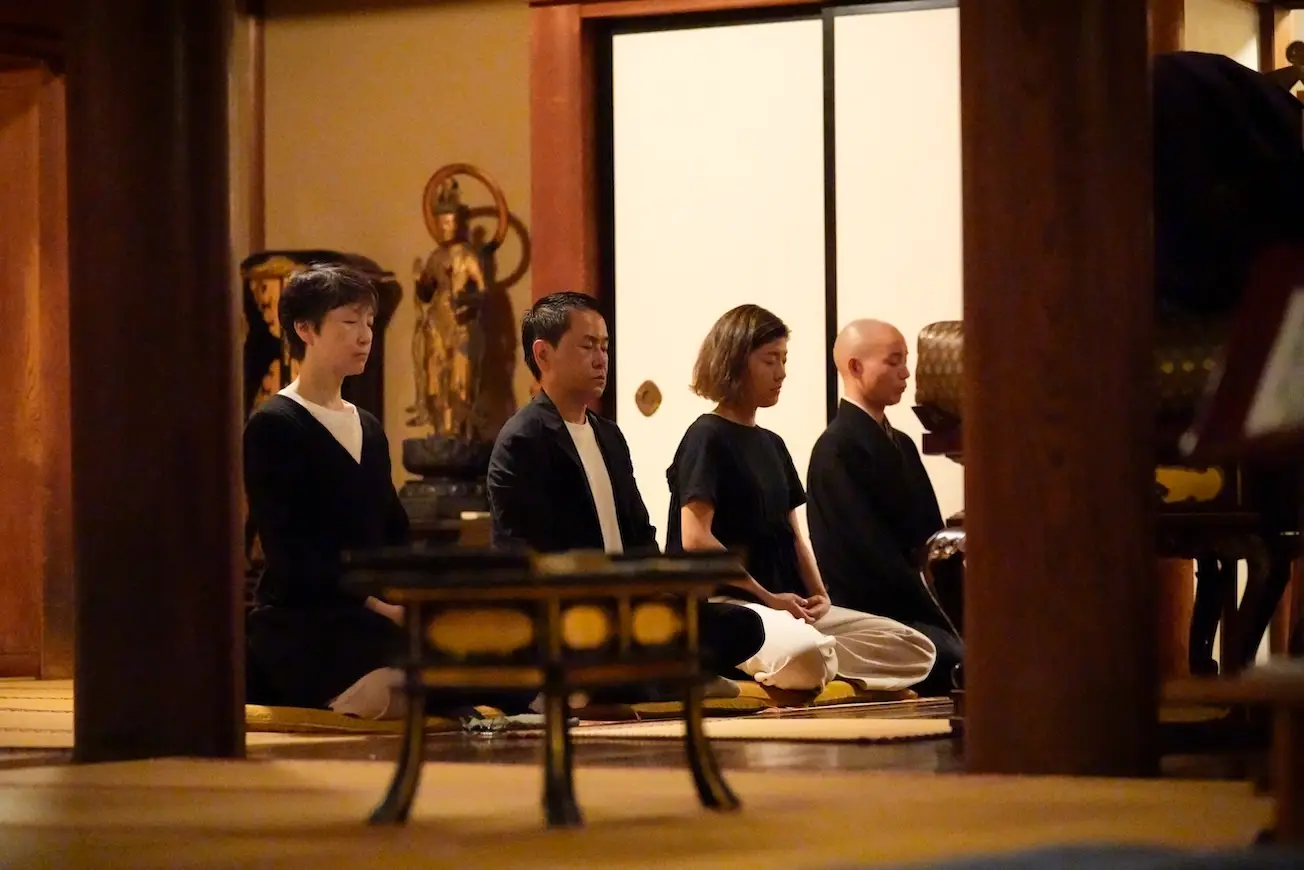
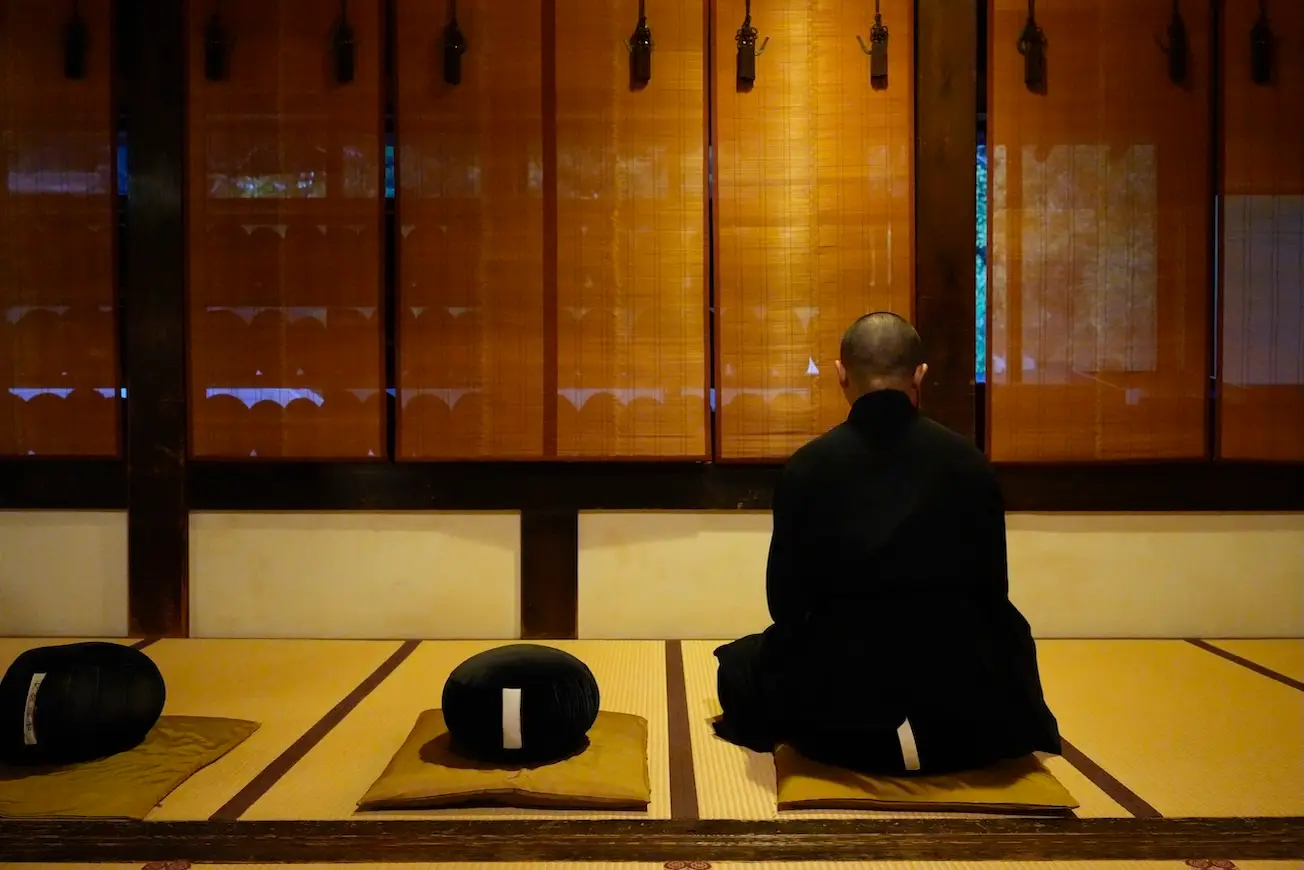
The temple opens for zazen meditation at dawn. A line of zabuton is arranged and guests are invited to join the monks in the practice. In the silence, one hears only birdsong and the rustle of leaves. The world stills. This is an embodied experience of facing the self, and of kika onza. Then breakfast is served. Each of the simple dishes is treated with reverence, mindfully consumed, and carefully tidied away. The monks eat and move in harmony. Pace slows. A few grains are put aside to feed the "hungry ghosts" – wandering beings in the Buddhist realm. The appreciation of the food, the absence of waste, the beauty and refinement of the movements, the care for the unseen – all are found in the Zen breakfast.
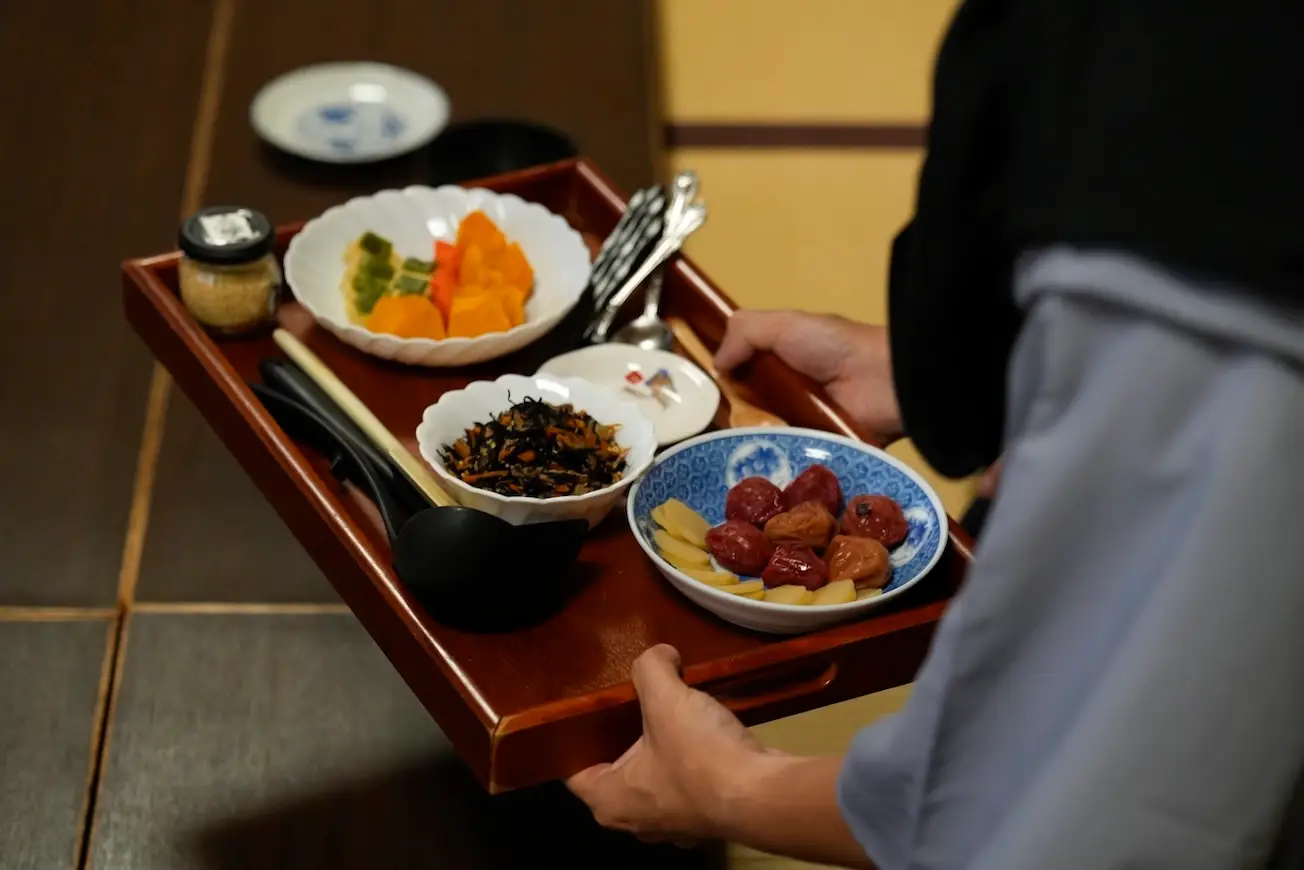
Many modern pilgrims recognize in samurai values and Zen practice what fragmented contemporary life can lack – purpose beyond material attainment, community built through shared discipline, a return to a stiller self. These can be found in meditation, and in the carefully prepared breakfast at Sengakuji.
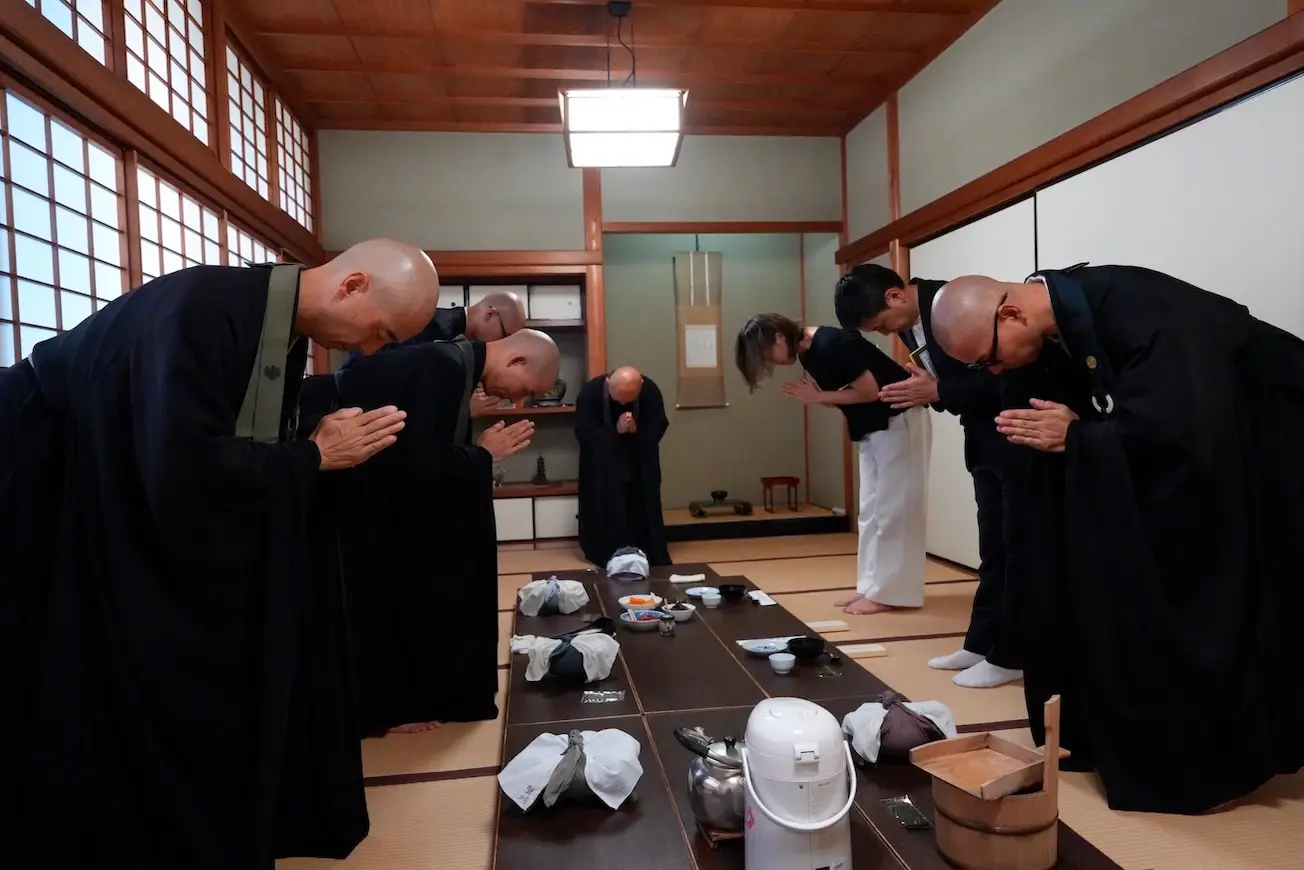
Outside in the grounds, the early summer heat rises over the graves that sit neatly in a set-off area. The priest recommends venturing further north for an even fuller understanding of this. "Go to Eiheiji!" he says. "Everything at Sengakuji flows from there." The six-hundred-year-old temple in the Hokuriku region reflects seasonal rhythms with striking clarity. He remembers watching snowflakes fall and feeling his own pace slow to match them. "Japanese poetic forms like waka and haiku capture this link between human awareness and nature's pace. Even daily monastic routines — the precise, harmonious order of eating breakfast — mirror nature's shared rhythm."
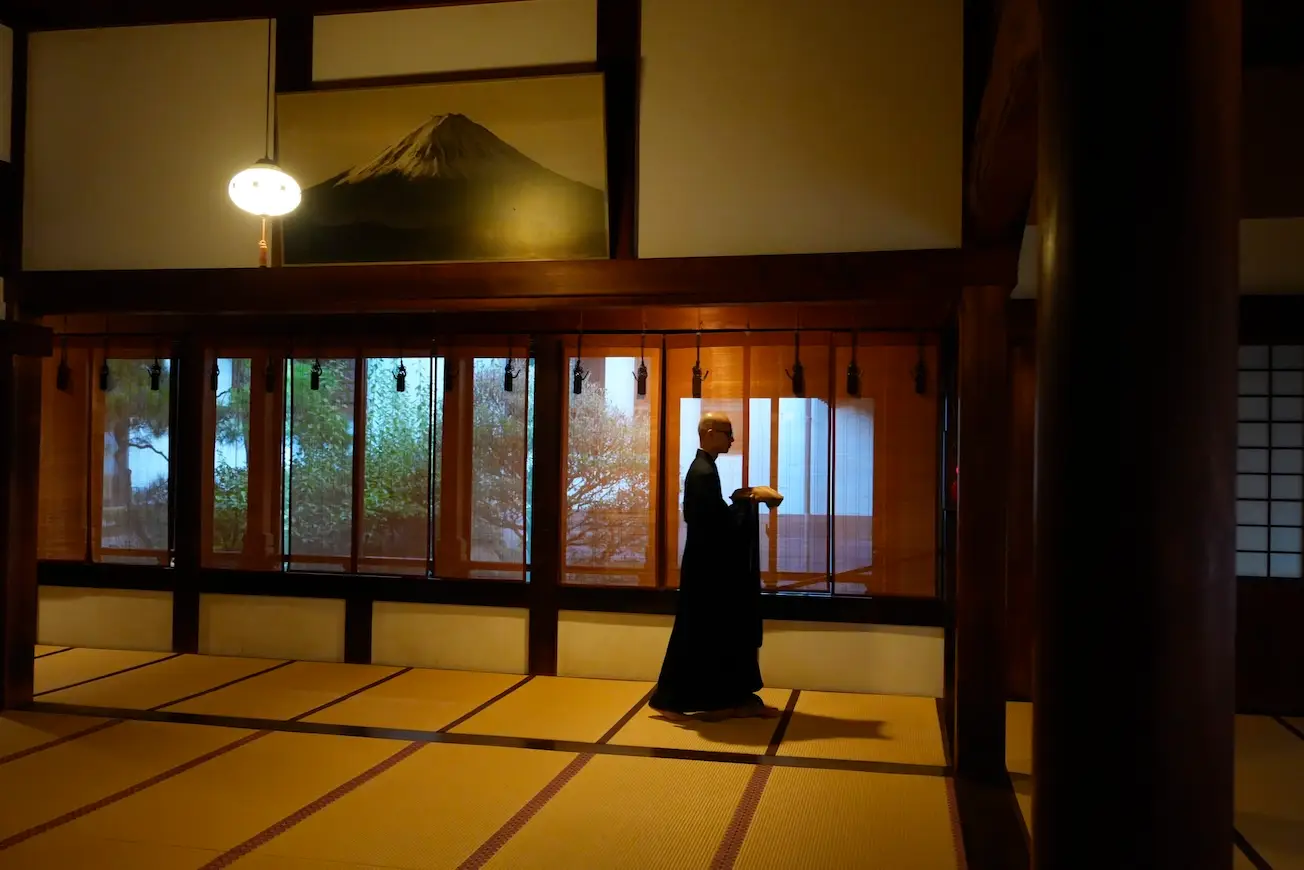
At Sengakuji lie the warriors whose loyalty, sacrifice, and discipline made them worldwide legends. Today, it is a living temple that offers appreciation — even amid the bustle of Tokyo — for stillness and peace to be found in everyday life.
*The experience introduced in this article is a special arrangement by XPERISUS.
Please contact the email below for more information.
Contact:
XPERISUS Inc.
info@xperisus.com
KEYWORD