






GASTRONOMIC RETREATS IN TAMA
In recent years, the idea of luxury travel has shifted, from stylish sightseeing to rejuvenating retreat. More than a vacation, it is a sojourn spent away from the urban hustle and bustle, a place to reclaim serenity in nature, the luxury of time to restore body and mind. Just a couple hours west of central Tokyo, you can find lush forests, clear streams, and fertile lands rich in wholesome culinary ingredients.


February 2026
The Tama area is a popular destination for nature, fine dining, and tranquility that defies the image of Japan's boisterous capital. It is also home to exclusive, reservation-only restaurants housed in heritage buildings that bridge local history and natural environment. These rare gourmet gems invite guests to refocus, rejuvenate, and retreat into a secluded oasis of sedated luxury, high gastronomy, and ultimate bliss.
01. Auberge TOKITO
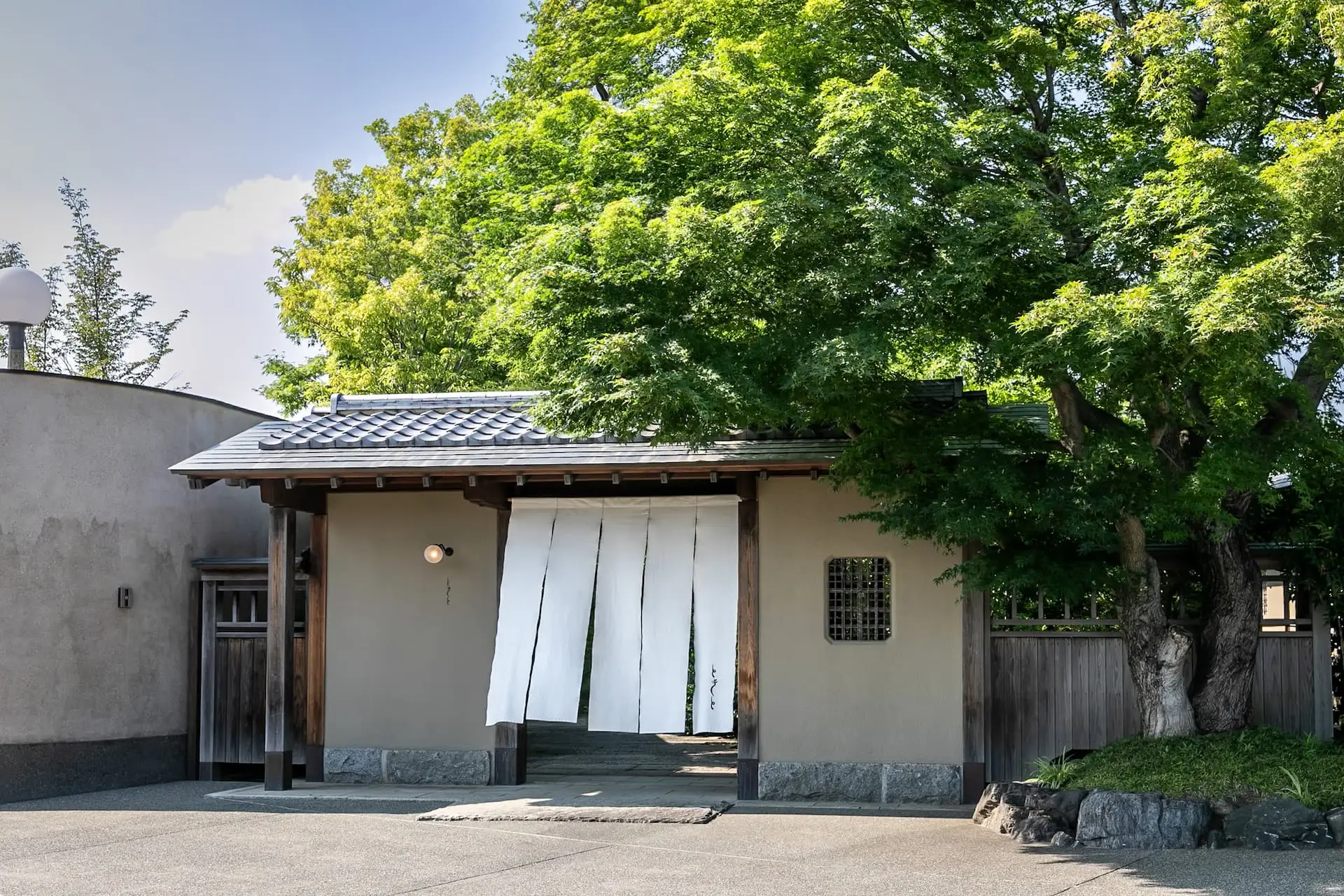
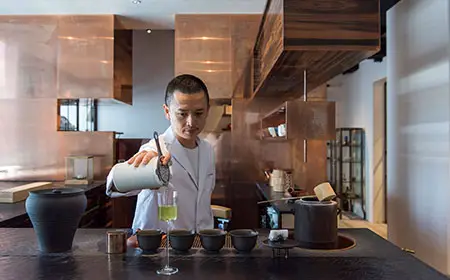
TOKITO is an intimate, Japanese-style auberge that fuses dining, ceremonial tea tasting and lodging, inspired by the Japanese word toki (meaning time). It was conceived as a place and time to encounter the richness of Japan's natural culinary bounty, to appreciate the aesthetics of tea, to relax, and heal mind and body.
The building itself was newly established on the former site of Mumon-an, a long-established traditional Japanese restaurant built before World War II. Reborn as Auberge TOKITO in 2023, this extraordinary space was holistically designed to incorporate high-end cuisine and low-key architecture for a soothing, secluded experience. The restaurant specializes in Japanese cuisine prepared with World cuisine techniques, while four exclusive guest rooms feature open-air baths filled with natural hot spring water, complemented by luxury spa treatments using various natural oils from around Japan.
Who would have guessed that this Michelin Key awarded inn, operated by Michelin Starred chefs is located right in Tachikawa, located just about an hour's drive from Shinjuku?
Producer and chef Yoshinori Ishii's fascinating 540-day journey to seek out Japan's lesser-known ingredients, discovering passionate producers with unique stories along the way, was even documented and preserved as a full-length documentary film. Their mission, shared by Ishii and Okawara, the inn's general manager and executive chef, was to create an original auberge offering a completely new Japanese culinary experience.
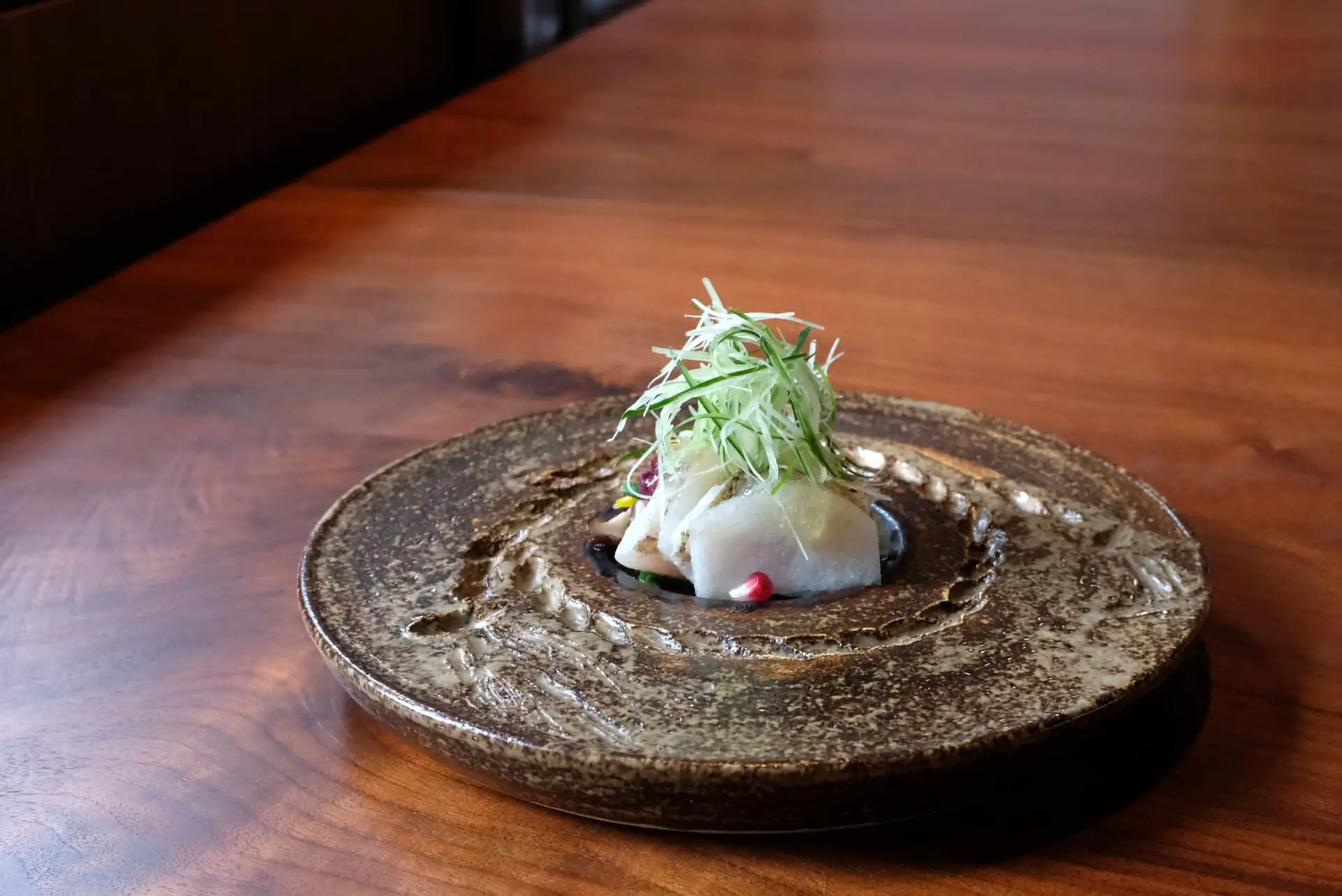
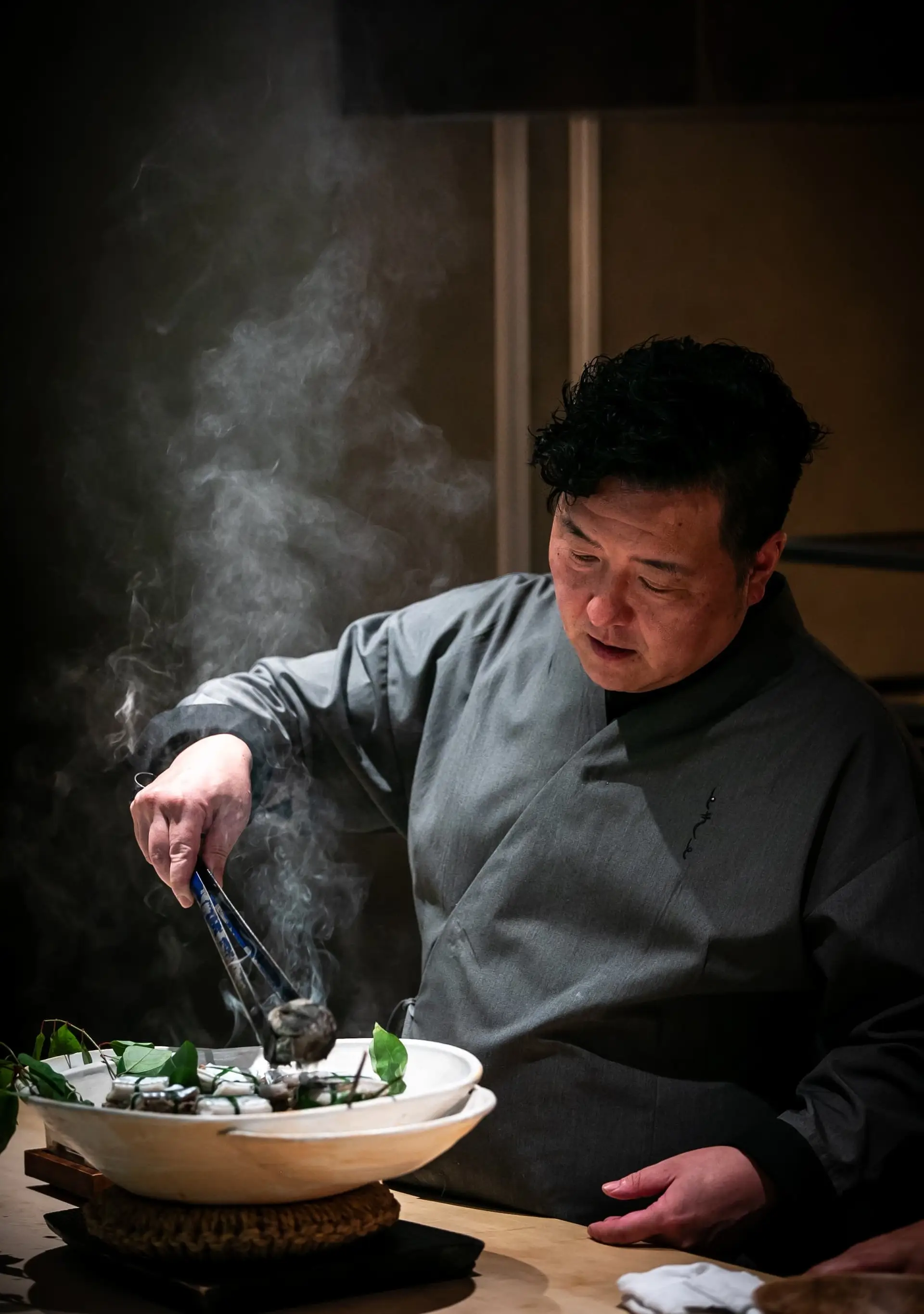
"Our essence lies in confronting each ingredient at its peak moment and creating dishes that are born from those fleeting encounters," says Ishii. "We invite our guests to taste the life force of the ingredients themselves." The chef's skills and integrity extend from his gourmet tasting course dinner menu all the way to TOKITO's wholesome breakfast of Silkie chicken porridge with mixed black rice.
Inside the auberge, Ishii has crafted tableware from trees that had to be felled during the renovation of Mumon-an, as well as pottery made from soil excavated during the renovation process. Head chef Okawara, in turn, carefully coordinates his dishes with these handcrafted vessels.
"We sought to create an experience that engages all five senses," Ishii continues. "Cuisine that can be savored alongside the natural light, the wind, the sounds, and the changing air. Such an experience cannot be fully expressed within the brief span of a single meal."
02. L'Arbre
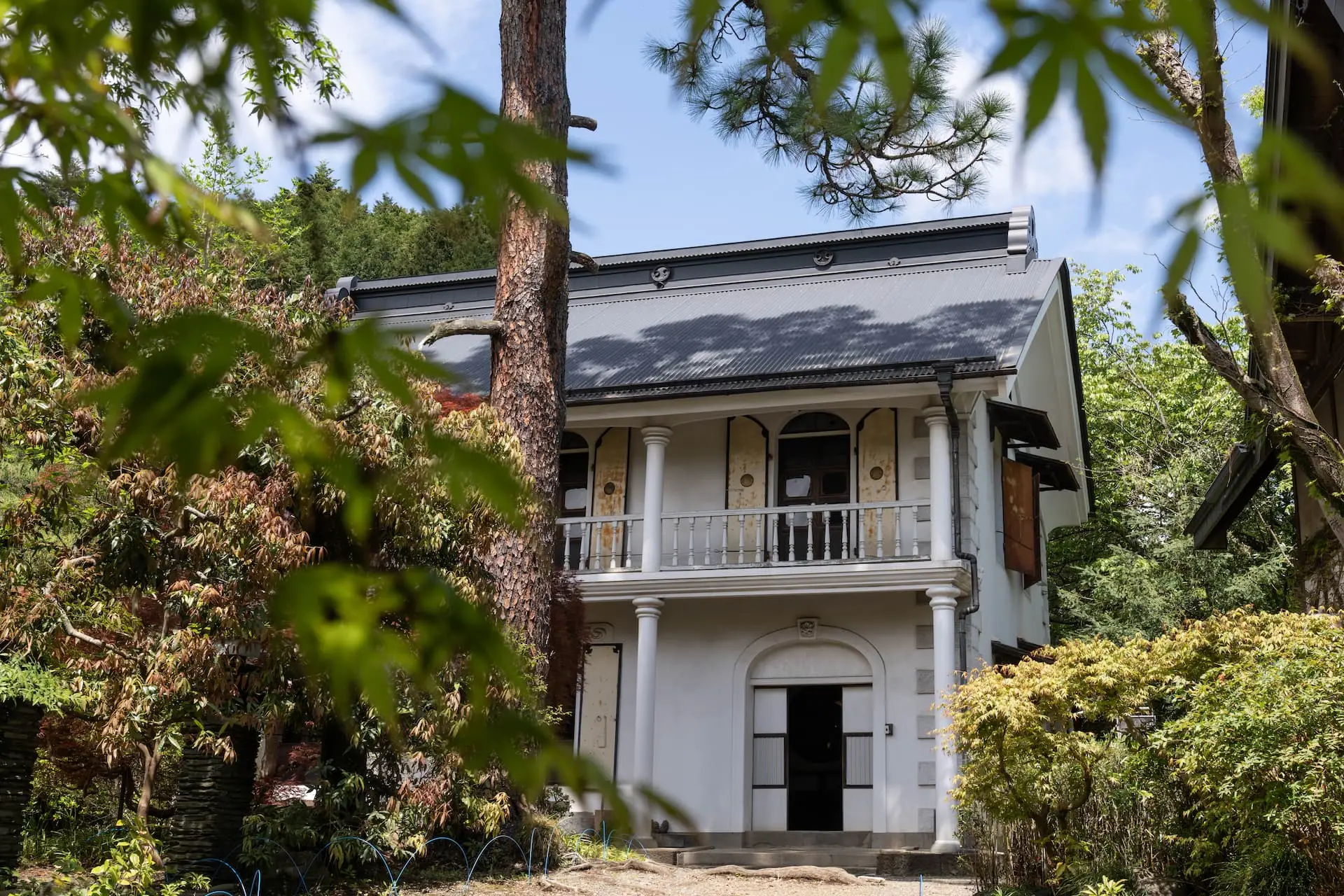
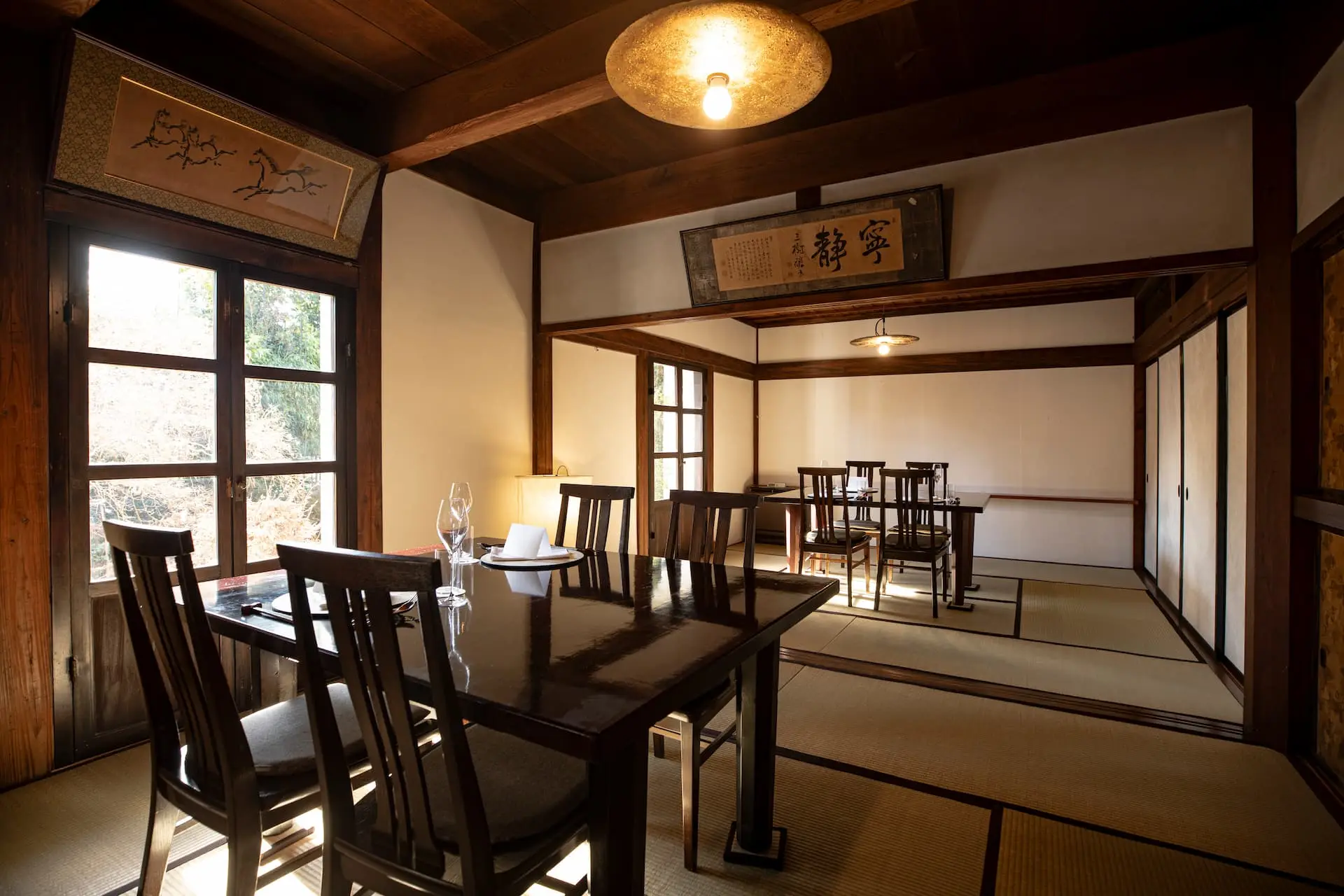
L'Arbre inhabits the historically charismatic Kozukue-House, a Tangible Cultural Asset of Tokyo renovated from an original property built around 1875 at the mouth of the Akigawa Valley. Its distinctive architecture, featuring a Western-style exterior and Japanese-style interior, reflects the area's once-thriving forestry industry. In one room, an open kitchen counter creates a modern French dining space, illuminated by lamps shaded with local Gundo washi paper.
L'Arbre is a restaurant serving authentic French cuisine using native Japanese ingredients. Its name refers to the tree (arbre in French) along with the timber and the soil, rooted in its natural and historical environment in the Akiruno region. Local produce includes prime Akigawa Beef, wild Ayu fish (sweetfish) from Tokyo's natural water, Tokyo Shamo chicken, Norabō-na (a traditional Japanese leafy green) and many other native mountain vegetables.
Owner and chef Naoki Matsuo was born and raised in neighboring Nishitama. He spent 21 years at the Imperial Hotel, during which time he also refined his French culinary skills at the Four Seasons Hotel George V in Paris, before returning to his homeland to celebrate the area's natural blessings.
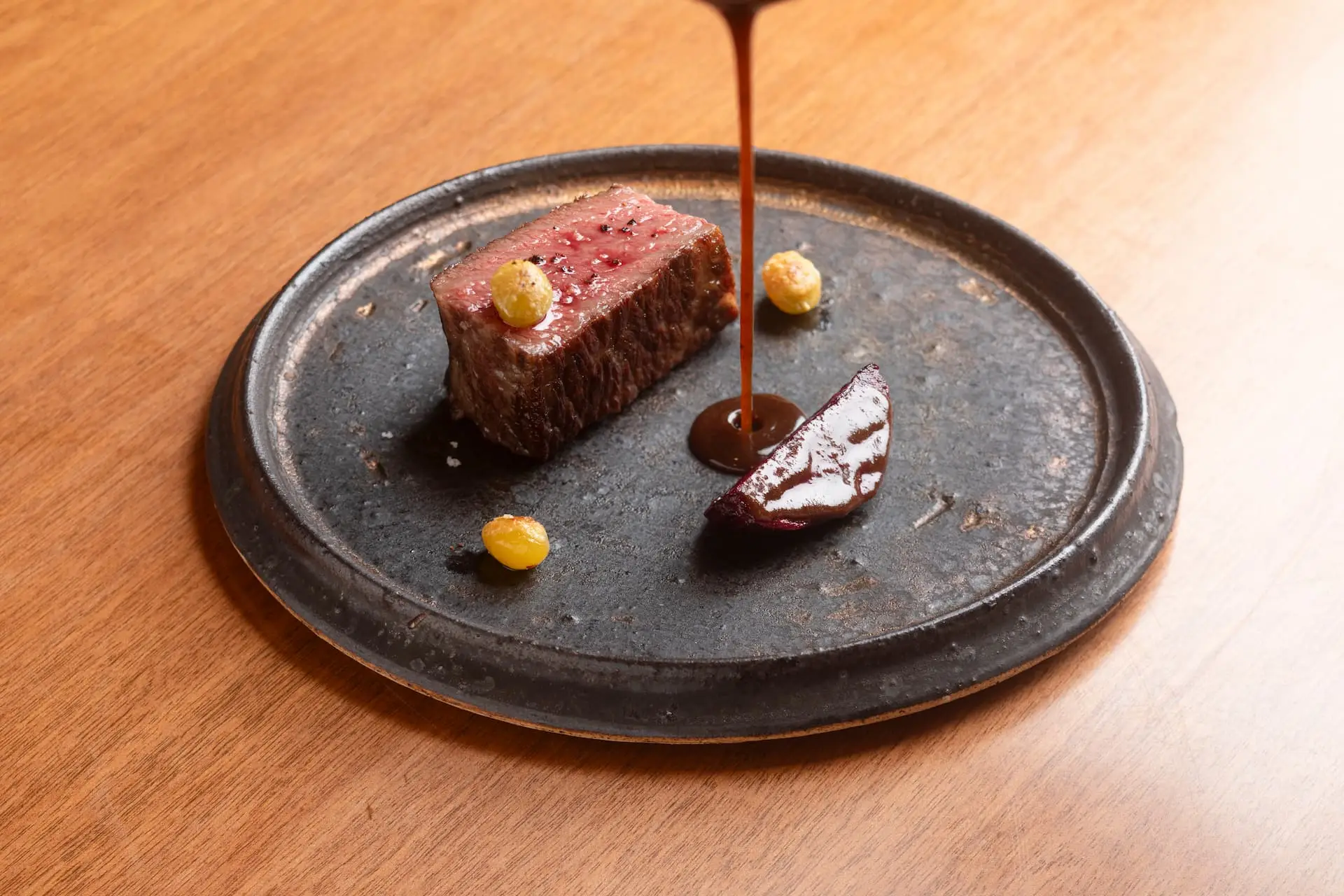
"We forage wild mountain plants within 30 minutes of the restaurant," says Matsuo. "Each ingredient is treated uniquely — bracken dressed with nasturtium and sesame purée, shidoke (a wild mountain plant) combined with praline and cacao nib miso for layered bitterness, mountain udo marinated and fried with spices."
"From June to October, we feature ayu sourced directly from local fishermen. Each year, we make our own ayu fish sauce, which is brushed onto the fish before drying overnight, and served with homemade ayu ponzu and shamo liver sauce. Our award-winning Akigawa ayu dish is served on a plate by artist Kayumi Ishizuka, designed to evoke the flow of a river and the movement of wind."
As a farmer, Matsuo also cultivates the fields and tends his own environmentally friendly vegetable, fruit, and herb garden. L'Arbre channels hyperlocal culture and crafts, while offering guests the native chef's distinctive fusion of classic French cuisine that is firmly rooted in the Akigawa Valley.
03. Fushi
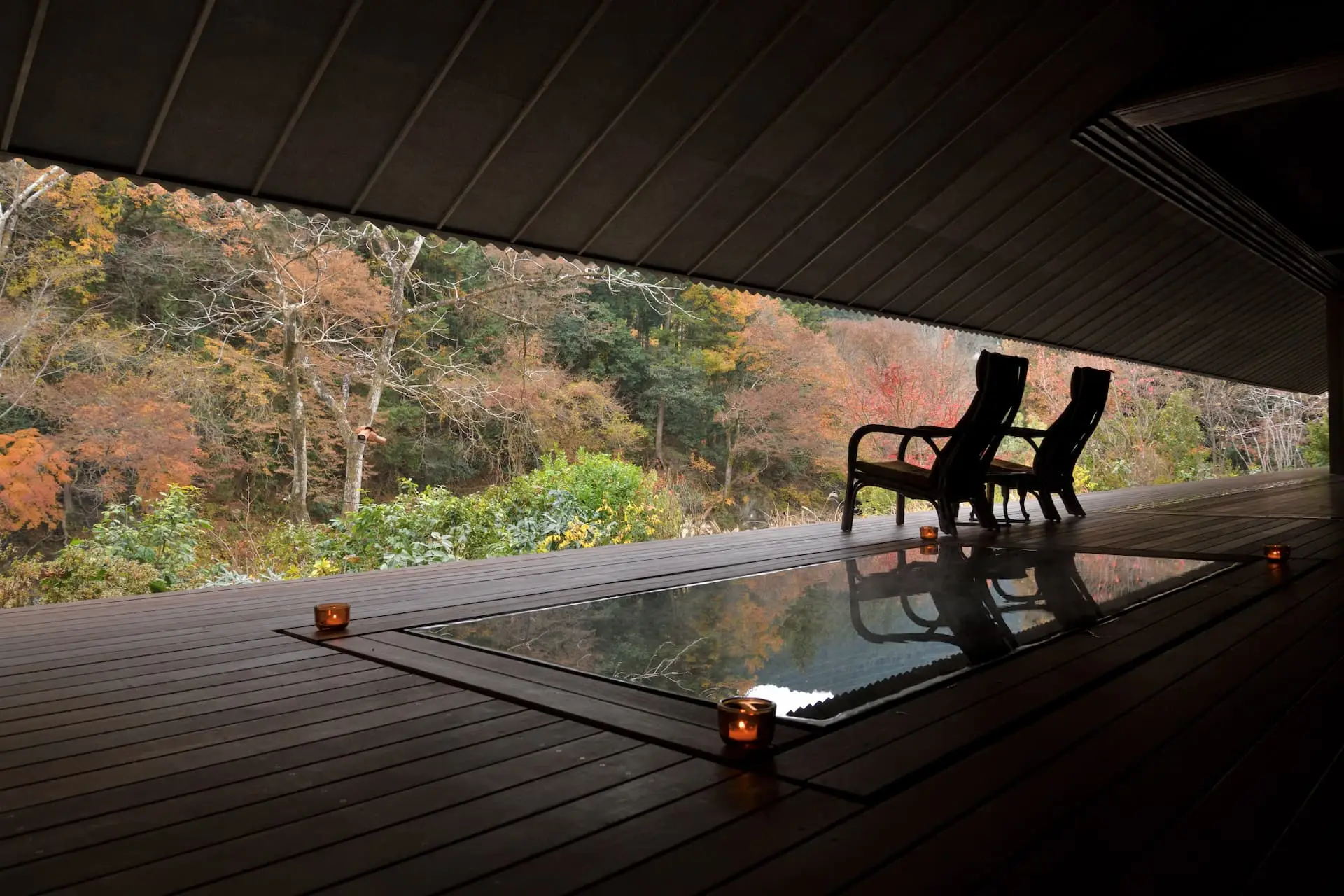
Also situated in the Akigawa Valley, Fushi focuses first and foremost on serenity in body and mind, offering a secluded oasis for "quiet luxury in harmony with nature." The name was inspired by Fushikaden (The Flowering Spirit) written by Zeami, who perfected the dramatic art of noh in the 14th century.
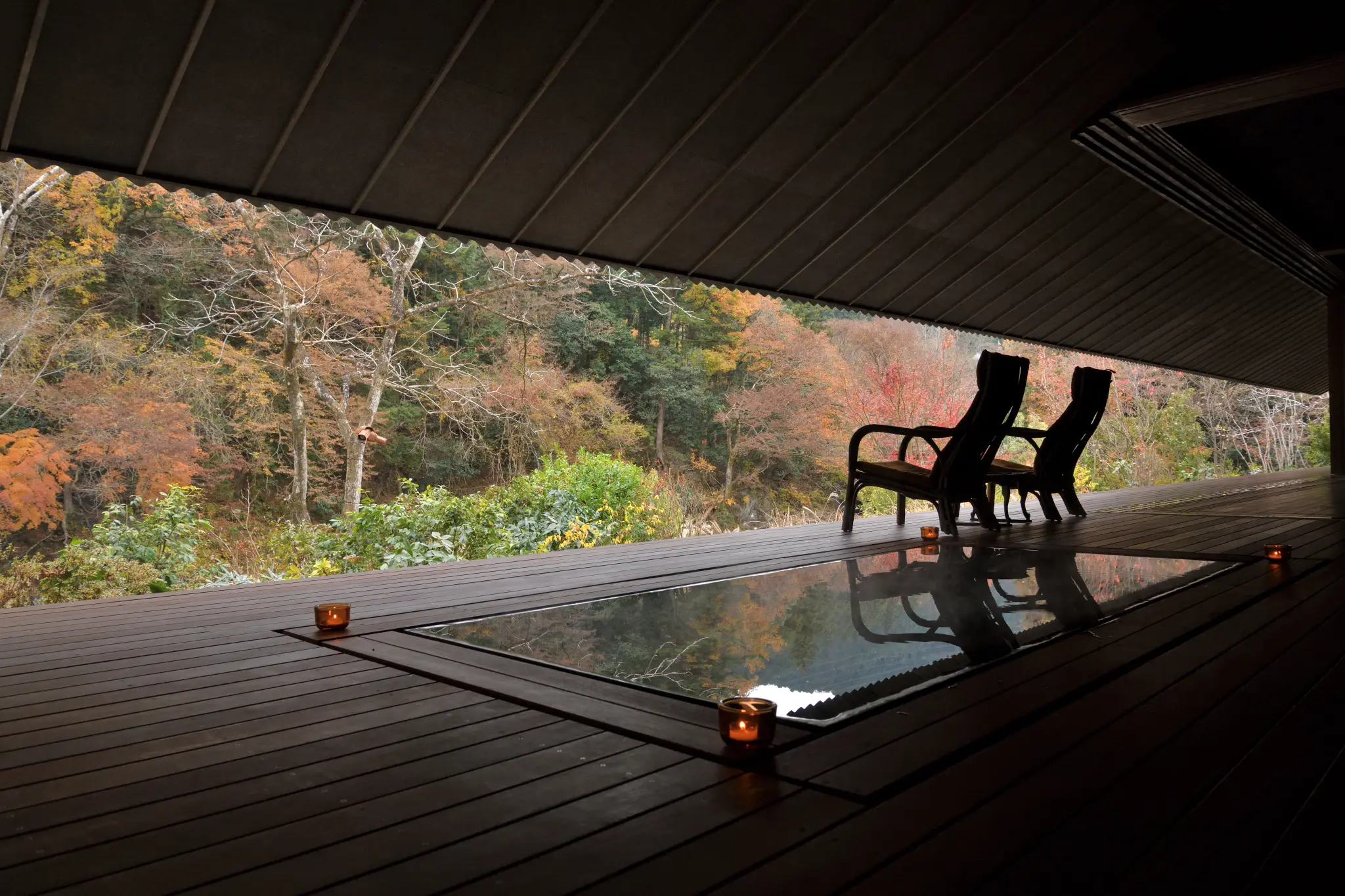
This exclusive private villa minimizes windows, walls, and columns to blur the boundary between inside and outside, borrowing the scenery of the valley, clear stream, and giant rocks as its backdrop. Seasonal foliage of the Iwase Gorge is framed under 23-meter-long eaves and reflected on an open patio, illuminating the interior with soft natural light. Designed by world-renowned architect Takaharu Tezuka, Fushi was awarded the 2024 Small Project of the Year at the World Architecture Festival.
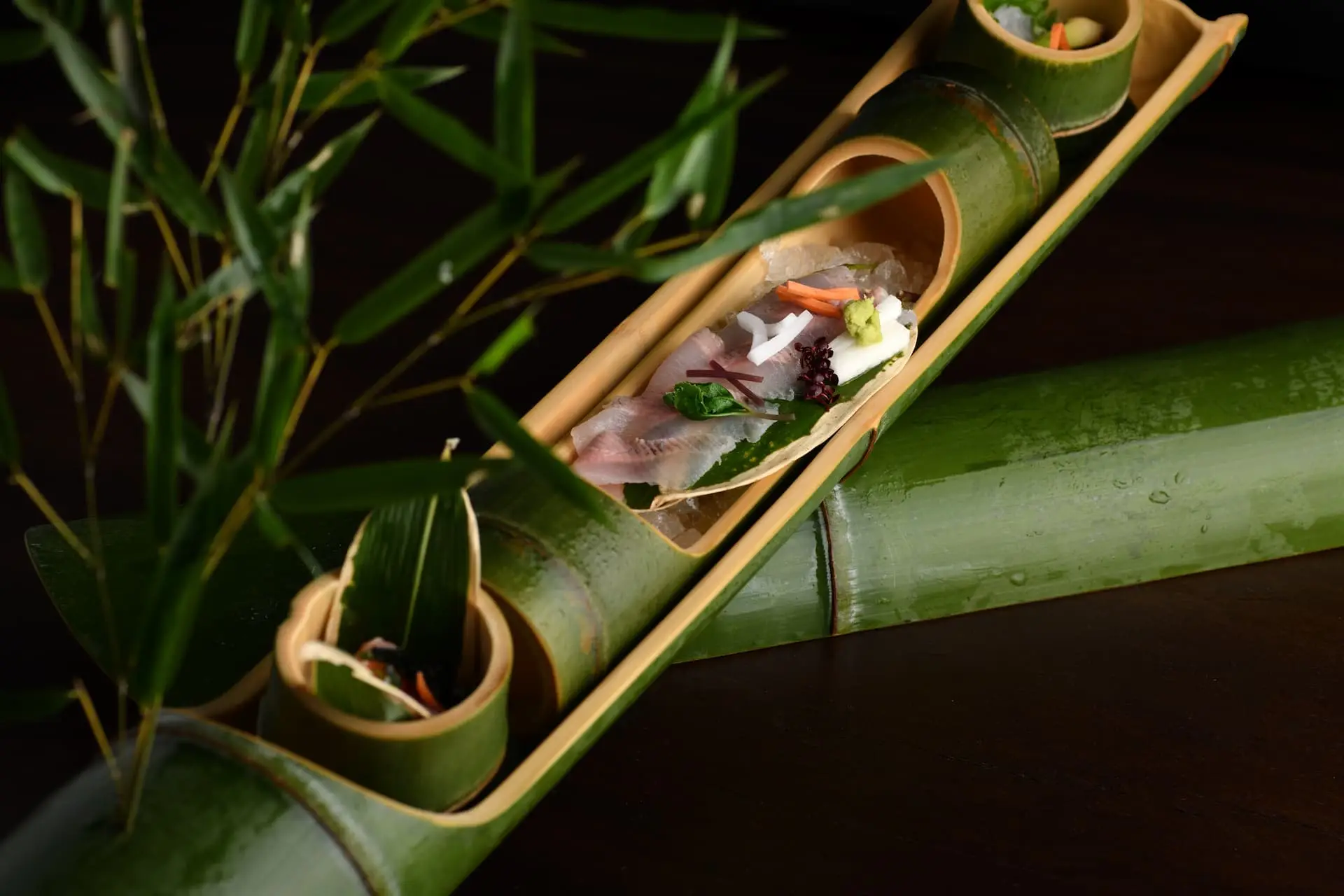
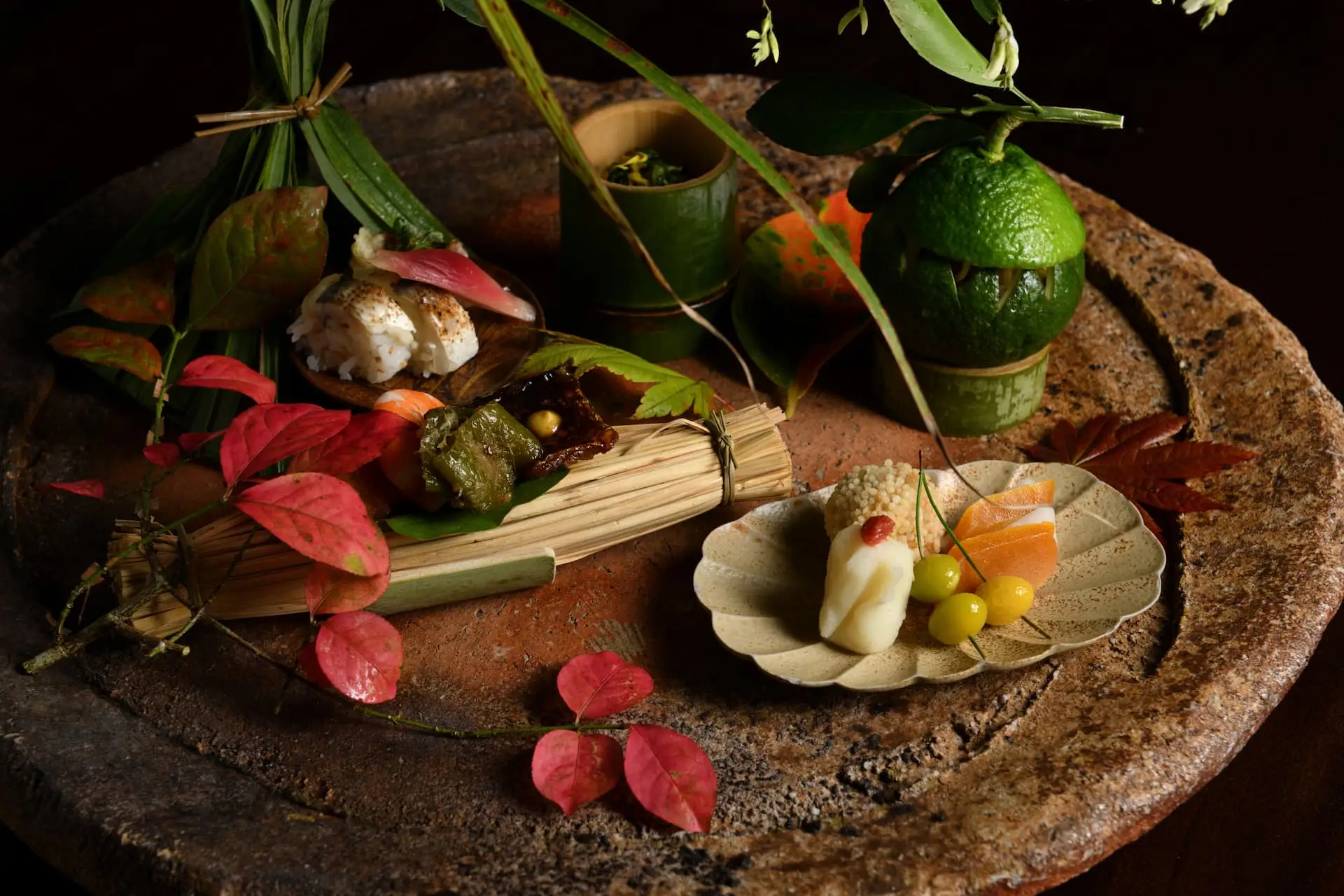
Savor seasonal Satoyama mountain village cuisine, where bamboo cut from the bamboo forest is used for some of the vessels. During the ayu fishing season, you may even witness a traditional fisherman catch ayu right before your eyes which is an unforgettable moment that connects culinary artistry with centuries of local tradition.
Witness a noh dance performed in the lounge which serves as a stage, a standing tea ceremony, or a Zen meditation experience led by a Zen master. Or simply enjoy the luxury of doing absolutely nothing. Fushi offers you front-row seats to Japan's famously changing seasons, with 230 square meters of space all to yourself.
KEYWORD