







MICHELIN GREEN-STARRED GASTRONOMY
Food and global environmental conservation are closely linked, from the production of ingredients to consumption, cooking methods, and restaurant management policies. The Michelin Green Star highlights chefs and restaurants that actively promote sustainable gastronomy, and ultimately, a more sustainable society. Since the symbolic Green Star was introduced to the Japanese Michelin Guide in 2020, each of these three Tokyo restaurants has earned the accolade in its own distinct way.


February 2026
01. TROIS VISAGES
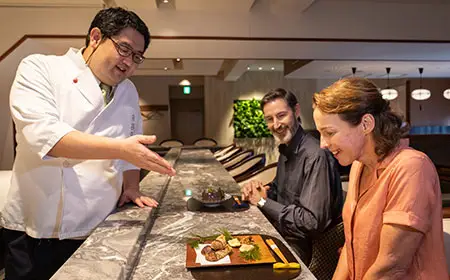
The Ginza restaurant's French name refers to the "three faces" of the relationship at the heart of its cuisine: food producers, kitchen staff, restaurant guests. Chef Ryohei Kuninaga positions himself as the modest middleman between diners at TROIS VISAGES and organic farms in Chiba and Saitama prefectures, and by extension, the terroir, the forest and our natural environment.
Twice a month, Kuninaga travels to Naeme Farm in Kamogawa and Sunaga Farm in Konosu to get hands-on in the vegetable fields, connect with local producers, and feel the changing seasons. This direct contact with the people, the ingredients, and the elements gives him inspiration to create new dishes, which are informed by his unwavering commitment to reduce food waste.
One of TROIS VISAGES's most striking signature dishes is Kiwami Enoki Sausage: 85% "extreme enoki" — sweet, crunchy mushrooms with a strong mineral flavor grown in deep sea water in Kochi — plus 15% pork to bind it together. The thick special sauce is made by simmering, for two days, parts of vegetables that are usually discarded, such as stems and skins. Because the vegetables are always fresh, the taste of the sauce varies with the seasons, from the bitterness of wild vegetables in spring to the rich sweetness of root vegetables in winter.
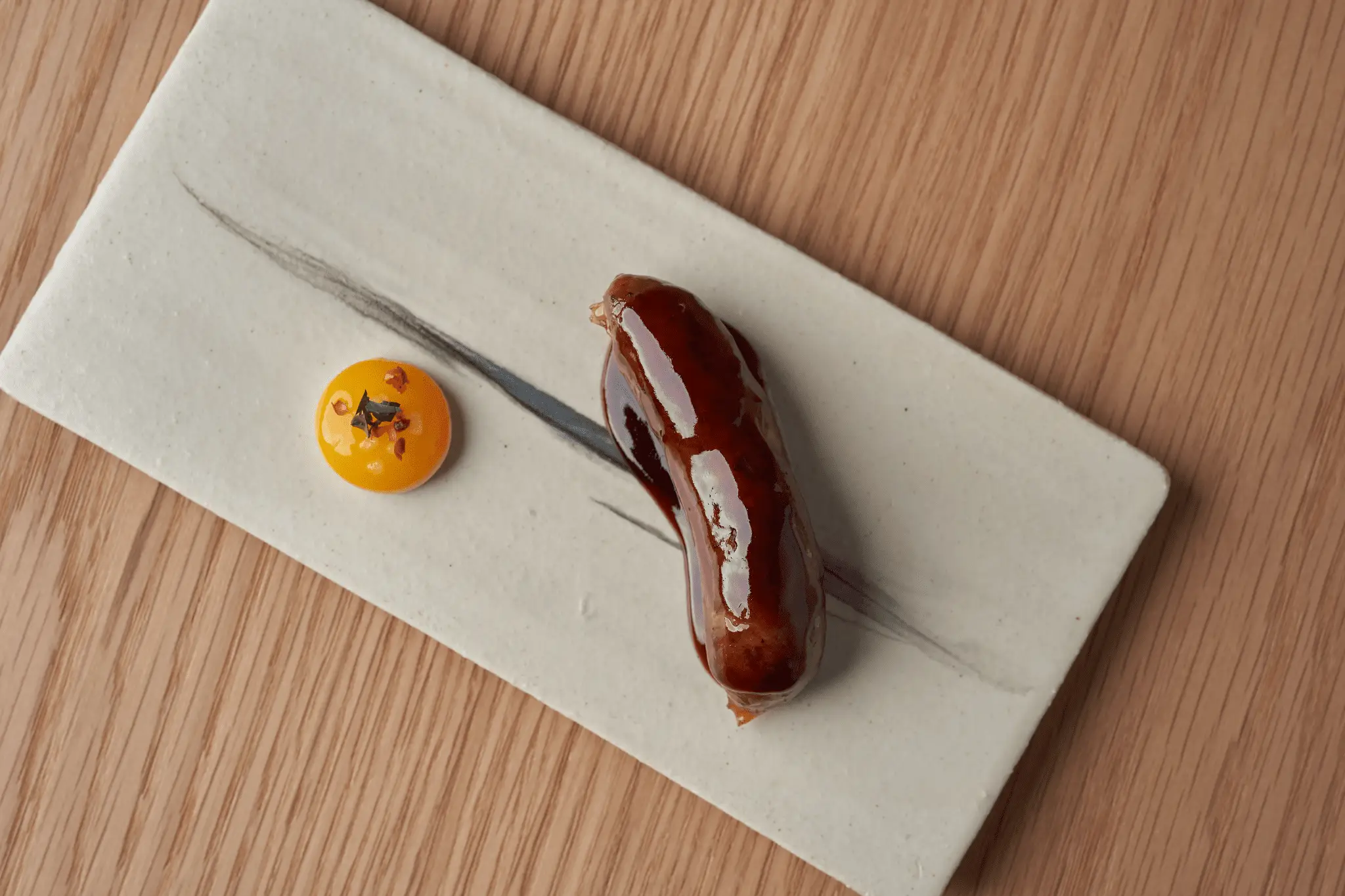
As the chef behind TROIS VISAGES's first Green Star, Kuninaga remains true to his culinary vision: "Spotlight overlooked ingredients, find new ways to use them, and cook them up into delicious dishes."
02. LATURE
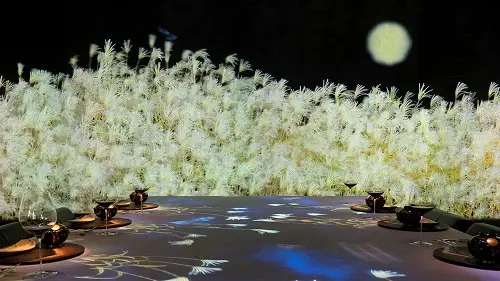
Situated in Shibuya, LATURE's interior invokes forests and mountains, complete with deadwood swags. The name of the restaurant is a coined word meaning "nature's droplets", from the French words "larme" (droplets) and "nature." The droplets could symbolize their naturally interconnected ecosystem that nourishes the cycle of life. Or it might defer to the precious lives of wild animals lost to hunting and culling, approximately 90% of which are simply discarded and wasted.
Chef Takuto Murota takes this preciousness of life very seriously. LATURE's theme is human coexistence in symbiosis with nature, and Murota's mission is "to sublimate the precious lives of wild game into our cuisine, with no waste. We communicate sustainability through our cuisine."
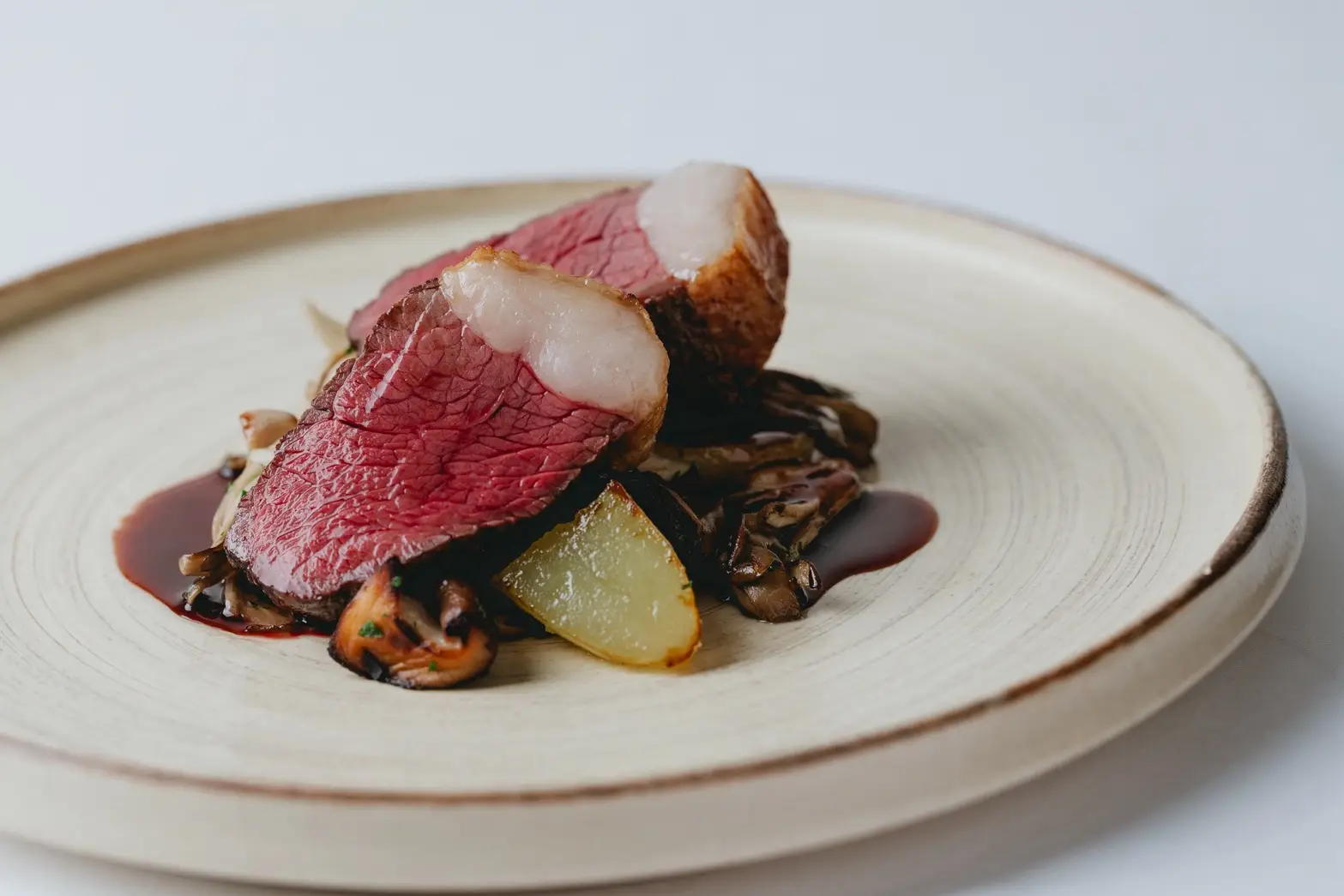
LATURE grows its own vegetables on two organic farms in Chiba and Ibaraki prefectures. In addition to forging personal connections with local food producers across Japan, Murota himself hunts in the mountains and has gradually mastered the delicate process of aging game meat. He also challenges himself to extract broth from bones and organs, cutting both meat and tendons without wasting any meat. Thanks to all these efforts, Murota captures the vitality of nature in every one of his dishes.
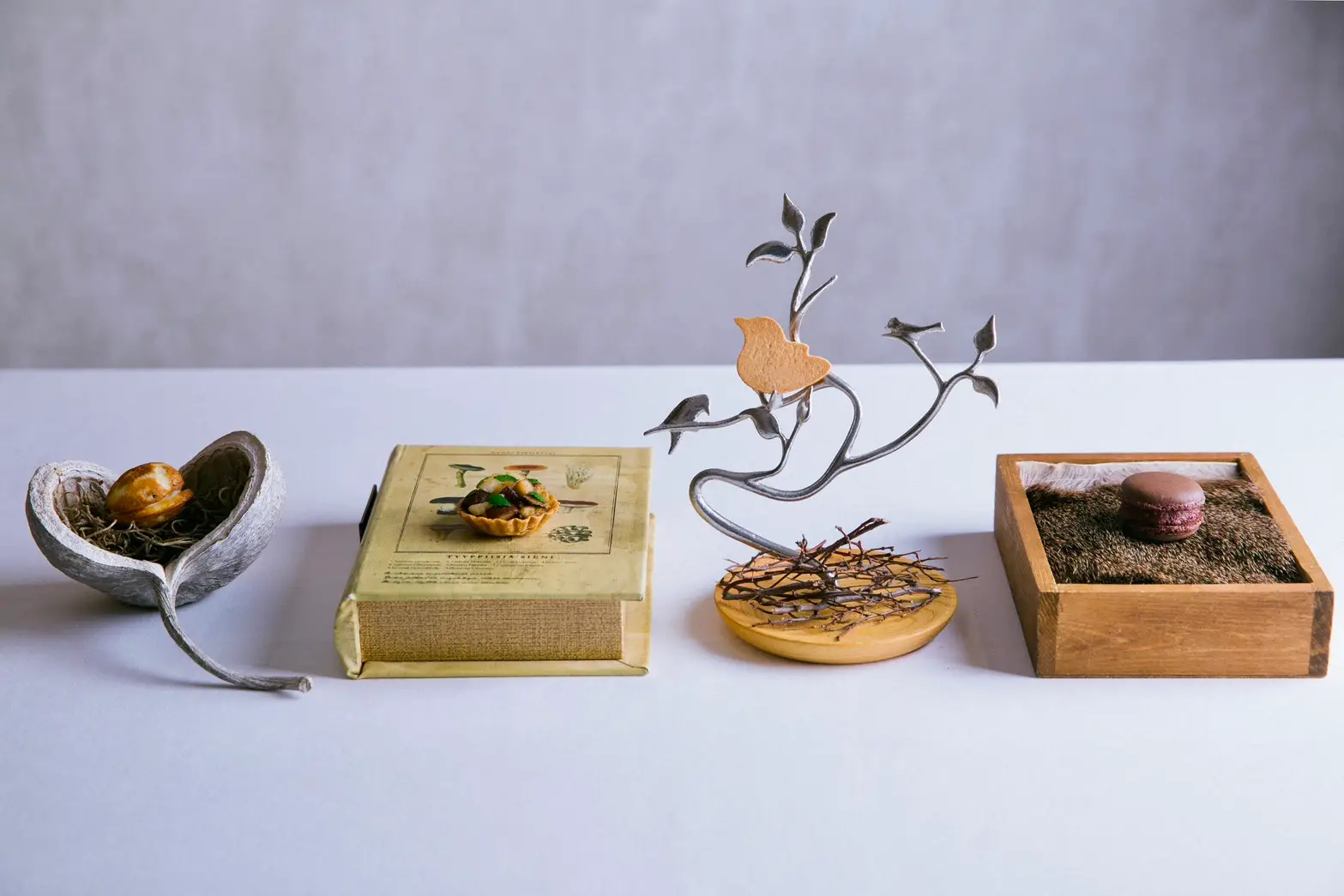
LATURE's signature dish is the Blood Macaron, a savory amuse-bouche that resembles the French sweet, but made with deer blood instead of egg whites. The two foamy halves sandwich a filling of boudin noir, also made with deer blood, and the whole is served on a plate of furry deerskin.
While countless wild animals are killed to protect agricultural crops or save human lives, the very reason the animals have become a threat is that humans are increasingly destroying their habitat and food resources. This was especially salient in 2025, when Japan saw a record number of bear attacks on people in urban areas.
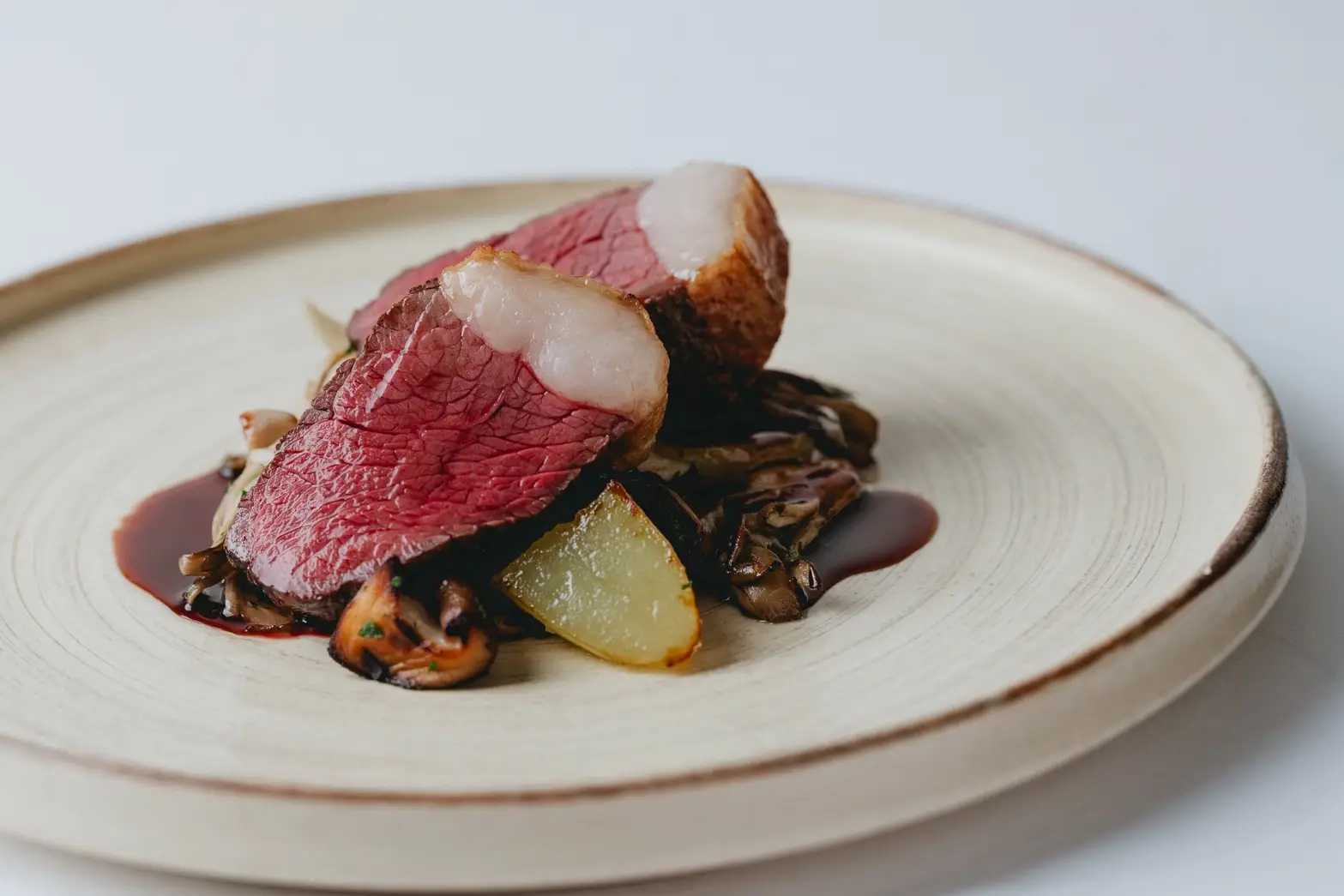
In response to this "distorted relationship between humans and nature," Murota makes a point of including a bear-meat dish in his course menus. And he cooks using every part of the bear — meat, fat, bones, skin — gastronomy's code of honor to the bear's life through consumption without waste.
03. CRONY
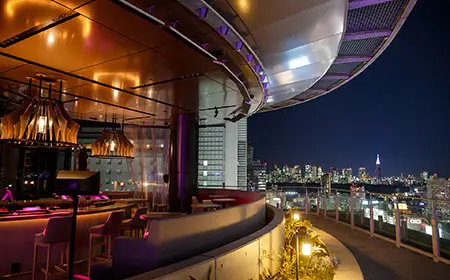
Established in Higashiazabu in 2016, CRONY was named to reflect the lifelong friendship between its two founders, chef Michihiro Haruta and sommelier Kazutaka Ozawa, as well as their wish to foster an enduring restaurant culture together with the producers, purveyors, and guests who support it.
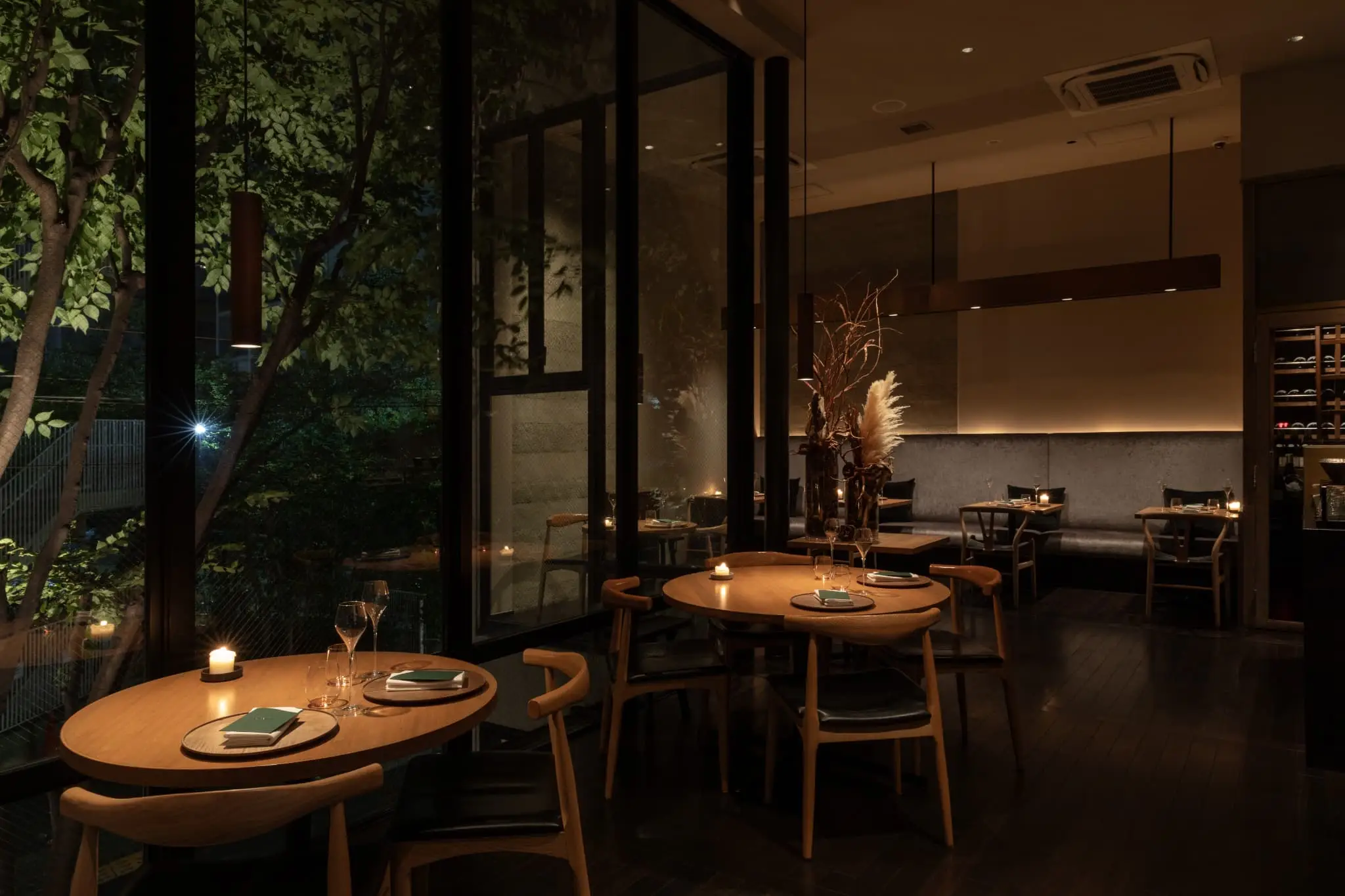
The cuisine is rooted in French traditions, enriched with influences from North America and the globally trending Nordic style. Drawing inspiration from modern Nordic cuisine that is redefining the international dining scene, the dishes offer innovative and refined flavors.
Backed by Chef Haruta's cutting-edge techniques and assured sense of aesthetics, each playful creation is presented with striking, conversation-worthy flair—an approach that truly sets this restaurant apart from the rest.
Chef Haruta uses carefully selected salts such as Tosa no Shiomaru, naturally harvested through a method that produces no carbon dioxide emissions, as well as sun-dried sea salt from Guérande in France. He also makes a conscious effort to incorporate honey into desserts and other dishes to support beekeepers and pollinating bees. In addition, he prioritizes sustainably sourced seafood whenever possible, adhering to a strict policy of avoiding juvenile fish and species considered vulnerable in terms of resource sustainability.
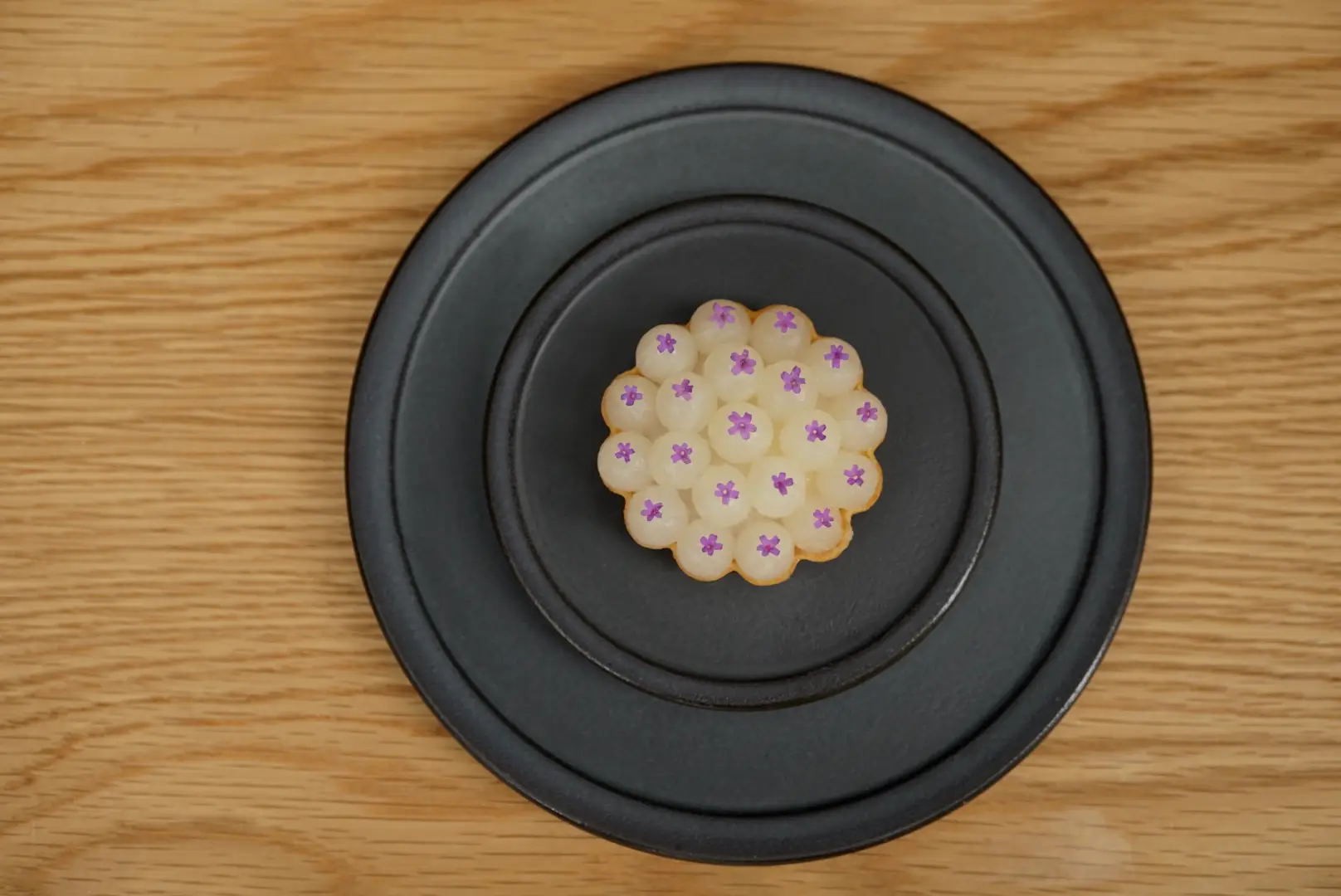
Crony prioritizes fair trade products, purchases non-standard vegetables to prevent food waste, and even smokes meat using discarded wood chips.
KEYWORD